




Pull to refresh
Logo
Michigan attorney general sues Blue Cross Blue Shield over alleged monopoly

Michigan attorney general sues Blue Cross Blue Shield over alleged monopoly

Rule Changes Detroit, MI local

State lawsuit targets insurer controlling 65% of Michigan's health insurance market, alleging anti-competitive contracting and premium hikes

Yesterday: Nessel files antitrust lawsuit against BCBS of Michigan

Overview

Updated 1 hour ago

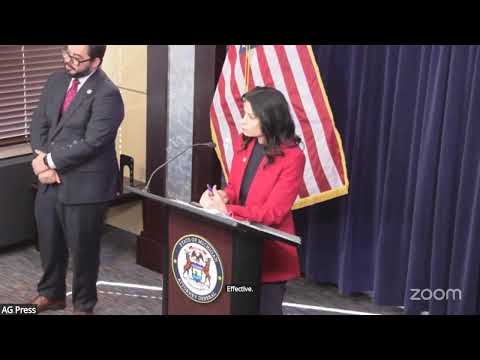
Michigan's attorney general sued Blue Cross Blue Shield of Michigan on Thursday, accusing the insurer that controls 65% of the state's health insurance market of running an illegal monopoly. Dana Nessel's lawsuit, filed in federal court in Detroit, alleges the company used anti-competitive agreements with other Blue Cross entities to lock up market share and keep down what it pays doctors and hospitals.

The outcome could reshape health insurance costs for millions of Michigan residents. BCBS covers roughly two-thirds of commercially insured patients in the state; Nessel says that dominance lets it raise premiums while paying providers below the cost of care. The company said it was blindsided and that competition exists throughout the state.

Why it matters

If Nessel wins, Michigan's largest insurer could face forced reforms and damages, affecting premiums and provider payments for millions of residents.

Monday: what changed in Detroit, MI

One short email a week with the openings, closings, permits and council votes we covered. Free. Unsubscribe in one click.

Questions about this story

Free account needed to ask — your question is kept and asked for you right after sign-up. Answers are public.

No questions yet — be the first to ask.

Key Indicators

65%
BCBS share of Michigan health insurance market
Controls two-thirds of all health insurance products in the state
79%
Share of Michigan PPO market
Dominant in the preferred provider organization market
23.3%–24%
2026 individual premium increases
Annual increases BCBS filed for individual plan members in 2026
11.2%
2026 small group premium increase
Annual increase BCBS filed for small group market in 2026

Voices

Curated perspectives — historical figures and your fellow readers.

Ever wondered what historical figures would say about today's headlines?

Sign up to generate historical perspectives on this story.

People Involved

Organizations Involved

Timeline

2013 October 2026

3 events Latest: Yesterday
  1. Michigan converts BCBS to mutual insurer

    Regulatory

    Michigan converts BCBS of Michigan from nonprofit to mutual insurer, ending special legislative status.

Scenarios

1

Blue Cross settles with Michigan, pays damages

Possible Resolves by End of 2028

Discussed by: Analysts citing the national BCBS antitrust settlement as a precedent

Following the nationwide class action against the BCBS system that settled for $2.67 billion, this case could follow a similar path. BCBS of Michigan would pay damages to the state (potentially hundreds of millions) and agree to change contracting practices. A settlement would avoid a lengthy trial and allow BCBS to maintain its market position while addressing the state's concerns.

2

Court rules for the state, BCBS faces remedies

Unlikely Resolves by Q2 2030

Discussed by: Legal analysts noting the strength of market-share evidence

A judge denies BCBS's motion to dismiss, the case proceeds to trial, and the court finds BCBS violated both the Sherman Act and state antitrust law. Remedies could include damages, disgorgement of profits, and an injunction barring the challenged contracting practices. This is a long shot—antitrust cases against dominant firms rarely go to a full finding of liability—but the 65% market share and low reimbursement rates could support the state's case.

3

BCBS wins dismissal or summary judgment

Possible Resolves by End of 2029

Discussed by: BCBS's statement that competition exists throughout the state

BCBS argues the state lacks standing or that the market is competitive, citing the strong local and national insurers it competes with. The court could grant a motion to dismiss early in the case, or grant summary judgment before trial. BCBS has nearly 90 years of market presence and could argue its market share stems from quality and brand loyalty, not anti-competitive conduct.

Historical Context

3 moments from history that rhyme with this story — and how they unfolded.

November 2022

National Blue Cross Blue Shield antitrust settlement (2022)

In a decade-long class action, health care providers accused the Blue Cross Blue Shield Association and its member plans of dividing territories and suppressing competition through the 'Blue Card' system. The case settled for $2.67 billion, the largest antitrust settlement in health care history.

Then

BCBS plans paid $2.67 billion to providers; the association agreed to some conduct changes.

Now

Set a precedent that the BCBS system's exclusive territorial structure is vulnerable to antitrust challenge, and likely emboldened state regulators.

Why this matters now

Nessel's Michigan lawsuit targets the same territorial-allocation conspiracy at the state level, arguing BCBS of Michigan used its exclusive 'Blue Mark' agreements to lock up market share.

May 1998 - November 2001

United States v. Microsoft (1998-2001)

The U.S. Department of Justice and 20 states sued Microsoft for maintaining a monopoly in PC operating systems through anti-competitive practices like tying Internet Explorer to Windows. The district court ordered a breakup, but the D.C. Circuit narrowed the ruling and a settlement imposed conduct remedies.

Then

Microsoft agreed to share APIs and change licensing practices, avoiding the threatened breakup.

Now

Showed that antitrust remedies against dominant tech firms often end in conduct restrictions rather than breakups, and that such cases can take years.

Why this matters now

Like Microsoft, BCBS's dominance could lead to conduct remedies (contracting changes) rather than a structural breakup, and the case could drag on for years.

February 2017

United States v. Anthem (2017)

The DOJ sued to block Anthem's $54 billion acquisition of Cigna, arguing it would concentrate the market for large-group health insurance. Federal Judge John Bates ruled against the merger in 2017, and the deal was abandoned with Anthem paying Cigna a $1.85 billion breakup fee.

Then

Anthem and Cigna abandoned the merger, paying a $1.85 billion breakup fee.

Now

Signaled that federal courts are willing to block health insurance mergers on antitrust grounds, and encouraged state-level antitrust scrutiny.

Why this matters now

Shows antitrust claims against health insurers can succeed in court, though the Michigan case is about conduct rather than a merger.

Sources

(2)