

Dakota Access Pipeline and Standing Rock (2016-2017)
April 2016 - February 2017What Happened
The Standing Rock Sioux Tribe and thousands of allied activists camped at the Cannonball River in North Dakota to block construction of the 1,172-mile Dakota Access Pipeline beneath Lake Oahe, the tribe's water source. The Obama administration paused the federal easement in December 2016; the Trump administration reversed course weeks later and the pipeline began operating in June 2017.
Outcome
Pipeline went into service over tribal objections after federal authority shifted between administrations. Standing Rock's legal challenges continued in federal court for years afterward.
Established the modern template for tribal-rights pipeline opposition and showed how federal preemption can override both state and tribal objections. Also demonstrated how project economics can survive years of delay if a federal forum is willing to keep the line open.
Why It's Relevant Today
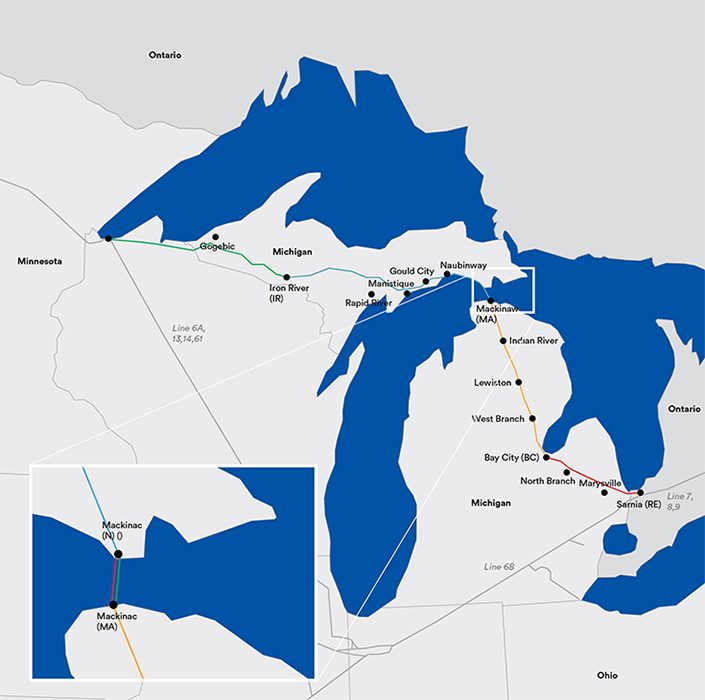
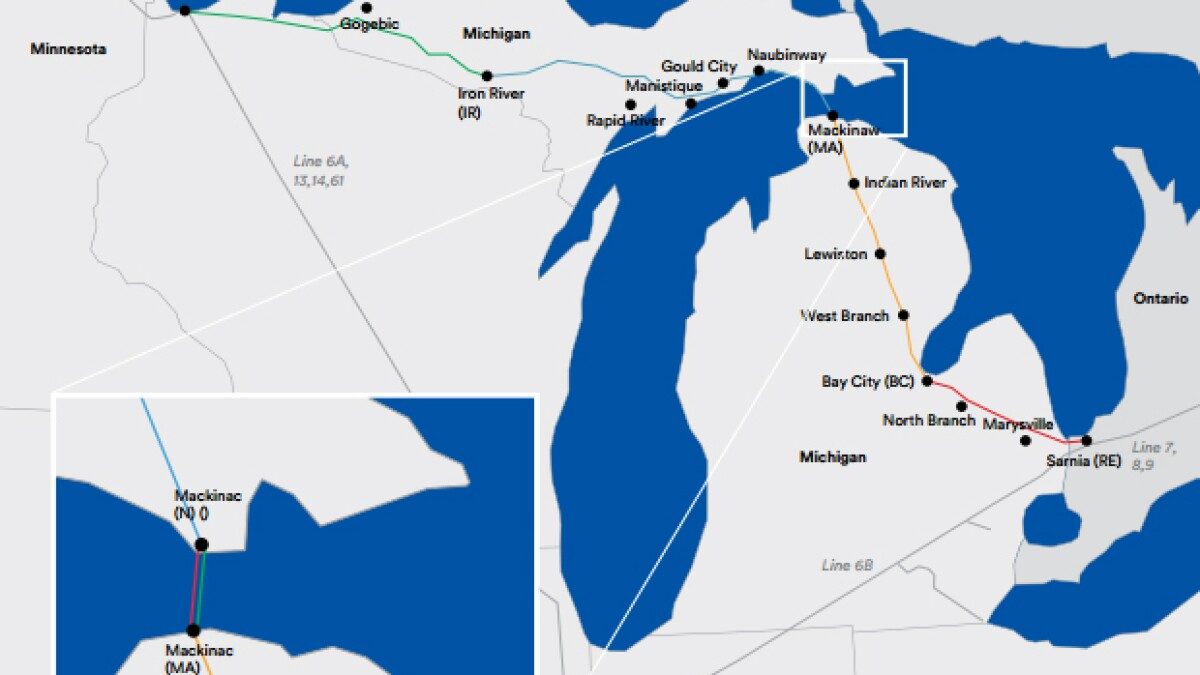
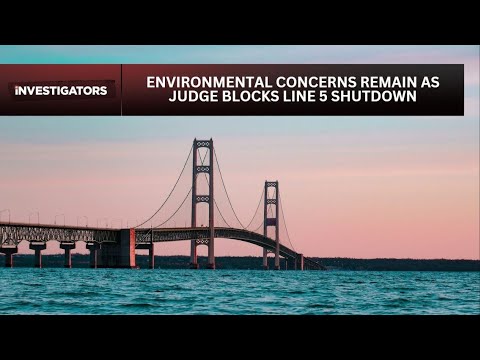
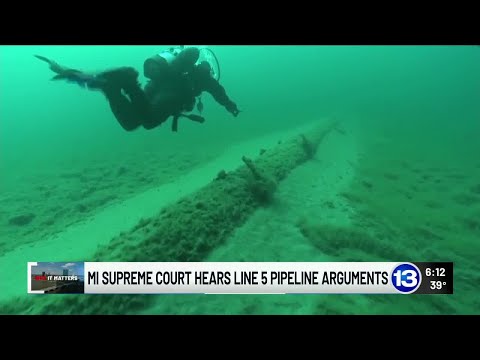
Like Line 5, Dakota Access turned on whether federal jurisdiction would override local and tribal sovereignty claims. Both fights show that for interstate pipelines, the choice of courtroom often determines the outcome before the merits are even argued.
