
Detroit City Council weighs emergency demolition of vacant Dakota house
Built WorldContract would send DMC Consultants to raze 118 W Dakota with 2023 bond funds
July 27th, 2026: Contract filed with full councilNew here? Follow stories to track developments over time. Create a free account to get updates when stories you care about change.
Overview
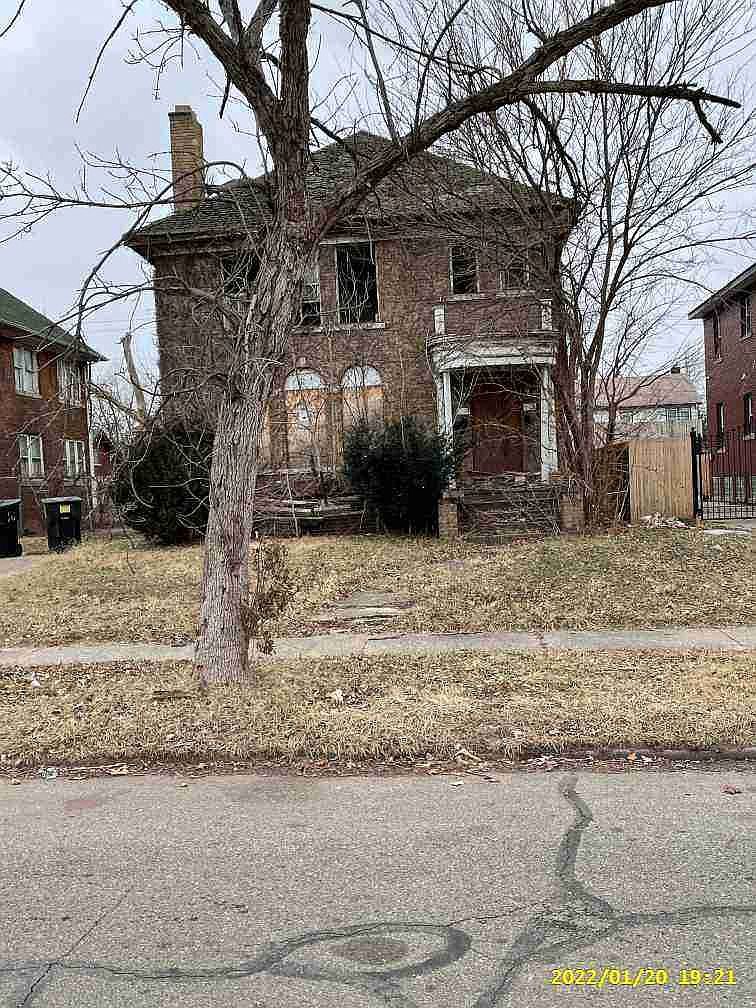
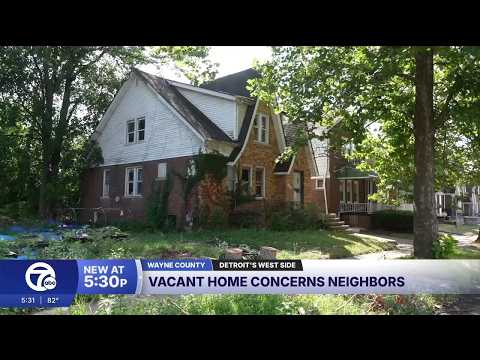
Updated 1 hour agoA vacant house on Detroit's west side has sat empty long enough that the city wants it gone. Detroit's procurement office filed an emergency demolition contract with the City Council on July 27, asking approval to pay DMC Consultants Inc. $28,350 to tear down the structure at 118 W Dakota.
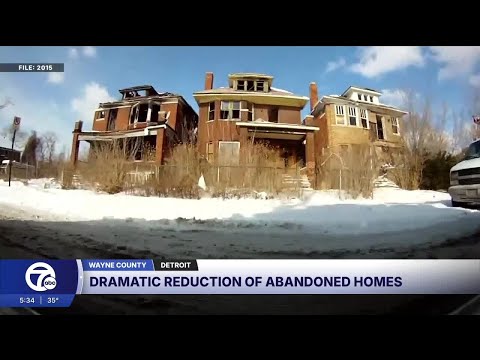
The money comes entirely from the $250 million demolition bond voters approved in 2023. Federal blight-removal funds ended years ago, and this bond is Detroit's main tool for clearing the abandoned homes that still dot its neighborhoods.
Why it matters
Each emergency demolition contract tests whether Detroit's bond-funded blight removal is moving faster than its vacant housing stock decays.
Questions about this story
Free account needed to ask — your question is kept and asked for you right after sign-up. Answers are public.
No questions yet — be the first to ask.
Key Indicators
Voices
Curated perspectives — historical figures and your fellow readers.
Play
Exploring all sides of a story is often best achieved with Play.
Higher or Lower
A number from this story, against one from elsewhere in the news — guess which is bigger, then keep the chain going. 5 rounds, 3 strikes; a miss costs a strike and resets your streak.
Keyboard: ↓/L lower · ↑/H higher
0 points — sign up to put that on the leaderboard.
Connections
Sixteen names from the news. Find the four hidden groups of four. Four mistakes max.
Sign up to keep a daily streak — a new puzzle lands every day.
Exit debate?
Your progress in this debate will be lost.
- 1 Two AI personas square off on this story.
- 2 You predict who'll win each round — correct picks earn XP.
- 3 One crossfire question is yours to fire. Pick it carefully.
Couldn't generate a topic
Select Your Champions
Choose one persona for each side of the debate
DEBATE TOPIC
Choose personas with different perspectives for a more dynamic debate.
Select debater for this side:
No debate personas available right now.
Select debater for this side:
No debate personas available right now.
Who's Got This Round?
Make your prediction before the referee scores
The referee scores both sides on
Round Results
Set the Crossfire
Pick the question both personas must answer in the final round
Debate Oracle! You called every round!
Sharp Instincts! You know your debaters!
The Coin Flip Strategist! Perfectly balanced!
The Contrarian! Bold predictions!
Inverse Genius! Try betting the opposite next time!
XP Breakdown
Prediction History
People Involved
Organizations Involved
Nine-member body that approves city contracts, including demolitions.
Detroit's central purchasing office, which manages bids and contract filings.
Selected to demolish the vacant house for $28,350.
Public authority holding tax-foreclosed and abandoned properties.
Timeline
November 2023 July 2026
-
Contract filed with full council
Latest Committee actionPublic Health and Safety Committee reported the $28,350 contract out, requesting council approval.
-
Demolition contract brought back as directed
ProceduralThe 118 W Dakota emergency contract was returned to the procurement track per earlier direction.
-
City seeks quotes for nearby demolition
ProcurementDetroit issued a request for quote for emergency demolition of 21 W Dakota.
-
118 W Dakota listed for sale
ListingDetroit Land Bank put the vacant house up for auction under its Own It Now program.
-
Detroit voters approve $250M demolition bond
ElectionVoters passed Proposal D, funding city demolition work after federal blight funds ended.
Historical Context
3 moments from history that rhyme with this story — and how they unfolded.
Youngstown, Ohio's planned shrinkage (2005-2010)
Youngstown adopted a plan to shrink the city deliberately, demolishing hundreds of vacant houses rather than maintaining them for a shrinking population.
The city cut maintenance costs but also lost housing stock and tax base.
Youngstown became a model for cities managing population decline through demolition.
Detroit's demolition bond makes the same bet: that removing vacant housing is better than leaving it to decay.
New Orleans post-Katrina demolition debates (2006-2011)
After the storm, New Orleans used federal recovery money to tear down thousands of damaged homes, often over residents' objections. City officials argued demolition was faster and cheaper than renovation.
Some neighborhoods never filled back in, while organized residents in other areas saved their homes.
The experience became a reference point for weighing demolition against renovation in blighted cities.
Detroit faces the same choice at properties like 118 W Dakota: tear down or try to save.
Detroit's Hardest Hit Fund demolitions (2014-2020)
Michigan spent $548 million in federal TARP money tearing down blighted homes, most of them in Detroit. The city demolished roughly 13,000 houses, building the demolition operations this contract depends on.
Thousands of vacant lots were cleared, but the program left substantial federal funds unspent when it wound down.
The infrastructure and contractor network the Hardest Hit Fund built now handle Detroit's bond-funded demolitions.
This contract continues the demolition work the Hardest Hit Fund started, just with a new funding source.
