

Detroit approves $5.8 million settlement for man exonerated after 15 years
Money MovesCity pays Aaron Salter; $4 million settlement for LaVone Hill came in April
July 14th, 2026: Council approves $5.8 million Salter settlementNew here? Follow stories to track developments over time. Create a free account to get updates when stories you care about change.
Overview
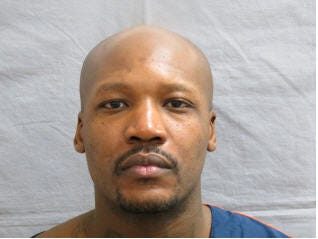
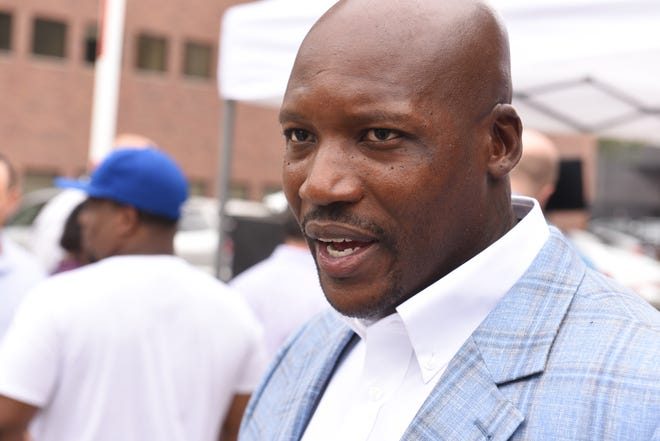
Updated 49 minutes agoAaron Salter served 15 years in prison for a murder he didn't commit. On July 14, 2026, the Detroit City Council voted to pay him $5.8 million to settle the federal lawsuit he filed against the city and the detective who built the case against him.
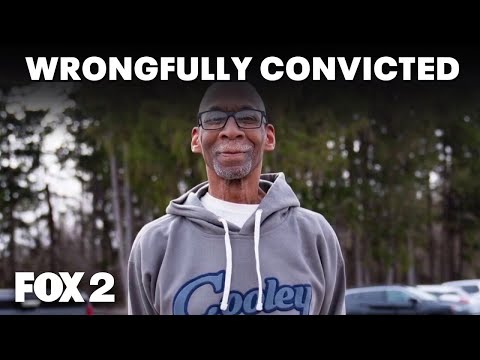
The payout is the second wrongful-conviction settlement the council has approved this year. In April it authorized $4 million for LaVone Hill, who spent 22 years in prison. Both cases involved police work that prosecutors later concluded fabricated or withheld evidence.
Why it matters
Detroit has committed $9.8 million this year to settle two wrongful-conviction suits, and more claims are pending — a growing bill for past police misconduct.
Questions about this story
Free account needed to ask — your question is kept and asked for you right after sign-up. Answers are public.
No questions yet — be the first to ask.
Key Indicators
Voices
Curated perspectives — historical figures and your fellow readers.
Play
Exploring all sides of a story is often best achieved with Play.
WHO SAID WHAT?
Can you match the quotes to the right people?
- points for each correct match.
- time bonus when you answer in under seconds.
- streak bonus once you hit correct in a row.
— Who said this?
Tip: press 1– to answer.
points — sign up to put that on the leaderboard.
Higher or Lower
A number from this story, against one from elsewhere in the news — guess which is bigger, then keep the chain going. 5 rounds, 3 strikes; a miss costs a strike and resets your streak.
Keyboard: ↓/L lower · ↑/H higher
0 points — sign up to put that on the leaderboard.
Connections
Sixteen names from the news. Find the four hidden groups of four. Four mistakes max.
Sign up to keep a daily streak — a new puzzle lands every day.
Exit debate?
Your progress in this debate will be lost.
- 1 Two AI personas square off on this story.
- 2 You predict who'll win each round — correct picks earn XP.
- 3 One crossfire question is yours to fire. Pick it carefully.
Couldn't generate a topic
Select Your Champions
Choose one persona for each side of the debate
DEBATE TOPIC
Choose personas with different perspectives for a more dynamic debate.
Select debater for this side:
No debate personas available right now.
Select debater for this side:
No debate personas available right now.
Who's Got This Round?
Make your prediction before the referee scores
The referee scores both sides on
Round Results
Set the Crossfire
Pick the question both personas must answer in the final round
Debate Oracle! You called every round!
Sharp Instincts! You know your debaters!
The Coin Flip Strategist! Perfectly balanced!
The Contrarian! Bold predictions!
Inverse Genius! Try betting the opposite next time!
XP Breakdown
Prediction History
People Involved
Organizations Involved
The seven-member legislative body that authorizes payments to resolve lawsuits against the city.
The city police force whose detective conducted the suggestive identification that led to Salter's conviction.
A unit that reviews claims of wrongful conviction and reopens questionable cases.
University of Michigan Law School clinic that works to free the wrongly convicted.
Timeline
August 2003 July 2026
-
Council approves $5.8 million Salter settlement
Latest SettlementDetroit City Council authorizes payment to Salter, resolving his lawsuit against the city and Detective Olsen.
-
Council approves $4 million Hill settlement
SettlementDetroit agrees to pay LaVone Hill after he spent 22 years in prison on a wrongful conviction.
-
Full court declines rehearing
LegalSixth Circuit refuses to rehear the case en banc, clearing the way for trial or settlement.
-
Sixth Circuit affirms ruling
LegalAppeals court upholds the denial of qualified immunity on the Brady claim.
-
District court denies detective qualified immunity
LegalCourt rejects fabrication claims but lets the withheld-evidence claim proceed against Olsen.
-
Salter files $75 million federal lawsuit
LegalSalter sues Detective Olsen and the city under federal civil rights law, alleging fabricated and withheld evidence.
-
Salter exonerated and released
LegalConviction voided after the Conviction Integrity Unit review; Salter freed on his 36th birthday after 15 years.
-
Salter convicted of murder
LegalAt 21, Salter convicted three months after the shooting, based largely on one eyewitness identification.
-
Shooting kills Willie Thomas, wounds two others
IncidentThree people shot on a porch in east Detroit; Thomas dies, Jamar Luster and Michael Payne survive.
Historical Context
2 moments from history that rhyme with this story — and how they unfolded.
Ronald Cotton (1984–1995)
In 1984, Jennifer Thompson identified Ronald Cotton as the man who raped her. He was convicted largely on her eyewitness testimony despite a strong alibi. DNA testing in 1995 excluded Cotton and matched Bobby Poole, who confessed. Cotton had served 11 years.
Cotton was exonerated and released in 1995.
The case became a landmark example of eyewitness misidentification, the leading cause of wrongful convictions in the U.S., and drove reforms to police identification procedures.
Salter's conviction rested on a single suggestive photo identification, the same failure that sent Cotton to prison.
Central Park Five (1989–2014)
Five Black and Latino teenagers were convicted in 1990 of assaulting and raping a jogger in New York's Central Park. Their confessions were coerced, and no physical evidence linked them to the attack. DNA testing in 2002 matched the crime to Matias Reyes, a convicted serial rapist, and the convictions were vacated.
The five men were released and formally exonerated after the 2002 DNA match.
New York City paid the five $41 million in 2014, drawing national attention to police and prosecutorial failures in wrongful conviction cases.
Like Detroit's recent payouts, the settlement came years after the injustice and reflected how cities compensate exonerees when police misconduct is exposed.
