Federal judge denies Minnesota TRO as Homan orders 700-agent drawdown; school districts sue over ICE activity; advocacy coalition joins impeachment push with 50+ groups
Federal judge denies Minnesota TRO as Homan orders 700-agent drawdown; school districts sue over ICE activity; advocacy coalition joins impeachment push with 50+ groups
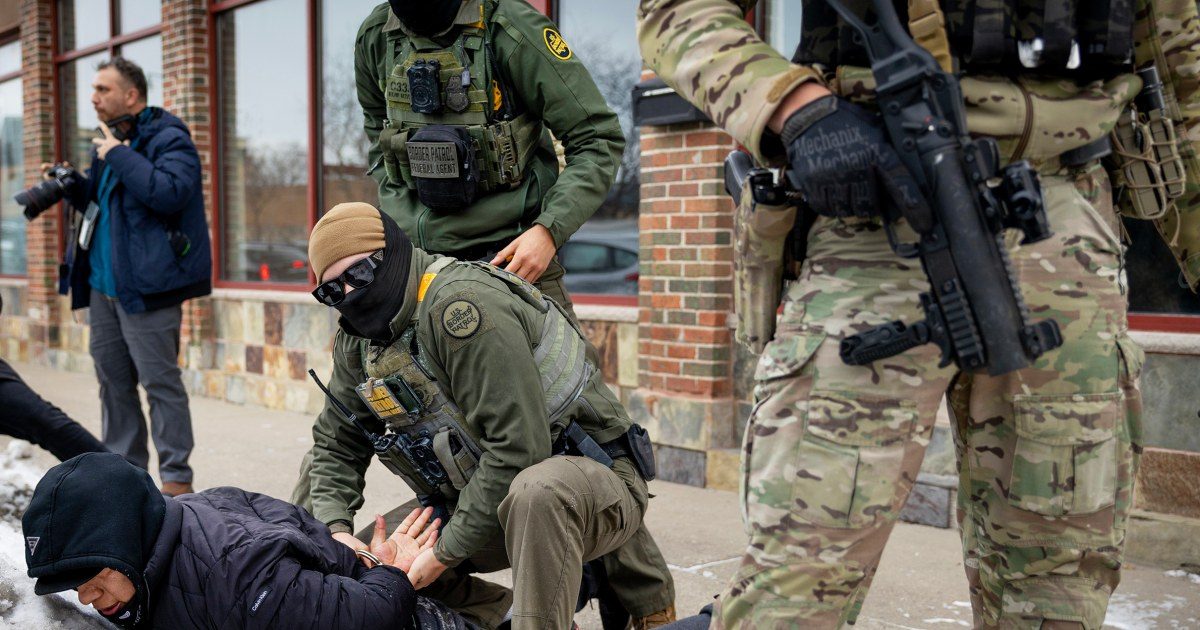
U.S. District Judge Katherine Menendez denied Minnesota's request for a temporary restraining order against Operation Metro Surge on February 2, 2026. She cited insufficient proof of constitutional violations, though she acknowledged evidence of racial profiling and excessive force.
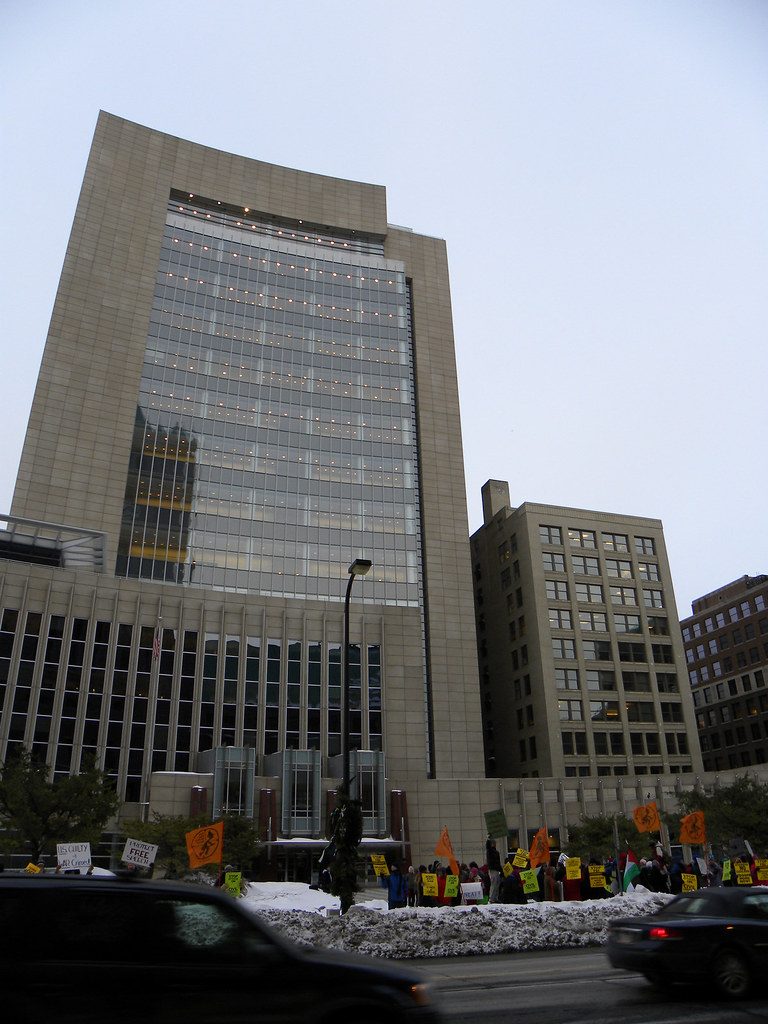
On February 4, Minnesota school districts and educators filed a federal lawsuit to block ICE enforcement within 1,000 feet of schools. They cited traumatized students, lockdowns, and a 22% spike in daily absences following the January 7 killing of Renee Good. Two U.S. citizens were killed during Operation Metro Surge: Renee Good on January 7 and Alex Pretti on January 24.
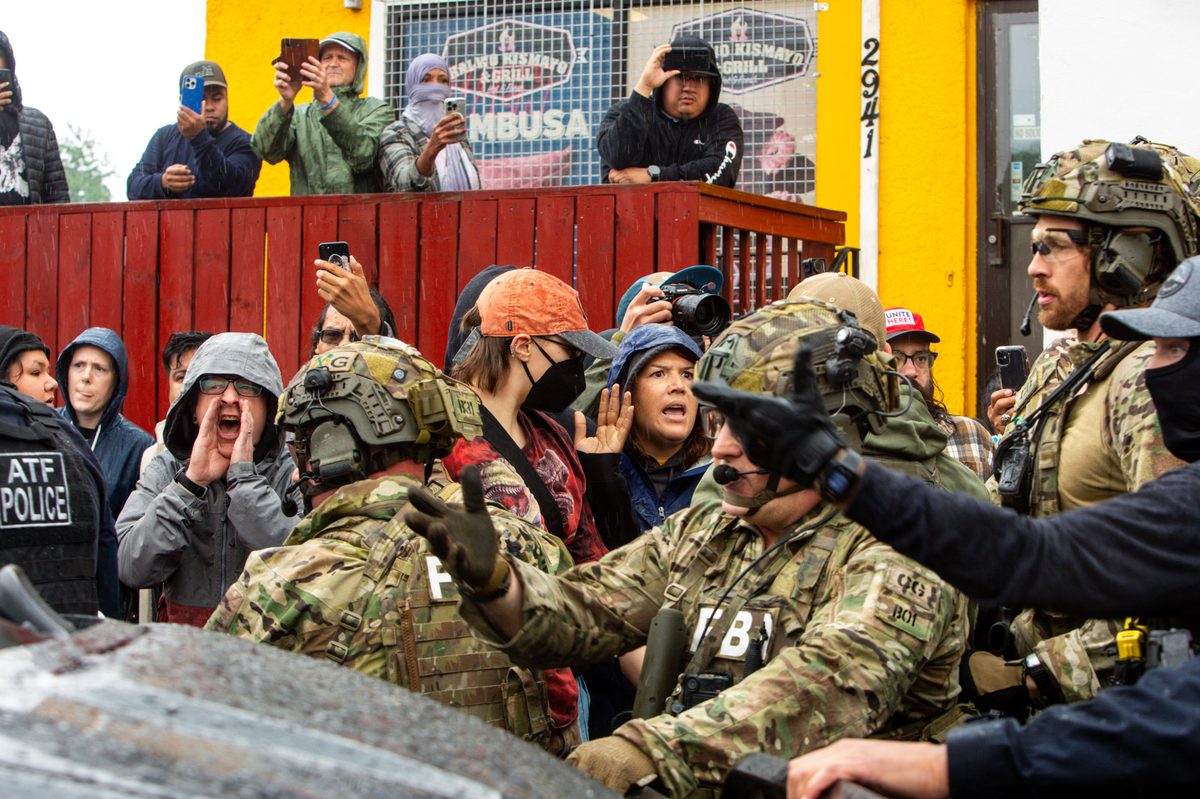
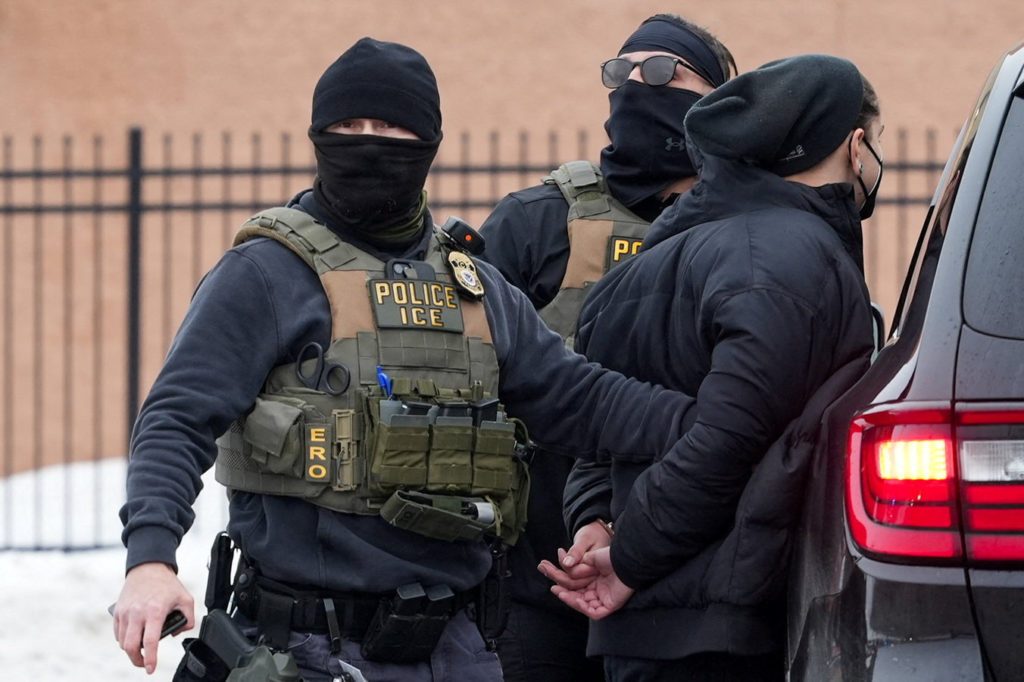
The DOJ Civil Rights Division opened an investigation into Pretti's death on January 30, now led by the FBI. Over 3,000 agents had been deployed across the Twin Cities and Chicago, with more than 3,000 arrests in Minneapolis since December 2025. Border czar Tom Homan, who removed commander Gregory Bovino, ordered a 700-agent drawdown on February 4, reducing deployment by 20%, after state and local officials agreed to facilitate jail-based transfers.
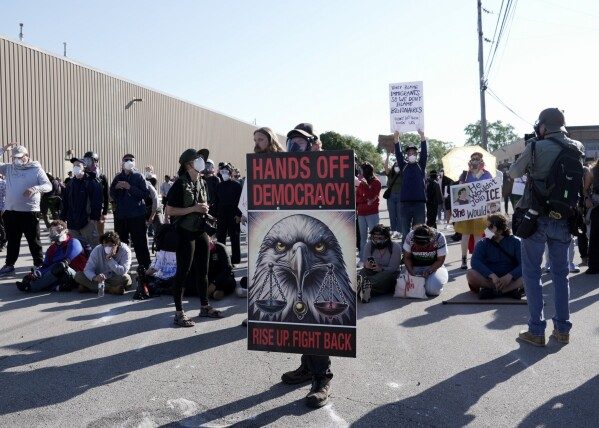
Over 162 House Democrats co-sponsor impeachment articles against DHS Secretary Kristi Noem filed by Rep. Robin Kelly. On February 9, a coalition of more than 50 advocacy organizations including Voto Latino, the Service Employees International Union, and the Human Rights Campaign called for her impeachment. Polling released February 3 showed majority support for her removal, while protests subsided and legal battles over federal-state authority, school safety, and federal accountability intensified.
Questions about this story
Free account needed to ask — your question is kept and asked for you right after sign-up. Answers are public.
No questions yet — be the first to ask.
Key Indicators
2,300+
Federal agents deployed
Post-drawdown estimate after Homan orders 700-agent reduction from ~3,000 across Twin Cities and Chicago
3,000+
Minneapolis arrests
Arrests from Operation Metro Surge in Minneapolis since December 2025 (5,000+ combined with Chicago)
22%
Student absence spike
Increase in daily student absences following ICE surge; Stanford study; half of St. Paul Spanish-speaking students absent Jan 9
2
U.S. citizens killed
Renee Good (Jan 7) and Alex Pretti (Jan 24) shot by federal agents in Minneapolis within 17 days
96
Court orders violated
Federal judge documented 96 court order violations by ICE in 74 cases during January 2026 alone
162+
House Democrats
Co-sponsors of impeachment articles against DHS Secretary Noem (of 213 total); 50+ advocacy groups joined Feb 9
39 events
Latest: February 9th, 2026 · 8 months ago
Showing 8 of 39
JK to step
Tap a bar to jump to that date
Jump to
February 2026
50+ Advocacy Groups Call for Noem Impeachment
LatestPolitical
Voto Latino, SEIU, Human Rights Campaign, United Farm Workers, and 46+ other organizations formally urge Congress to impeach DHS Secretary Noem, citing obstruction, unlawful raids on U.S. citizens, detention of minors including a 5-year-old, and unlawful use of deadly force.
School Attendance Crisis Deepens
Impact
Minnesota school leaders report sharp declines in student attendance tied to ICE surge fears, threatening state K-12 funding which is attendance-based. St. Paul schools reported half of Spanish-speaking students and a quarter of Somali students absent on Jan 9.
Homan Orders 700-Agent Drawdown from Minnesota
Enforcement
Border czar Tom Homan announces immediate reduction of 700 federal agents (~20% of deployment) after state/local officials agree to jail transfers of deportable immigrants; calls operation imperfect but improved via unified command.
Minnesota School Districts File Federal Lawsuit
Legal
Coalition of Minnesota school districts (Fridley, Duluth), Education Minnesota union, and educators file federal lawsuit seeking to block ICE enforcement within 1,000 feet of schools. Lawsuit cites school lockdowns, traumatized students, and 22% spike in daily absences per Stanford research.
Polling: Majority Support Noem Impeachment
Public Opinion
Data for Progress poll finds majority of voters support impeaching DHS Secretary Noem; only about one-third believe she should not be impeached.
Judge Menendez Denies Minnesota TRO Request
Legal
U.S. District Judge Katherine Menendez refuses to halt Operation Metro Surge, ruling plaintiffs failed burden of proof despite evidence of 'profound' harms like profiling; case proceeds without dismissal of constitutional claims.
January 2026
DOJ Opens Civil Rights Probe into Pretti Shooting
Investigation
Deputy Attorney General Todd Blanche announces DOJ Civil Rights Division opened federal investigation into Alex Pretti's killing by Border Patrol agents. FBI takes lead role. DOJ declines to investigate earlier Renee Good shooting.
Nationwide Strike and Mass Protests Against ICE
Political
Massive protests across U.S. as organizers call for 'no work, no school, no shopping' strike. Thousands march in Minneapolis; student walkouts in Portland; demonstrations in DC, Arizona, Colorado. Minnesota businesses close in solidarity.
Journalist Don Lemon Arrested Over Church Protest
Legal
Federal agents arrest former CNN anchor Don Lemon in Los Angeles for Jan 18 protest at St. Paul church. Charged with conspiracy to deprive rights and interfering with religious freedom. Lemon says he was reporting as journalist; next hearing Feb 9.
Tom Homan Announces Federal Agent Drawdown Plan
Enforcement
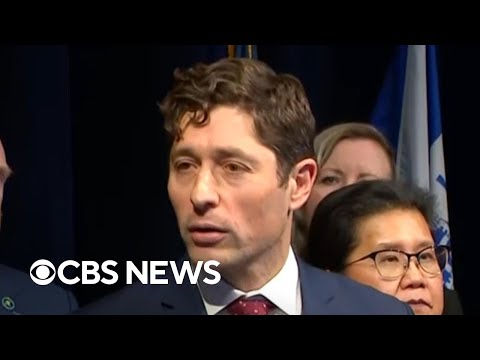
Trump's border czar announces plan to reduce federal agents in Minnesota, shifting from street operations to jail-based enforcement. Says drawdown depends on state cooperation. Minneapolis Mayor Frey responds: 'Operation Metro Surge must end.'
ICE Releases Detainee After Contempt Threat
Legal
ICE releases Juan Hugo Tobay Robles from Texas detention facility after Judge Schiltz threatened to hold acting ICE Director in contempt. Judge cancels Friday contempt hearing.
Border Patrol Commander Bovino Removed from Minneapolis
Administrative
Gregory Bovino stripped of commander title and reassigned to El Centro, California after claiming without evidence Pretti intended to 'massacre' agents. Tom Homan and CBP Commissioner Rodney Scott take control of Minnesota operations.
Federal Judge Threatens ICE Director with Contempt
Legal
Chief U.S. District Judge Patrick Schiltz orders acting ICE Director Todd Lyons to appear in court, stating 'ICE has likely violated more court orders in January 2026 than some federal agencies have violated in their entire existence'—citing nearly 100 violations.
House Democratic Leadership Threatens Impeachment
Political
House Minority Leader Hakeem Jeffries states Democrats will move to impeach DHS Secretary Noem if Trump doesn't fire her. Over 160 of 213 House Democrats have now co-sponsored impeachment articles.
Appeals Court Stays Protest-Protection Order
Legal
8th Circuit Court of Appeals indefinitely stays Judge Menendez's January 16 order that restricted federal agents' ability to arrest, detain, or pepper-spray peaceful protesters during ICE operations.
Minnesota Judge Hears Arguments, Delays Ruling
Legal
U.S. District Judge Katherine Menendez holds hearing on Minnesota's lawsuit seeking to halt Operation Metro Surge but does not rule from bench. DOJ reveals at least 3,000 federal agents deployed in Minnesota (2,000 ICE, 1,000 Border Patrol).
Senator Jacky Rosen Calls for Noem Impeachment
Political
Moderate Nevada Senator Jacky Rosen joins impeachment push, calling Noem's leadership 'an abject failure' and accusing her of misleading the public about Pretti killing. Announces she'll vote against DHS funding until ICE guardrails implemented.
Federal Agents Kill Second U.S. Citizen
Incident
Customs and Border Protection agents shoot and kill Alex Jeffrey Pretti, 37, an ICU nurse filming enforcement operations during a protest. Video contradicts DHS claims that Pretti threatened agents with a weapon.
FBI Supervisor Resigns After Pressure to Drop Good Investigation
Investigation
FBI supervisor Tracee Mergen resigns from Minneapolis field office after pressure from Washington leadership to abandon civil rights investigation into ICE agent Jonathan Ross's killing of Renee Good.
Impeachment Articles Reach 100 Co-Sponsors
Political
Rep. Robin Kelly's impeachment articles against Secretary Noem reach 100 House Democratic co-sponsors within seven days of introduction.
DHS Announces 3,000 Arrests in Minneapolis
Enforcement
DHS announces Operation Metro Surge has reached 3,000 arrests in Minneapolis. Secretary Noem claims 10,000 total arrests, though reporting reveals some arrests predate the operation or occurred elsewhere.
U.S. District Judge Katherine Menendez declines to issue temporary restraining order against ICE operations but sets January 19 deadline for federal response and January 22 for state reply, calling case a 'frontier in constitutional law.'
Judge Ellis Takes Illinois/Chicago Lawsuit
Legal
U.S. District Judge Sara Ellis agrees to oversee Illinois and Chicago's new lawsuit, citing her 'substantial familiarity' with Operation Midway Blitz from previous use-of-force case. Sets January 22 hearing.
Noem Appoints New ICE Deputy Director
Administrative
DHS Secretary Noem names Charles Wall, ICE's Principal Legal Advisor for 14 years, as new Deputy Director, replacing Madison Sheahan who resigned to run for Congress.
Congressional Democrats File Impeachment Articles Against Noem
Political
Rep. Robin Kelly and approximately 70 Democratic colleagues file three articles of impeachment against DHS Secretary Noem, alleging warrantless arrests, violence against U.S. citizens, and obstruction of Congress.
National Polls Show Majority Disapproval of ICE Tactics
Public Opinion
CNN/SSRS poll finds 56% call Minneapolis shooting inappropriate; 51% say ICE making cities less safe. Quinnipiac poll shows 57% disapprove of ICE enforcement methods; 53% say Good shooting unjustified.
FBI Excludes Minnesota Investigators from Good Shooting Probe
Investigation
FBI reverses course on joint investigation, denying Minnesota Bureau of Criminal Apprehension access to case materials and interviews. Deputy AG Todd Blanche says DOJ sees no evidence for civil rights investigation.
Minnesota and Illinois File Federal Lawsuits
Legal
Minnesota (with Minneapolis and St. Paul) and Illinois (with Chicago) file separate federal lawsuits seeking injunctions to halt ICE operations, alleging 10th Amendment violations and unlawful use of force.
DHS Deploys Hundreds More Agents
Enforcement
Secretary Noem orders hundreds more agents to Minnesota following days of protests over Renee Good shooting.
Federal-State Cooperation Collapses
Investigation
FBI revokes Minnesota Bureau of Criminal Apprehension's access to evidence, ending joint investigation. Governor Walz puts National Guard on alert.
ICE Agent Kills U.S. Citizen Renee Good
Incident
ICE agent Jonathan Ross shoots and kills Renee Good, 37, a U.S. citizen, in Minneapolis. FBI investigation launched. DHS claims self-defense; video evidence disputed.
DHS Announces 'Largest Operation Ever'
Enforcement
Secretary Noem participates in Minneapolis arrest operation. DHS announces deployment of 2,000 agents to Twin Cities—the 'largest immigration enforcement operation ever.'
December 2025
Supreme Court Blocks National Guard in Chicago
Legal
U.S. Supreme Court rejects Trump administration's request to deploy National Guard to Illinois, ruling it violates the Posse Comitatus Act.
Operation Metro Surge Begins in Minneapolis
Enforcement
DHS launches immigration enforcement operation in Twin Cities with approximately 700 agents.
November 2025
Appeals Court Stays Chicago Injunction
Legal
Seventh Circuit Court of Appeals pauses Judge Ellis's order restricting federal agents' use of force.
Judge Orders Hundreds Released
Legal
U.S. District Judge Jeffrey Cummings orders release of hundreds detained by ICE, ruling arrests violated the Fourth Amendment.
Federal Judge Issues Chicago Injunction
Legal
U.S. District Judge Sara Ellis issues injunction restricting ICE use of force, finding federal officials lied about threats from protesters.
October 2025
Chicago Arrests Exceed 1,000
Enforcement
DHS announces more than 1,000 arrests under Operation Midway Blitz. Secretary Noem travels to Chicago.
September 2025
Operation Midway Blitz Begins in Chicago
Enforcement
DHS launches immigration enforcement operation in Chicago area with approximately 250 agents, named after Katie Abraham, killed by an undocumented immigrant in Illinois.
Scenarios
1
Courts Grant Injunctions, Operations Halted
Possible
Discussed by: Legal analysts at Lawfare and the Brennan Center, citing precedent from the Chicago use-of-force injunction
Federal judges grant temporary restraining orders, then preliminary injunctions, halting or significantly restricting ICE operations in both states. This scenario mirrors Judge Ellis's November 2025 Chicago ruling. The administration appeals, but operations remain constrained during litigation. The 10th Amendment arguments gain traction as courts find federal enforcement exceeded constitutional bounds.
2
Courts Reject State Claims, Operations Continue
Possible
Discussed by: Constitutional scholars citing Arizona v. United States (2012) and federal supremacy in immigration law
Federal courts deny the injunctions, ruling that immigration enforcement is exclusively federal authority under Arizona v. United States. The 10th Amendment anti-commandeering doctrine protects states from being forced to participate but doesn't authorize blocking federal action. Operations continue, potentially escalating to other states. This outcome would reinforce federal enforcement authority.
3
Supreme Court Intervenes on State Sovereignty
Uncertain
Discussed by: Constitutional law professors and Supreme Court analysts, noting the Court's December 2025 National Guard ruling
Cases reach the Supreme Court on an expedited basis after conflicting circuit rulings. The Court's December 2025 rejection of National Guard deployment suggests some appetite for limiting executive overreach, but immigration enforcement is a different legal question. A ruling would set precedent for the limits of federal power to conduct mass enforcement operations over state objections.
4
Jonathan Ross Charged in Renee Good Killing
Unlikely
Discussed by: Legal observers at The Marshall Project and The Intercept, analyzing video evidence and past cases
The FBI investigation concludes with federal or state charges against Agent Ross for the Renee Good shooting. Video evidence contradicting DHS's 'self-defense' narrative, combined with political pressure, leads to prosecution. Such charges would be rare—federal agents are rarely criminally prosecuted for on-duty shootings. A conviction would fundamentally alter federal enforcement calculus.
5
Impeachment Proceedings Gain Momentum Against Noem
Unlikely
Discussed by: Congressional Democrats and civil rights advocates, citing parallel to Mayorkas impeachment
The impeachment articles filed by Rep. Robin Kelly and 70+ Democrats advance beyond symbolic protest. While unlikely to result in conviction given Senate composition, House hearings could compel testimony about Operation Metro Surge and Midway Blitz tactics, warrantless arrests of U.S. citizens, and the Good shooting. Parallel to 2024 Mayorkas impeachment, but with fatal shooting adding political pressure.
6
Public Opinion Shifts Federal Enforcement Strategy
Possible
Discussed by: Political strategists and polling analysts, noting 56% disapproval in CNN poll
National polls showing majorities view the Good shooting as unjustified (53-56%) and ICE as making cities less safe (51%) force a recalibration of enforcement tactics. DHS could quietly scale back operations, increase warrant requirements, or impose stricter use-of-force protocols to stem political damage ahead of 2026 midterms. The 'worst of the worst' messaging may shift if public sees operations as indiscriminate.
7
Federal Judge Holds ICE Officials in Contempt
Possible
Discussed by: Legal experts at the National Immigration Law Center, following Judge Schiltz's extraordinary January 27 order
Judge Schiltz or another federal judge finds ICE officials in civil contempt for systematic violation of court orders, potentially imposing daily fines or ordering release of detainees until compliance. The nearly 100 violations documented in January 2026 alone provide unprecedented grounds. Such a ruling would force DHS to choose between compliance, appealing to higher courts, or openly defying judicial authority—creating a constitutional crisis.
8
State or Federal Charges in Pretti Killing
Possible
Discussed by: Hennepin County Attorney's office and civil rights advocates, analyzing video evidence contradicting DHS narrative
The Alex Pretti shooting—with video evidence contradicting DHS claims he threatened agents with a weapon—leads to criminal charges by Minnesota prosecutors or (less likely) federal authorities. Coming 17 days after the Renee Good killing, two U.S. citizen deaths create overwhelming pressure. Hennepin County has solicited public evidence. Charges would be unprecedented for on-duty federal agents during immigration enforcement.
9
FBI Internal Crisis Over Investigation Interference
Possible
Discussed by: Former FBI officials and Justice Department whistleblower advocates, following Tracee Mergen's resignation
FBI supervisor Tracee Mergen's resignation after pressure to abandon the Renee Good civil rights investigation sparks internal rebellion within the FBI. Additional agents come forward about DOJ political interference. Congressional hearings expose the pressure campaign. The controversy could undermine FBI credibility in Minnesota and complicate ongoing federal law enforcement operations.
10
School Districts Win Injunction, ICE Barred from Schools
Possible
Discussed by: Education Minnesota, school district attorneys, civil rights advocates
Federal judge grants preliminary injunction in school districts' lawsuit, reinstating the decades-old 'protected areas' policy that barred ICE enforcement within 1,000 feet of schools. The ruling would mirror Judge Ellis's November 2025 Chicago use-of-force injunction and provide immediate relief from attendance crises and student trauma. DHS would appeal, but operations near schools would be constrained during litigation.
11
Noem Impeachment Advances to House Floor Vote
Possible
Discussed by: House Democratic leadership, advocacy coalition organizers, political analysts
With 162+ House Democratic co-sponsors and majority public support per polling, impeachment articles advance to a floor vote. While conviction in the Republican-controlled Senate is unlikely, House hearings would compel testimony about Operation Metro Surge tactics, warrantless arrests of U.S. citizens, and the Good and Pretti shootings. The political pressure could force DHS policy changes or Noem's resignation.
12
Homan Announces Full Drawdown After Jail Cooperation Succeeds
If Minnesota counties continue honoring ICE detainers and jail-based transfers prove effective, Homan could announce a complete end to Operation Metro Surge by late February or March 2026. This would represent a tactical victory for state/local cooperation over street enforcement, though it would not resolve the underlying constitutional questions in pending lawsuits.
13
8th Circuit Upholds Menendez TRO Denial, Dismisses Protest-Protection Order
Possible
Discussed by: Constitutional law scholars, appellate court observers
The 8th Circuit, which already stayed Menendez's protest-protection order in January, could affirm her denial of the broader TRO on the merits. This would reinforce federal supremacy in immigration enforcement and narrow the 10th Amendment anti-commandeering doctrine as applied to ICE operations. Minnesota would likely appeal to the Supreme Court.
Historical Context
3 moments from history that rhyme with this story — and how they unfolded.
1 of 3
August 1992
Ruby Ridge (1992)
U.S. Marshals and FBI agents laid siege to Randy Weaver's cabin in Idaho over firearms charges. An 11-day standoff left Weaver's 14-year-old son Sammy, his wife Vicki, and a U.S. Marshal dead. FBI sniper Lon Horiuchi shot Vicki Weaver while she held her infant daughter.
Then
Weaver was acquitted of most charges. He and his daughters received $3.1 million in settlement.
Now
Senate investigations found 'substantial failures' in federal law enforcement. The incident fueled the militia movement and influenced the Oklahoma City bombing conspirators.
Why this matters now
Ruby Ridge established lasting public concern about federal agents' use of lethal force and lack of accountability. The Renee Good shooting invokes similar questions about federal agents killing U.S. citizens—and whether state or federal authorities control the investigation.
2 of 3
2010-2012
Arizona v. United States (2012)
Arizona passed SB 1070, attempting to create state immigration enforcement powers. The Obama administration sued, arguing federal preemption. The Supreme Court struck down three of four provisions, ruling immigration enforcement is exclusively federal authority.
Then
Arizona's law was gutted. Copycat laws in Alabama, Georgia, and other states were blocked.
Now
Established that states cannot independently enforce immigration law—but the 10th Amendment protects them from being forced to participate.
Why this matters now
The current lawsuits flip Arizona's framework: states aren't trying to enforce immigration law, they're trying to stop federal enforcement on their territory. The legal question is whether the 10th Amendment and constitutional limits on use of force can constrain federal operations that states allowed under Arizona but didn't invite.
3 of 3
2017-2021
California Sanctuary State Litigation (2017-2021)
The first Trump administration sued California over SB 54, its sanctuary law limiting local cooperation with ICE. California countersued over executive orders defunding sanctuary cities. Federal courts sided with California on both fronts.
Then
Federal judges blocked defunding sanctuary cities as unconstitutional commandeering. California's sanctuary law was upheld.
Now
The 9th Circuit ruled that 'refusing to help is not the same as impeding.' The Supreme Court declined to review the case.
Why this matters now
The California precedent established that states can refuse cooperation with federal immigration enforcement. Minnesota and Illinois are now testing whether states can go further—using federal courts to actively halt enforcement operations they deem unconstitutional.