

Pull to refresh
Logo
Appeals court refuses to delay ruling that protects transgender troops from discharge

Appeals court refuses to delay ruling that protects transgender troops from discharge

Rule Changes

A divided D.C. Circuit panel issued its mandate immediately, shielding 27 current service members while the Pentagon's enlistment ban stays in place

Overview

Updated 1 hour ago

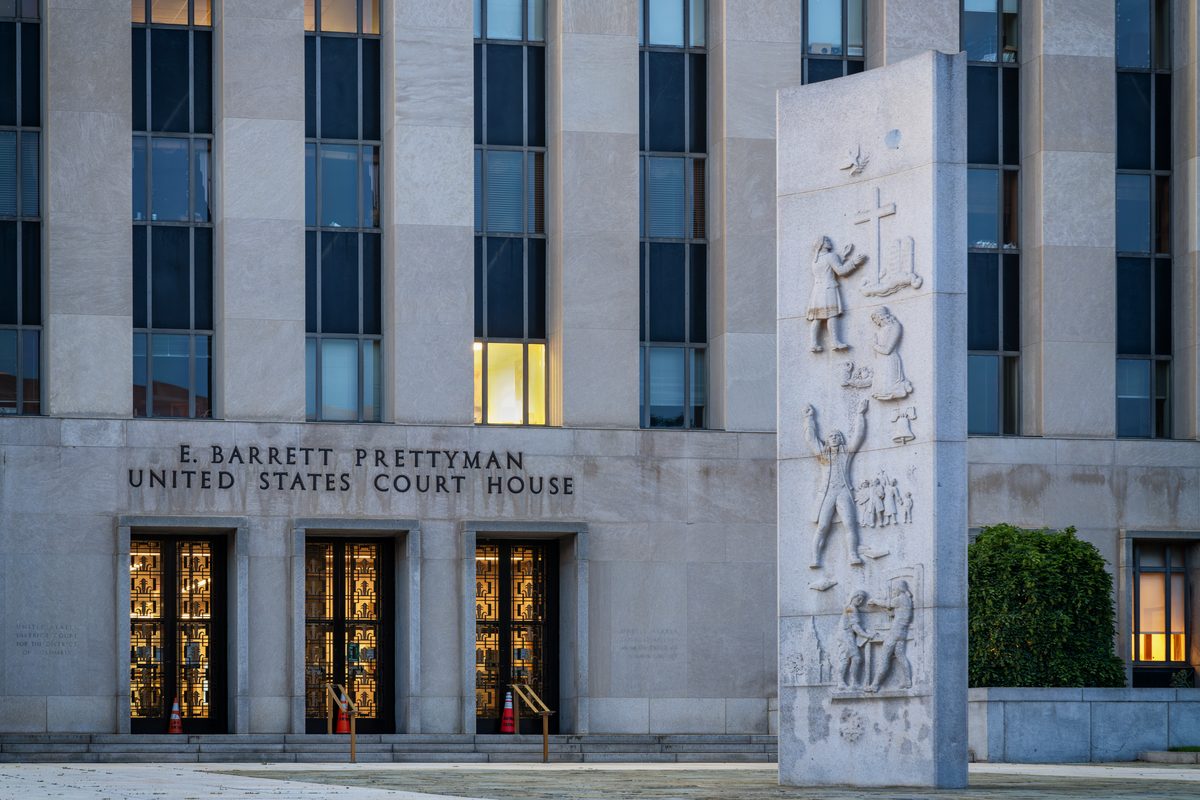
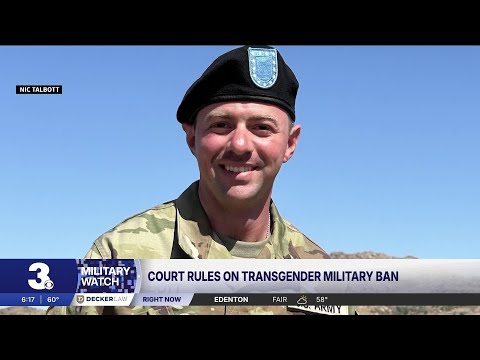
A federal appeals court on Tuesday refused to hold back its own ruling, letting an order take effect that keeps 27 transgender service members in uniform. The U.S. Court of Appeals for the District of Columbia Circuit told its clerk to issue the mandate immediately, five and a half months after a three-judge panel found the Pentagon's ban likely unconstitutional.

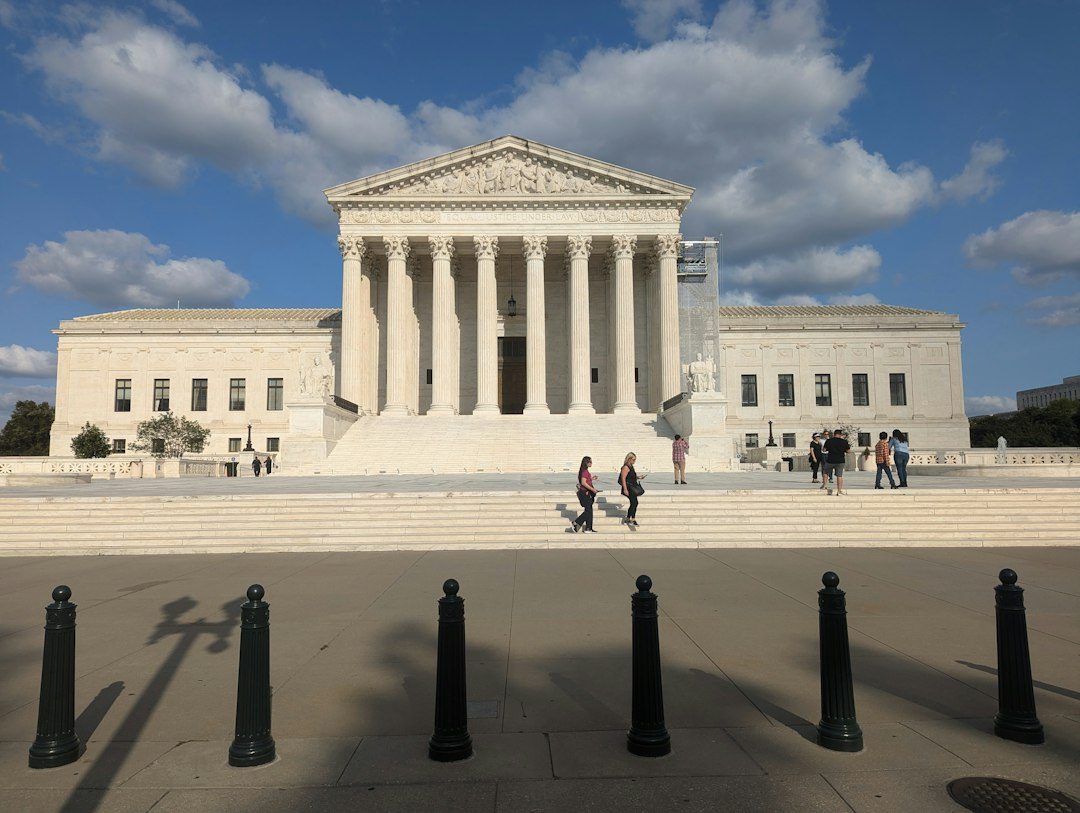
The protection is narrow. It covers only the people who sued, not transgender recruits or the rest of the force, and it does not settle whether the ban survives. The administration has already asked the Supreme Court to hear the case; the justices are set to consider that petition at their Dec. 4 conference.

Why it matters

Twenty-seven service members keep their careers for now, while the Supreme Court weighs how much deference military policy gets.

Questions about this story

Free account needed to ask — your question is kept and asked for you right after sign-up. Answers are public.

No questions yet — be the first to ask.

Key Indicators

27
Service members protected by the injunction
Plaintiffs' attorneys say the order covers 27 currently serving troops named in the lawsuit.
2–1
Panel vote refusing to delay the ruling
Judges Wilkins and Rogers voted to reject the stay; Judge Walker would have granted it.
Dec. 4
Date justices consider the petition
The Supreme Court docket lists United States v. Talbott, No. 26-272, for its Dec. 4 conference.

Voices

Curated perspectives — historical figures and your fellow readers.

Sign up to generate historical perspectives on this story.

People Involved

Organizations Involved

Timeline

June 2016 November 2026

10 events Latest: Yesterday
Tap a bar to jump to that date
  1. Trump signs a new restricting order

    Policy

    The order directed the Pentagon to set standards excluding transgender people from service.

  2. Biden reverses the ban

    Policy

    An executive order restored open service, and the Pentagon put new rules in place that spring.

  3. Trump announces a ban via Twitter

    Policy

    The announcement set off years of litigation over how far the military could go in excluding transgender people.

  4. Pentagon lifts ban on openly transgender service

    Policy

    Defense Secretary Ash Carter allowed transgender troops to serve openly, with the services required to begin accepting recruits the following year.

Scenarios

1

Supreme Court takes the case and lifts the injunction

Uncertain Resolves by Q2 2027

Discussed by: The Trump administration, which asked the justices to hear the case, and Judge Justin Walker, who would have granted the stay

The justices could grant review and stay the injunction, as a five-justice majority did in the first transgender ban case in 2019. That would let the Pentagon start separation proceedings against the 27 plaintiffs while the appeal runs. The Court's 2025 order in United States v. Shilling shows it will let the policy operate during litigation when an injunction reaches recruitment as well as retention.

2

Justices deny review and the 27 stay in uniform

Possible Resolves by Q1 2027

Discussed by: Plaintiffs' attorneys, who argue the injunction covers only named service members and is far narrower than the one the Court stayed

A denial would leave the D.C. Circuit's June ruling as the final word in this case. The 27 plaintiffs keep serving; new transgender enlistment stays barred under the same decision. Wilkins leaned on this distinction Tuesday, noting the Talbott injunction is limited to specific current service members rather than the whole force.

3

Pentagon rewrites the policy to survive review

Unlikely Resolves by End of 2027

Discussed by: The D.C. Circuit's June opinion, which noted the military's broad authority to set enlistment standards

The panel left the Pentagon room to maneuver: it said the services can decide who may join. A replacement directive that separates recruiting rules from retention, or that builds a factual record courts will accept, could supersede the 2025 policy and make the lawsuit moot. The department has not announced such a rewrite.

Historical Context

3 moments from history that rhyme with this story — and how they unfolded.

June 2016

Open transgender service (2016)

Defense Secretary Ash Carter ended the ban on transgender troops serving openly and gave the services until July 2017 to begin accepting recruits. The change came by Pentagon directive, not by statute.

Then

Transgender service members already in uniform were allowed to stay, and the recruitment deadline was pushed back more than once.

Now

The policy lasted about a year before the next administration reversed it, showing how readily service rules change with an election.

Why this matters now

It is the baseline the 2025 order undid, and it explains why this round of litigation focuses on retention rather than enlistment.

July 2017 - April 2019

First Trump ban and the Supreme Court stay (2017-2019)

Trump announced via Twitter that transgender people would be barred from the military. Lower courts blocked the policy repeatedly. In January 2019 the Supreme Court voted 5-4 to let it take effect while appeals continued.

Then

The Pentagon issued a policy in April 2019 that barred transgender service except in limited cases.

Now

The ban stood until Biden reversed it by executive order in January 2021.

Why this matters now

The same procedural move is on the table now: asking the justices to stay an injunction rather than wait for a final ruling on the merits.

December 2010 - September 2011

"Don't Ask, Don't Tell" repeal (2010-2011)

Congress passed repeal after a Pentagon review found little risk to readiness. Open service by gay and lesbian troops began in September 2011 once the president, defense secretary and chairman of the Joint Chiefs certified the change.

Then

The 1993 compromise that required gay service members to hide their sexuality ended.

Now

Repeal held, and the military has since treated it as settled policy.

Why this matters now

It shows the other route for changing personnel rules: Congress and the Pentagon acting themselves, rather than a court ordering it.

Sources

(5)