

Pull to refresh
Logo
Geothermal drilling completed for Aulnay-sous-Bois district heating

Geothermal drilling completed for Aulnay-sous-Bois district heating

Built World

Coriance's doublet will supply 93% of the town's heat from the Dogger aquifer

Today: Coriance confirms doublet drilling complete

Overview

Updated 1 hour ago

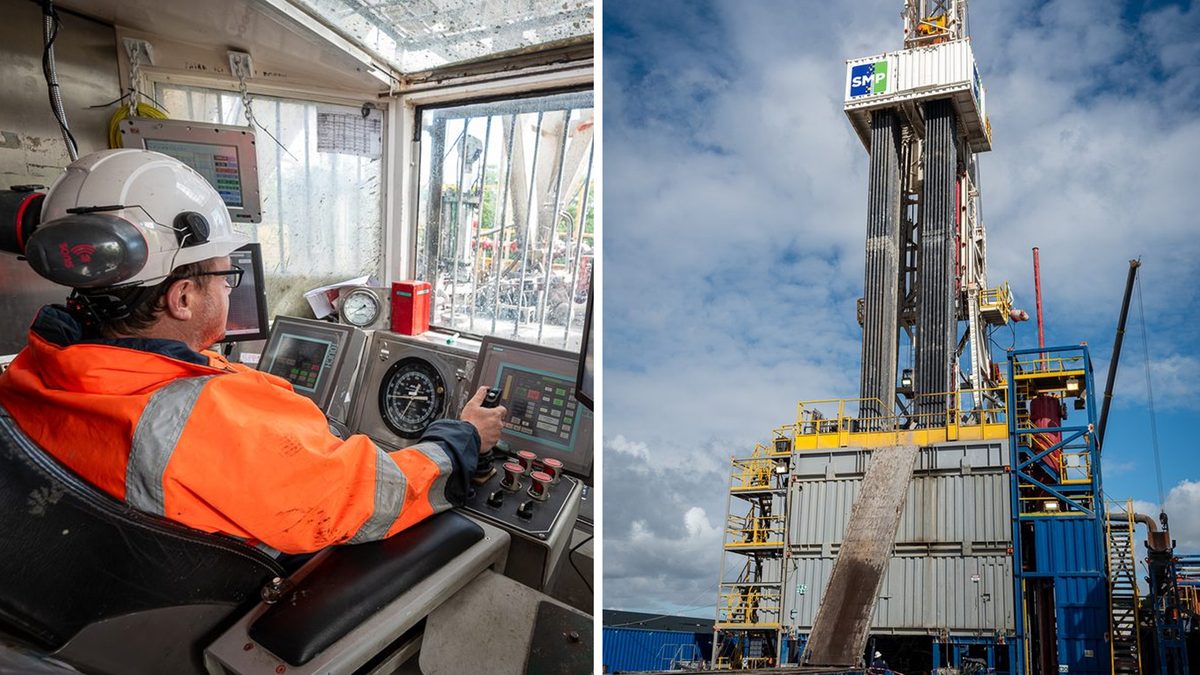
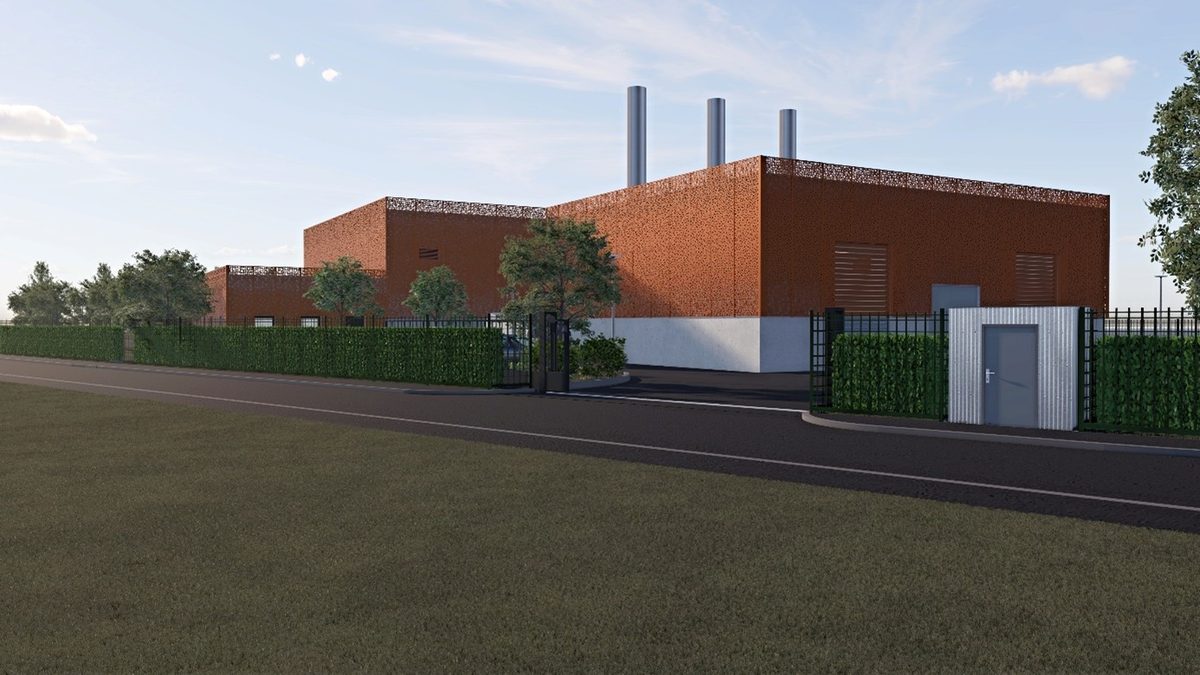
A town northeast of Paris is swapping its gas-fired heating for heat pulled from 2,000 meters underground. Drilling of the geothermal doublet in Aulnay-sous-Bois is complete, and 93% of the local district heating network should run on geothermal water by the end of 2026.

The wells tap the Dogger limestone formation, where water sits at about 70 degrees Celsius. Once online, the system should avoid 28,000 tonnes of CO2 a year, enough heat for 14,000 homes. It is one of several projects Coriance is building across the Paris Basin as France pushes to roughly quadruple deep geothermal output.

Why it matters

A French town's heat is moving from gas to geothermal, part of a national push to quadruple deep geothermal output by the early 2030s.

Questions about this story

Free account needed to ask — your question is kept and asked for you right after sign-up. Answers are public.

No questions yet — be the first to ask.

Key Indicators

93%
Share of district heat from geothermal once online
Natural gas remains only as backup and peak supply.
28,000 t
Annual CO2 emissions avoided
Roughly equal to taking 6,000 cars off the road each year.
37 km
Heating network length after expansion
Built from 15 km of existing pipe plus 22 km of new lines.
14,000
Homes-equivalent of annual heat output
The 140 GWh yearly output covers heating and hot water for 14,000 homes.

Voices

Curated perspectives — historical figures and your fellow readers.

Ever wondered what historical figures would say about today's headlines?

Sign up to generate historical perspectives on this story.

Organizations Involved

Timeline

March 2026 September 2026

3 events Latest: Today
  1. Coriance confirms doublet drilling complete

    Today Milestone

    The group announces the drilling campaign is done and the heating plant is under construction, with commissioning set for the end of 2026.

  2. Both wells reach the Dogger aquifer

    Construction

    Production and injection wells finish around 2,000 meters deep, where thermal water runs about 70 degrees Celsius.

  3. Geothermal drilling starts in Aulnay-sous-Bois

    Construction

    Coriance and SMP Energies begin boring two wells toward the Dogger formation, with work expected to span about four months.

Scenarios

1

Aulnay geothermal plant live, 93% of heat renewable

Likely Resolves by Apr 30, 2027

Discussed by: Coriance's own schedule, tracked by ThinkGeoEnergy

The heating plant and well connections finish on time, and by the end of 2026 the network ramps geothermal supply to cover 93% of heat. The 22-km expansion adds homes and public buildings, pushing annual output toward 140 GWh.

2

Commissioning slips into 2027, gas stays primary

Possible Resolves by Apr 30, 2027

Discussed by: Delays are common in deep geothermal plant and network integration

Plant completion or the well-to-plant hookup falls behind, pushing full geothermal supply past early 2027. Gas boilers cover a larger share of heat while work finishes.

3

Network expansion connects fewer buildings than planned

Unlikely Resolves by Q2 2028

Discussed by: 22-km pipe expansion targeting homes, schools, and the Val Francilien business zone

The wells work as designed, but the network expansion lands short, so fewer buildings connect and geothermal output stays well under the 140 GWh forecast.

Historical Context

2 moments from history that rhyme with this story — and how they unfolded.

October 2024-2026

Dugny-Le Bourget geothermal plant (2024-2026)

Coriance's subsidiary Energie verte de Dugny-Le Bourget drilled a similar doublet to serve Dugny and Le Bourget, including Paris-Le Bourget Airport. The wells reached about 1,700 meters into the Dogger formation in roughly three months, and commissioning is set for spring 2026.

Then

The plant will serve more than 9,000 equivalent dwellings, including the airport, with heating rates about 25% below gas.

Now

It shows Coriance running the same geothermal playbook across several towns at once.

Why this matters now

Both projects are Coriance efforts tapping the same aquifer around the same time, so Aulnay-sous-Bois is one node in a wider Paris Basin build-out.

Late 1970s-1980s

Paris Basin geothermal boom (late 1970s-1980s)

After the 1973 oil crisis, France pushed home-grown heating. The first doublet plants tapped the Dogger limestone under the Paris Basin in the late 1970s and early 1980s, using one well to extract hot water and a second to reinject it.

Then

The plants cut reliance on imported oil for heating, and the Paris Basin became one of Europe's busiest geothermal districts.

Now

The doublet design became the standard for deep geothermal heating, and many of those 1970s-80s plants fed French district heating networks for decades.

Why this matters now

Aulnay-sous-Bois uses the same Dogger aquifer and doublet design France pioneered in the 1970s, applied to a network that now runs on natural gas.

Sources

(4)