
Pull to refresh
Logo
Geothermal heat network opens in Dugny and Le Bourget

Geothermal heat network opens in Dugny and Le Bourget

Built World

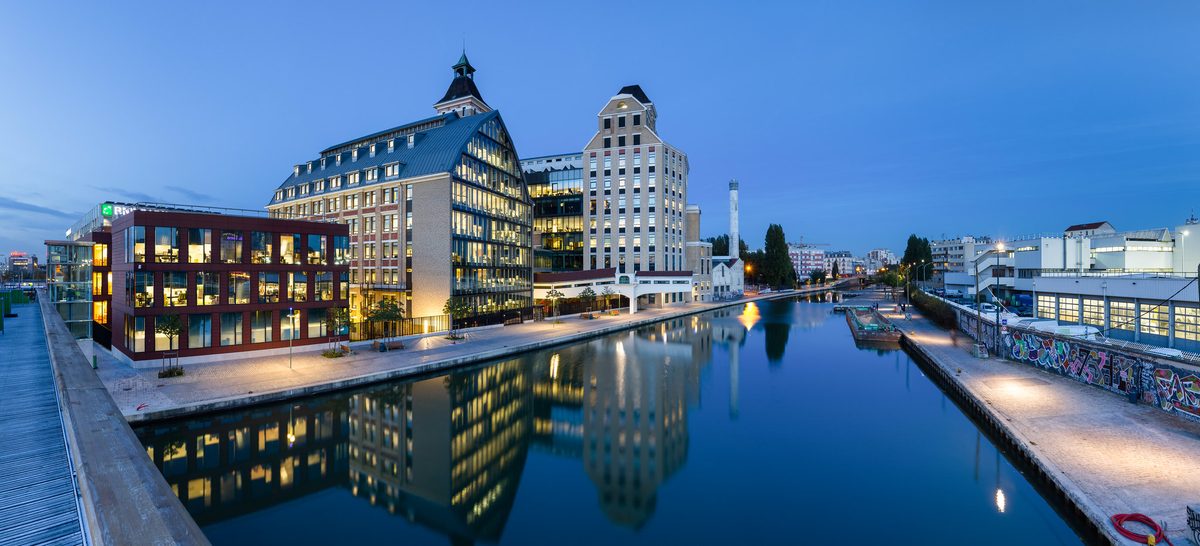
A €55 million plant draws 65°C water from 1,600 metres under the Paris suburbs to heat about 9,000 homes, an airport and a former Olympic press village

Overview

Updated 7 hours ago

Heat from 1,600 metres beneath Dugny has been flowing into the town's radiators since June. On 18 November, officials from the two towns, the Île-de-France region and operator Énergie Verte de Dugny – Le Bourget marked the start of commercial operations at the plant that supplies it.

The €55 million facility feeds a 20-kilometre network serving about 9,000 equivalent homes, Paris-Le Bourget airport and the former press village from the 2024 Olympics. About 90% of the heat is renewable, and the operator projects connected buildings will pay roughly 25% less than they would burning gas.

Why it matters

Most European building heat still comes from gas. This plant tests whether the Paris Basin's underground reservoir can undercut it.

Questions about this story

Free account needed to ask — your question is kept and asked for you right after sign-up. Answers are public.

No questions yet — be the first to ask.

Key Indicators

9,000
Equivalent homes served
Design capacity of the network across Dugny and Le Bourget.
20 km
Heat network length
Pipes linking the plant to buildings in both towns, plus a link to the Blanc-Mesnil network.
90%
Share of heat from renewable sources
The remainder comes from four gas boilers kept for backup and peak demand.
15,600 t
CO₂ avoided per year
The operator compares it to removing 13,000 cars from the road.
65°C
Water temperature at the wellhead
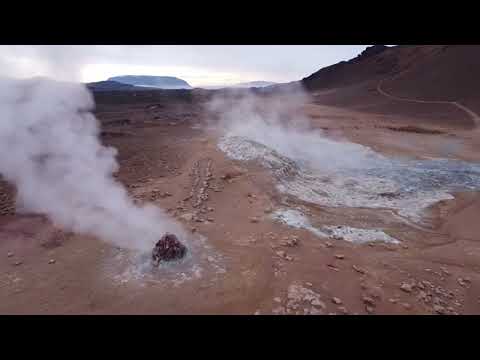
Naturally heated water drawn from the Dogger aquifer.
€55M
Total investment
€18 million of it came from ADEME's Heat Fund.

Voices

Curated perspectives — historical figures and your fellow readers.

Sign up to generate historical perspectives on this story.

Organizations Involved

Timeline

September 2022 November 2026

8 events Latest: Today
Tap a bar to jump to that date
  1. Commercial operations officially marked

    Today Milestone

    Town, regional and company representatives mark the start of commercial operations at the plant.

  2. Plant opens to the public

    Public event

    About 40 visitors tour the plant during European Heritage Days.

  3. Geothermal heat enters the network

    Operations

    The plant begins feeding heat from the Dogger aquifer into the 20-kilometre network.

  4. Wells completed

    Construction

    After three months of drilling, the production and reinjection wells reach the Dogger at about 1,600 metres.

  5. Drilling launched

    Construction

    Drilling of the geothermal doublet begins, targeting the Dogger aquifer at about 1,700 metres.

  6. Plant construction begins

    Construction

    Work starts on the geothermal plant building on rue de la Luzernière in Dugny.

  7. Media Village network runs through the Olympics

    Operations

    EVDB operates the heat network serving journalists housed at the Dugny press village during the Games.

  8. Concession signed

    Contract

    Paris Terres d'Envol awards EVDB the public service concession to heat Dugny and Le Bourget.

Scenarios

1

All 93 substations connected by 2030

Likely Resolves by End of 2030

Discussed by: EVDB project documents and Coriance

The network is designed around 93 substations. About 15 were due to come online by the end of 2026, with 3.12 kilometres of new pipe planned for 2027, and connections scheduled to continue through 2030. Hitting the full count is the difference between a flagship project and a partially used one.

2

Renewable share holds at 90% through a full heating season

Possible Resolves by Q2 2027

Discussed by: Coriance and EVDB

The 90% figure is a design target, not a guarantee. Four gas boilers sit on site for backup and peak demand, so a cold winter or a well outage would pull the annual average down. The first full year of operation is the real test of the number.

3

Connected buildings pay about 25% less than gas

Uncertain Resolves by End of 2027

Discussed by: Project documentation reported by Energy Market Price

The operator projected an average heating cost cut of 25% versus gas, with lower VAT and cheaper maintenance on top. Whether that holds depends on the gas price and the network tariff set under the concession, both of which can move.

Historical Context

3 moments from history that rhyme with this story — and how they unfolded.

1970s-1980s

The Paris Basin's first geothermal wave (1970s-1980s)

After the 1973 oil shock, French energy planners drilled wells into the Dogger aquifer beneath the Paris region and piped the hot water into housing estates and new towns. Dozens of doublets went in across the basin.

Then

Cheap oil and gas in the mid-1980s undercut the economics, and many schemes were shut down with their wells abandoned.

Now

A second wave followed in the 2000s as gas prices rose and climate policy added a reason to switch. Several original doublets were refurbished rather than replaced.

Why this matters now

Dugny-Le Bourget belongs to that second wave, and its economics rest on the same variable that sank the first: the price of gas.

2022

Europe's gas price shock (2022)

Russia's full-scale invasion of Ukraine in February 2022 pushed European wholesale gas prices to record levels, and heating bills for gas-connected buildings rose sharply across the continent.

Then

Governments across Europe expanded subsidies for alternatives to gas heating, and heat network operators reported a surge of interest from municipalities.

Now

The spike reset the comparison between gas and renewable heat, making geothermal and waste-heat projects look cheaper on paper than they had for two decades.

Why this matters now

The Dugny-Le Bourget concession was signed in September 2022, in the middle of that spike, and the project's claim to be cheaper than gas rests on the gap it opened.

2024

The 2024 Paris Olympics press village

For the 2024 Games, a media village was built in Dugny to house thousands of journalists, with a heat network built for the development by SOLIDEO, the state body delivering the Olympic works.

Then

EVDB took over operation of that network during the Games, keeping the press village heated through the event.

Now

After the Games the buildings became a permanent neighbourhood, giving the geothermal network a large, pre-built set of customers.

Why this matters now

That anchor load is why the plant had customers from its first day and why the network could be sized for 9,000 homes rather than a few hundred.

Sources

(6)