




Pull to refresh
Logo
Dropbox buys Tigris Data to sell storage for AI

Dropbox buys Tigris Data to sell storage for AI

Money Moves

A $350 million cash deal turns two decades of internal storage work into a product aimed at AI developers

Overview

Updated 3 hours ago

Dropbox signed a definitive agreement on November 3, 2026 to buy Tigris Data for about $350 million in cash. The company announced the deal two days later alongside DBX Agent Cloud, a service that will sell object storage directly to businesses and developers building AI applications.

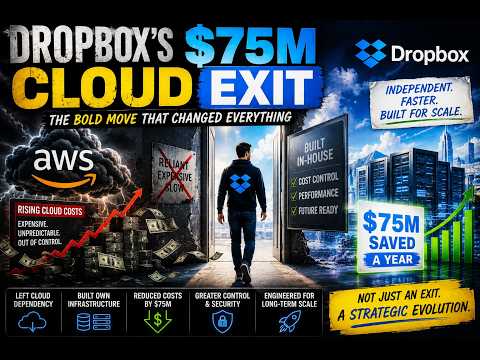
Dropbox has run its own storage since it moved most user data off Amazon's S3 onto an in-house system called Magic Pocket starting in 2015. Selling that kind of infrastructure to outside developers is a different business, and Tigris brings a working product, an existing customer list and a team that built storage at Uber.

Why it matters

If Dropbox can sell storage to AI developers, it turns two decades of internal plumbing into a business that competes with Amazon's S3.

Questions about this story

Free account needed to ask — your question is kept and asked for you right after sign-up. Answers are public.

No questions yet — be the first to ask.

Key Indicators

$350M
Acquisition price
Cash consideration for all outstanding Tigris equity, subject to customary purchase price adjustments.
~$31.9M
Tigris total funding raised
Including a $25 million Series A round announced in October 2025.
70,000+
Teams reached by Dropbox's updated AI experience
Dropbox says the refreshed product has reached more than 70,000 teams.
9%
Workforce cut in October 2026
Dropbox cut 9% of its global workforce the month before announcing the Tigris deal.

Voices

Curated perspectives — historical figures and your fellow readers.

Sign up to generate historical perspectives on this story.

People Involved

Organizations Involved

Timeline

2006 November 2026

7 events Latest: Today
Tap a bar to jump to that date
  1. Deal and DBX Agent Cloud announced

    Today Announcement

    Dropbox unveils the acquisition and a standalone object storage service for AI developers.

  2. Dropbox cuts 9% of workforce

    Business

    The company reduces headcount the month before announcing the Tigris deal.

  3. Tigris raises $25 million Series A

    Funding

    Spark Capital and Andreessen Horowitz back the storage startup.

  4. Tigris Data founded

    Company

    Three former Uber storage engineers start a company building S3-compatible storage for AI workloads.

  5. Dropbox starts moving data off S3

    Infrastructure

    Dropbox begins shifting more than 90% of user data to its in-house Magic Pocket system.

  6. Amazon launches S3

    Market

    Object storage becomes a rentable utility, setting the interface later storage providers copy.

Scenarios

1

Deal closes and DBX Agent Cloud sells object storage

Likely Resolves by Q2 2027

Discussed by: Dropbox executives and trade press covering the announcement

Dropbox closes the Tigris purchase in the fourth quarter of 2026 and launches standalone object storage under DBX Agent Cloud, using Tigris technology underneath. Existing Tigris customers stay on the service, and Dropbox begins adding filesystem and content-processing features for AI agents.

2

Regulators stall the purchase past the fourth quarter

Unlikely Resolves by End of 2026

Discussed by: Dropbox's own forward-looking risk disclosures in its SEC filing

The deal is small enough that a lengthy antitrust review is unlikely, but Dropbox's filing lists the possibility that closing conditions are not met or the transaction does not close on the expected timeline. A delay would push DBX Agent Cloud's underlying technology into limbo.

3

Tigris customers leave for rival storage

Possible Resolves by Q2 2027

Discussed by: Tigris customers and cloud-infrastructure observers

Tigris's early customers include developer platforms and GPU providers that chose it partly to avoid lock-in. If Dropbox changes pricing, support or the product roadmap after closing, some could move to alternatives such as Cloudflare R2 or back to S3.

Historical Context

3 moments from history that rhyme with this story — and how they unfolded.

March 2006

Amazon launches S3 (2006)

Amazon turned storage it had built for its own retail business into a product any developer could rent by the gigabyte. S3 gave the world a common interface for object storage and made Amazon the default vendor for a generation of startups.

Then

Developers could store data without buying servers, and a wave of companies built on top of S3.

Now

S3 became the standard that competitors, including Tigris, are built to be compatible with.

Why this matters now

Dropbox is attempting the same move Amazon made: taking internal infrastructure and selling it to outside developers. Tigris's S3 compatibility is what makes that possible without asking customers to rewrite code.

2015-2016

Dropbox builds Magic Pocket (2015-2016)

Dropbox moved more than 90% of its user data off Amazon's S3 onto a storage system it built itself, called Magic Pocket. The company said the move improved performance and cut costs.

Then

Dropbox reduced its dependence on Amazon and gained control over its storage economics.

Now

The company proved it could run storage at scale, but running it for itself did not create a product to sell.

Why this matters now

Magic Pocket explains why Dropbox thinks it can compete in storage. The Tigris deal is meant to supply the piece Magic Pocket never had: a commercial product and developer customers.

September 2021

Cloudflare announces R2 storage (2021)

Cloudflare announced an object storage service built to be compatible with S3 but without the egress fees AWS charges when data leaves its cloud. The pitch targeted developers who move large datasets between providers.

Then

R2 gave developers a lower-cost alternative for data-heavy workloads and put egress pricing under scrutiny.

Now

Zero-egress storage became a recognized category, with multiple providers adopting the model.

Why this matters now

Tigris sells on the same promise: S3 compatibility with no egress fees. Dropbox is entering a market where that pitch is already established and competitors are already selling it.

Sources

(6)