
Pull to refresh
Logo
Cannabis use in ancient Siberia dated to 2,800 years ago

Cannabis use in ancient Siberia dated to 2,800 years ago

New Capabilities

Hair and seeds from a Scythian tomb show the earliest direct evidence of cannabis intoxication.

Overview

Updated 1 hour ago

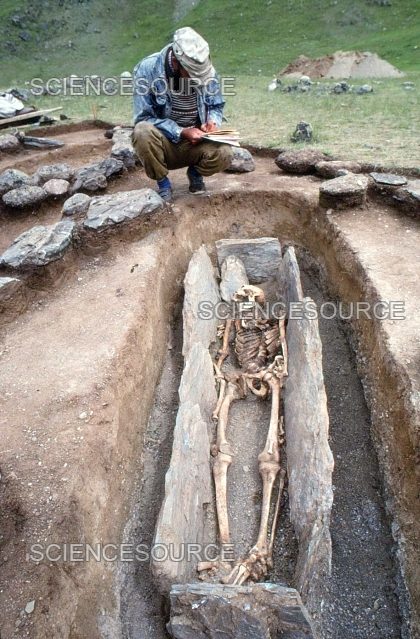
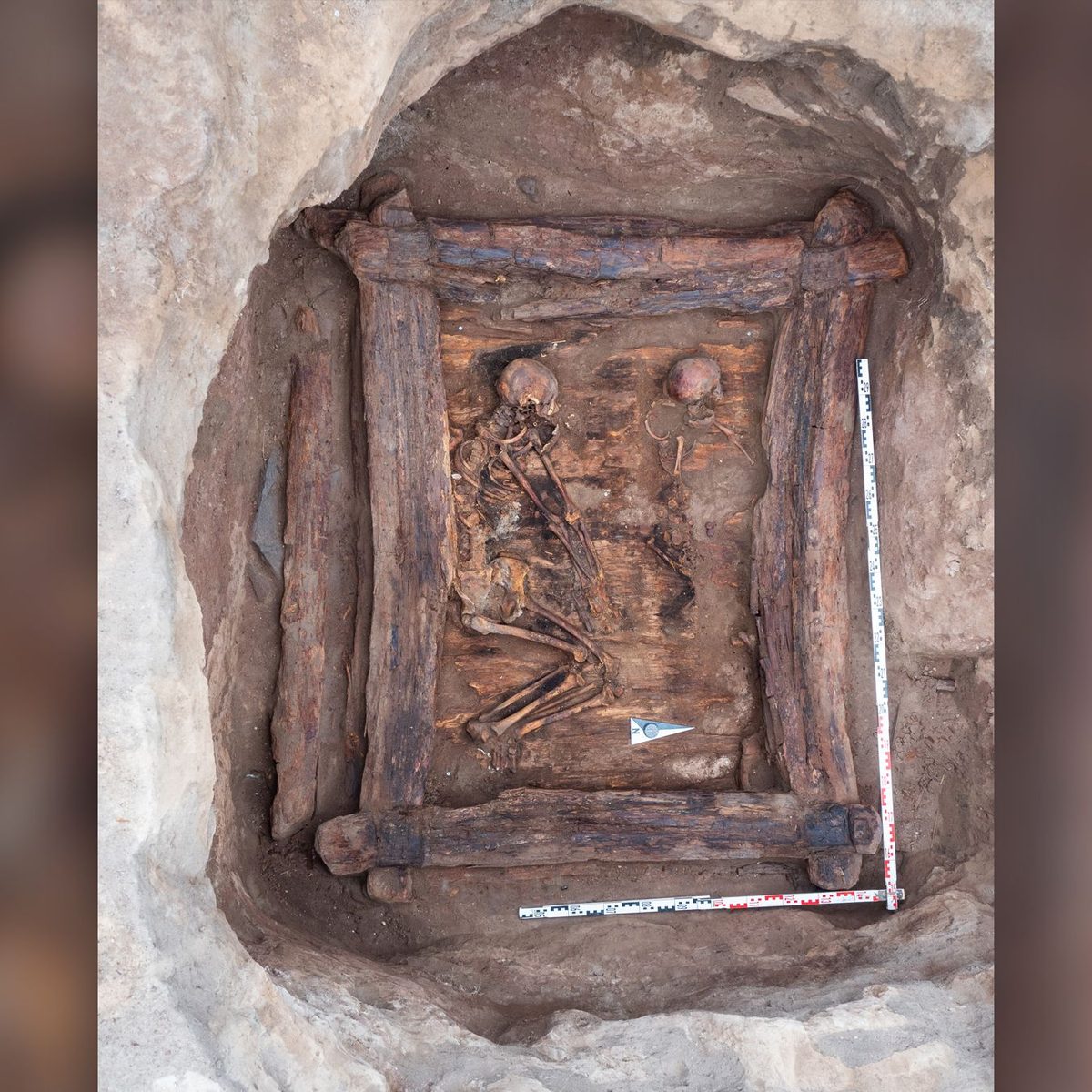
A Scythian burial mound in southern Siberia held about 1,000 cannabis seeds. Chemical traces in hair from the same tomb are consistent with people using the plant for its psychoactive compounds around 2,800 years ago, though one outside toxicologist says the traces could have come from being buried beside it.

The finding pushes direct evidence of cannabis intoxication back about 300 years. It also ties the plant to ritual burial and sacrifice, not just oil or fiber.

Why it matters

The find moves cannabis's intoxicating use back three centuries and ties it to Scythian ritual, not just hemp or seed oil.

Questions about this story

Free account needed to ask — your question is kept and asked for you right after sign-up. Answers are public.

No questions yet — be the first to ask.

Key Indicators

2,800 years ago
Age of earliest direct evidence
Radiocarbon dates place the seeds in the early eighth century B.C.
~1,000
Cannabis seeds recovered
The seeds came from a princely tomb in Tuva.
6
Seeds directly radiocarbon dated
The dates anchor the tomb to the early eighth century B.C.
18
Horses in earlier tomb report
A previous publication described 18 horse remains arranged on the mound.

Voices

Curated perspectives — historical figures and your fellow readers.

Sign up to generate historical perspectives on this story.

People Involved

Organizations Involved

Timeline

November 2026 800 BCE

3 events Latest: 3 days ago
  1. Cannabis seeds placed in Scythian tomb

    Upcoming Archaeology

    Radiocarbon dates place about 1,000 seeds in the early eighth century B.C.

  2. Study reports cannabis traces in tomb hair

    Latest Publication

    Science publishes analysis of seeds and hair from a princely tomb in Tuva.

  3. Researchers begin DNA sequencing of seeds

    Follow-up

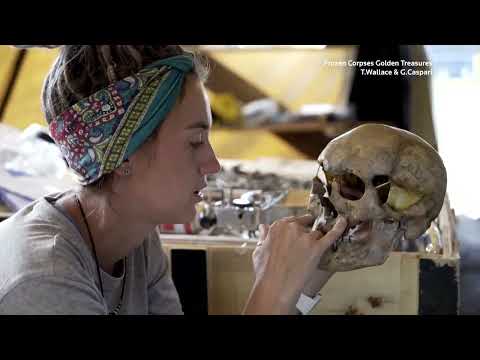
    Caspari says DNA preservation is excellent and sequencing has started.

Scenarios

1

DNA sequencing maps the tomb's cannabis population

Likely Resolves by End of 2027

Discussed by: Gino Caspari and the University of Bern

Caspari says DNA preservation in the seeds is excellent and sequencing has begun. A published analysis could show whether the plants came from a wild population with naturally high active compounds or from a selected variety.

2

Older direct evidence pushes the date back further

Possible Resolves by End of 2028

Discussed by: Adam Brumm and other archaeologists

Brumm says cannabis use may extend much further back than the archaeological record currently shows. A new excavation or reanalysis could find direct biomarkers older than the Siberian tomb.

3

Study pins down how the tomb's cannabis was consumed

Possible Resolves by Q2 2028

Discussed by: Study authors and New Scientist

The hair analysis shows cannabis compounds entered the body, but not whether the person inhaled smoke or ingested seeds. Later Central Asian sites have censers with cannabinoid residue, which could guide a search for a smoking device at this tomb.

Historical Context

3 moments from history that rhyme with this story — and how they unfolded.

c. 500 BCE

Chinese braziers (c. 500 BCE)

Wooden braziers from China held chemical traces of cannabis, suggesting funeral-rite smoking about 2,500 years ago. The find was the oldest firm evidence of cannabis as a drug before the Siberian tomb.

Then

The braziers established inhalation as a ritual practice in Central Asia.

Now

They set the benchmark that the Siberian hair analysis now pushes back by about 300 years.

Why this matters now

The new tomb adds direct biomarkers in human hair, not just residue on a vessel.

c. 25,000 years ago

Betel nut chewing in Indonesia (c. 25,000 years ago)

People in Indonesia chewed betel nuts, leaving chemical traces in teeth, according to research by Adam Brumm. It showed plant drug use can leave direct biomarkers in human remains.

Then

The find extended evidence of plant drug use deep into prehistory.

Now

It demonstrated that biomolecular traces in the body can prove consumption.

Why this matters now

The Siberian hair analysis uses the same logic: compounds in hair show the plant entered the body.

c. 4000 BCE

East Asian hemp cultivation (c. 4000 BCE)

Cannabis was cultivated in East Asia at least 6,000 years ago, likely for oil-rich seeds and fiber. That established long use of the plant without proving psychoactive consumption.

Then

Hemp and seed oil became the documented uses of early cannabis.

Now

Archaeologists separated plant cultivation from evidence of intoxication.

Why this matters now

The Siberian tomb is the first direct evidence that the plant's intoxicating compounds were also used.

Sources

(8)