
Pull to refresh
Logo
DR Congo's deadliest Ebola outbreak as conflict hampers containment

DR Congo's deadliest Ebola outbreak as conflict hampers containment

Force in Play

Bundibugyo strain with no approved vaccine has killed more than 4,000 across seven provinces since May

2 days ago: Death toll surpasses 4,000

Overview

Updated 1 hour ago

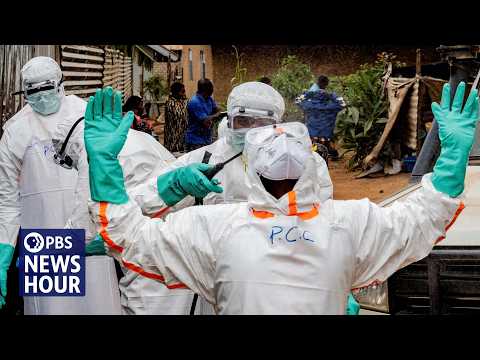
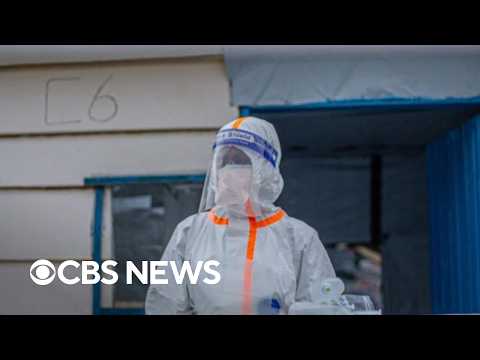
DR Congo's Ebola outbreak has killed more than 4,000 people, making it the country's deadliest on record. The virus, a Bundibugyo strain with no approved vaccine or treatment, has spread across seven provinces since the outbreak was declared May 15.

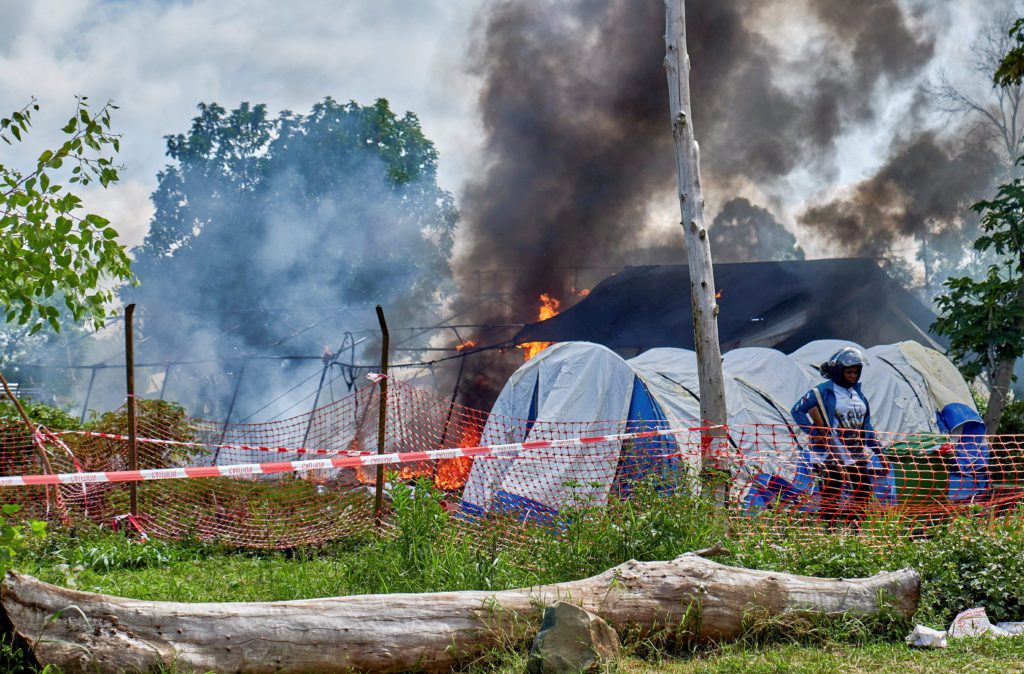
Weekly cases are falling from an August peak, but Africa CDC epidemiologists say the decline may reflect underreporting, not control. Insecurity has burned down a patient transit center, unpaid surveillance staff are striking, and infections are accelerating in North Kivu and Tshopo provinces.

Why it matters

If containment fails, the outbreak could spread beyond DRC and approach the scale of West Africa's 2014-2016 epidemic.

Questions about this story

Free account needed to ask — your question is kept and asked for you right after sign-up. Answers are public.

No questions yet — be the first to ask.

Key Indicators

4,018
Ebola deaths
Confirmed fatalities since the outbreak was declared May 15.
8,300
Confirmed cases
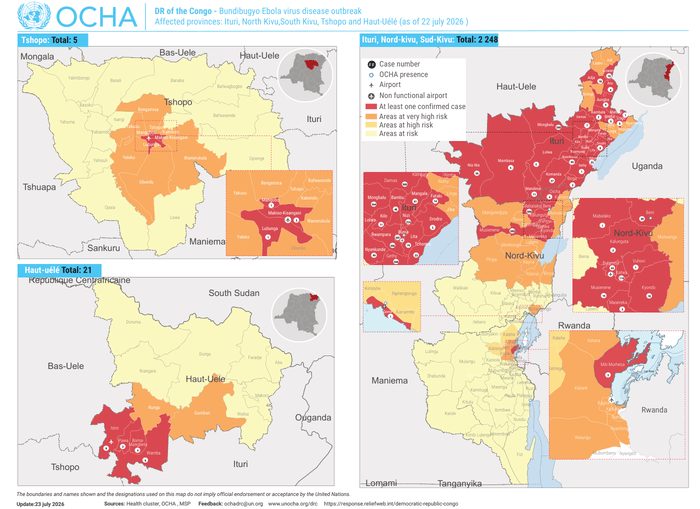
Infections recorded across seven provinces.
48.4%
Case fatality rate
National rate; climbs to 59.3% in North Kivu province.
7
Provinces affected
Bas-Uele, Haut-Uele, Ituri, North Kivu, South Kivu, South Ubangi and Tshopo.
364
Peak weekly deaths
Mid-August peak, down to 192 in the latest reporting week.
19,000
Displaced by center fire
People fled Kigonze camp after soldiers burned an Ebola transit center.

Voices

Curated perspectives — historical figures and your fellow readers.

Ever wondered what historical figures would say about today's headlines?

Sign up to generate historical perspectives on this story.

People Involved

Organizations Involved

Timeline

May 2026 October 2026

5 events Latest: 2 days ago
Tap a bar to jump to that date
  1. Death toll surpasses 4,000

    Latest Milestone

    DRC health ministry reports 4,018 deaths and 8,300 confirmed cases across seven provinces.

  2. Health workers protest unpaid wages

    Protest

    Surveillance team members in Ituri demand months of unpaid wages, waving placards reading "No money, no data!"

  3. Transit center burned in Kigonze camp

    Incident

    Soldiers searching for weapons burn an Ebola transit center in Kigonze camp, forcing 19,000 residents to flee.

  4. Weekly deaths peak at 364

    Measurement

    Weekly Ebola deaths hit 364, the highest point of the outbreak so far, according to Africa CDC figures.

  5. DRC declares Ebola outbreak

    Declaration

    Government announces an Ebola outbreak with cases confirmed in eastern provinces near the Uganda and Rwanda borders.

Scenarios

1

Decline reverses as surveillance gaps are confirmed

Likely Resolves by Jan 2, 2027

Discussed by: Wessam Mankoula (Africa CDC) and the Clarity analysis of contradictory trends

Mankoula and other officials warn the September drop may reflect underreporting, not control. Insecurity in Katwa, Beni, Butembo, Nizi and Nia-Nia blocks surveillance teams from reaching communities. If cases resume climbing in North Kivu and Tshopo, the outbreak could expand into new health zones.

2

Outbreak spreads beyond DRC borders

Possible Resolves by Apr 2, 2027

Discussed by: WHO, which raised the alarm about rapid spread into new health zones

Fighting has already restricted humanitarian access to health zones in Ituri province, including Fataki, Drodro and Lita. If containment fails in the eastern provinces near the Uganda and Rwanda borders, the virus could cross into neighboring countries. The WHO has said the current outbreak is on track to approach the scale of West Africa's 2014-2016 epidemic, which killed 11,000.

3

Outbreak declared over within six months

Possible Resolves by Apr 2, 2027

Discussed by: WHO and DRC health authorities pursuing containment; MSF published a plan for ending the outbreak

More than 21 days have passed without a new case in 18 health zones, and weekly case counts fell to their lowest level since mid-June. If security improves and vaccination and contact tracing expand, the outbreak could follow the standard trajectory toward declaration of the end. The WHO's criterion for declaring an Ebola outbreak over is 42 days without a new confirmed case.

Historical Context

2 moments from history that rhyme with this story — and how they unfolded.

December 2013 - June 2016

West Africa Ebola epidemic (2014-2016)

The largest Ebola outbreak in history began in Guinea and spread to Sierra Leone and Liberia, killing more than 11,000 people. It was the Zaire strain, which later gained an approved vaccine. The virus reached major cities and overwhelmed underfunded health systems across three countries.

Then

Closed borders, overwhelmed health systems, and more than 11,000 deaths across three countries.

Now

Spurred development of Zaire-strain vaccines and treatments and led to reforms in global outbreak response.

Why this matters now

The current outbreak is on track to approach this scale if containment fails, but it involves a strain without approved tools.

August 2018 - June 2020

North Kivu Ebola outbreak (2018-2020)

Previously DRC's deadliest Ebola outbreak, also centered in the eastern provinces. Armed groups attacked health workers and treatment centers, and community mistrust slowed contact tracing. It was eventually contained using a vaccine for the Zaire strain.

Then

Containment took years and required military escorts for response teams in insecure zones.

Now

Established vaccination as the key tool, but showed how armed conflict can prolong an outbreak.

Why this matters now

The same security constraints recur in 2026, but no vaccine or therapeutic exists for the Bundibugyo strain driving this outbreak.

Sources

(7)