


Pull to refresh
Logo
Eswatini parliament backs 12-month exit for non-compliant foreign shops

Eswatini parliament backs 12-month exit for non-compliant foreign shops

Rule Changes

The recommendation is not law, and the trade ministry can keep closing shops under the 2023 empowerment act

Overview

Updated 39 minutes ago

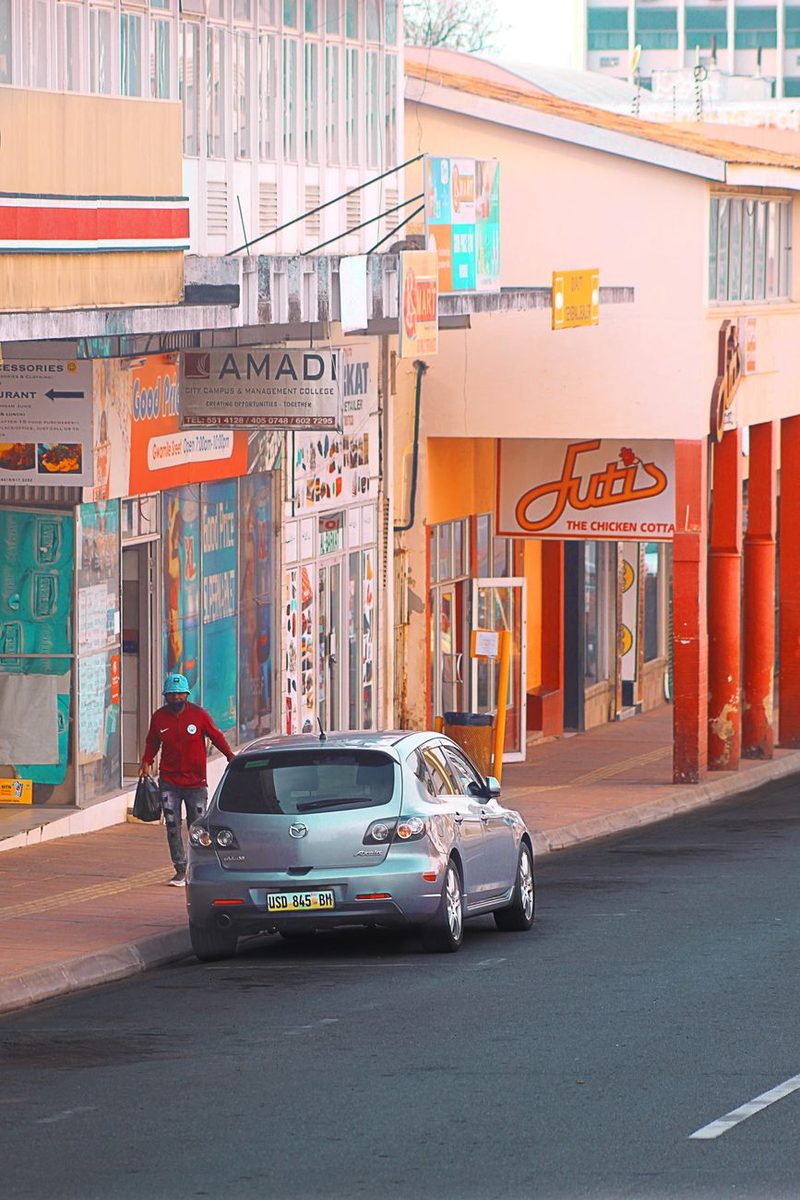
Eswatini's parliament has recommended that foreign-owned businesses found operating outside the law get 12 months to comply or close. The vote follows inspections the trade ministry began in August, which have already shut Asian-owned shops in towns and rural areas.

The recommendation is not law. The Citizen Economic Empowerment Act, passed in 2023, has not been amended to include a 12-month grace period, so the ministry can keep enforcing existing licensing rules. Draft regulations would go further, reserving retail businesses with annual turnover below E8 million for citizen-owned companies.

Why it matters

EmaSwati workers and rural customers depend on the shops now under review, in a country where about 70% live below the poverty line.

Questions about this story

Free account needed to ask — your question is kept and asked for you right after sign-up. Answers are public.

No questions yet — be the first to ask.

Key Indicators

12 months
Exit period recommended by parliament
Adopted during debate on the trade ministry's second-quarter performance report.
70%
Population below the poverty line
BBC estimate for the landlocked kingdom of about 1.2 million people.
E8m
Turnover threshold in draft retail rules
Draft regulations would reserve retail below this annual turnover for citizen-owned firms.
2023
Year the empowerment act passed
The Citizen Economic Empowerment Act was enacted three years before the inspections began.
0
Closure figures published by government
Officials have not said how many shops closed or how many workers were affected.

Voices

Curated perspectives — historical figures and your fellow readers.

Sign up to generate historical perspectives on this story.

People Involved

Organizations Involved

Timeline

2023 November 2026

5 events Latest: Today
Tap a bar to jump to that date
  1. Parliament adopts 12-month exit recommendation

    Today Decision

    The committee report carries a 12-month timeline. The law itself is unchanged, so enforcement continues.

  2. MPs split on how fast foreign traders should leave

    Debate

    Proposals range from six months to three years. Some MPs warn of job losses and empty shelves.

  3. Draft rules reserve small retail for citizens

    Policy

    Proposals would bar foreign businesses from retail with annual turnover under E8 million and from Swazi Nation Land.

Scenarios

1

Ministry keeps closing shops before the law changes

Likely Resolves by Nov 11, 2027

Discussed by: Times of Eswatini, BBC, Africa Briefing

Because the 12-month figure is a parliamentary recommendation rather than an amendment, the Ministry of Commerce, Industry and Trade can keep applying existing licensing rules. Inspections that began in August would continue, and shops found non-compliant would close on the current timetable rather than a year from now.

2

Parliament writes the 12-month grace period into law

Possible Resolves by Q2 2027

Discussed by: MPs across the debate, including Mamba and Welcome Dlamini

The recommendation becomes binding if the act or its regulations are amended to specify a 12-month compliance window. That would give affected owners a defined period to regularise licences, sell, or train successors, and would constrain the ministry's discretion to close shops immediately.

3

Draft retail ownership rules take effect

Uncertain Resolves by End of 2027

Discussed by: Africa Briefing, reporting on draft regulations presented to parliament

The draft regulations go beyond licensing compliance. They would reserve retail businesses with annual turnover below E8 million for citizen-owned companies, bar foreign businesses from Swazi Nation Land, and require majority citizen ownership in some larger ventures. Gazetting them would convert a licensing exercise into a structural ownership rule.

Historical Context

2 moments from history that rhyme with this story — and how they unfolded.

2008

Zimbabwe's Indigenisation and Economic Empowerment Act (2008)

Zimbabwe required foreign-owned firms above a set asset value to sell 51% stakes to indigenous Zimbabweans. The rules were broad and applied across sectors, and enforcement was uneven.

Then

Compliance costs and uncertainty discouraged some foreign investment, and many firms negotiated exemptions or restructured.

Now

The 51% requirement was largely dropped in 2018 for most sectors, retained only for diamonds and platinum.

Why this matters now

Eswatini's empowerment act follows the same logic of transferring ownership by law. Zimbabwe's experience shows how much depends on whether rules are applied broadly or negotiated case by case.

2020s

South Africa's informal-trade enforcement (2020s)

South African authorities and self-organised groups raided, arrested and disrupted foreign-run informal businesses. The BBC describes the enforcement as more severe than Eswatini's.

Then

Shops closed, stock was lost, and migrant traders and their employees lost income.

Now

Enforcement remained contested, with courts and police sometimes caught between local campaigns and the rights of traders.

Why this matters now

Eswatini's parliament cited regional precedent. South Africa shows the range of outcomes once enforcement moves from licence checks to removing traders by nationality.

Sources

(5)