


Pull to refresh
Logo
Ethiopia opens first gold refinery to process gold at home

Ethiopia opens first gold refinery to process gold at home

New Capabilities

The $50 million Addis Ababa plant can refine 600 tonnes of precious metals a year — more than 13 times Ethiopia's annual gold output

2 days ago: Ethiopia inaugurates National Precious Metals Refinery

Overview

Updated 1 hour ago

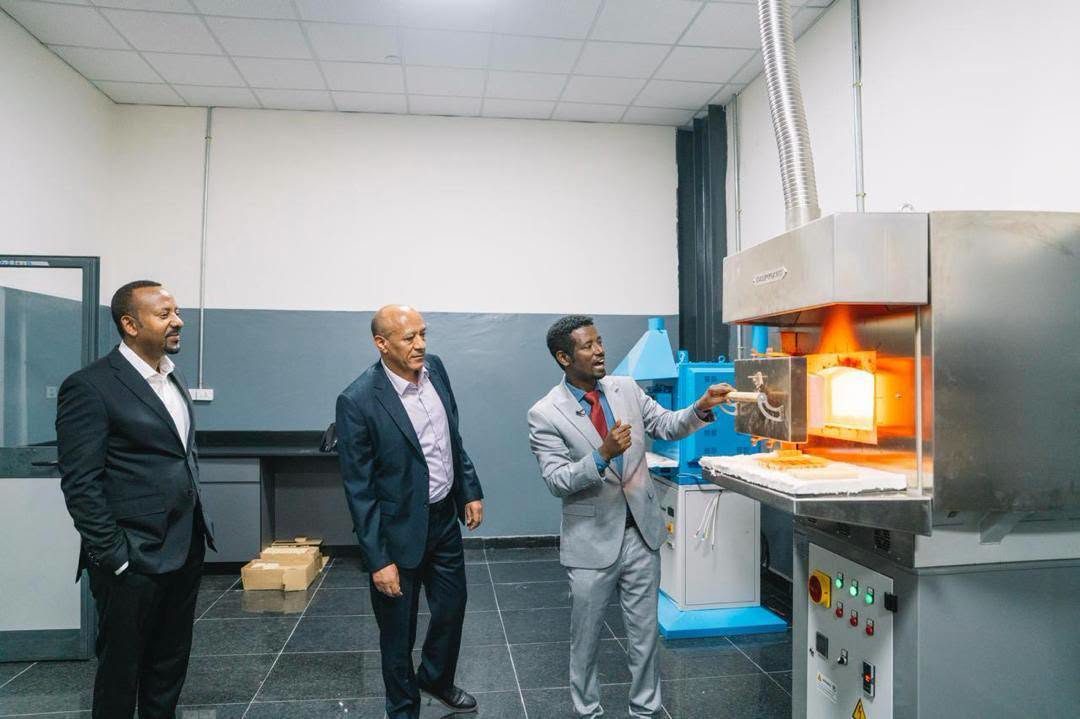
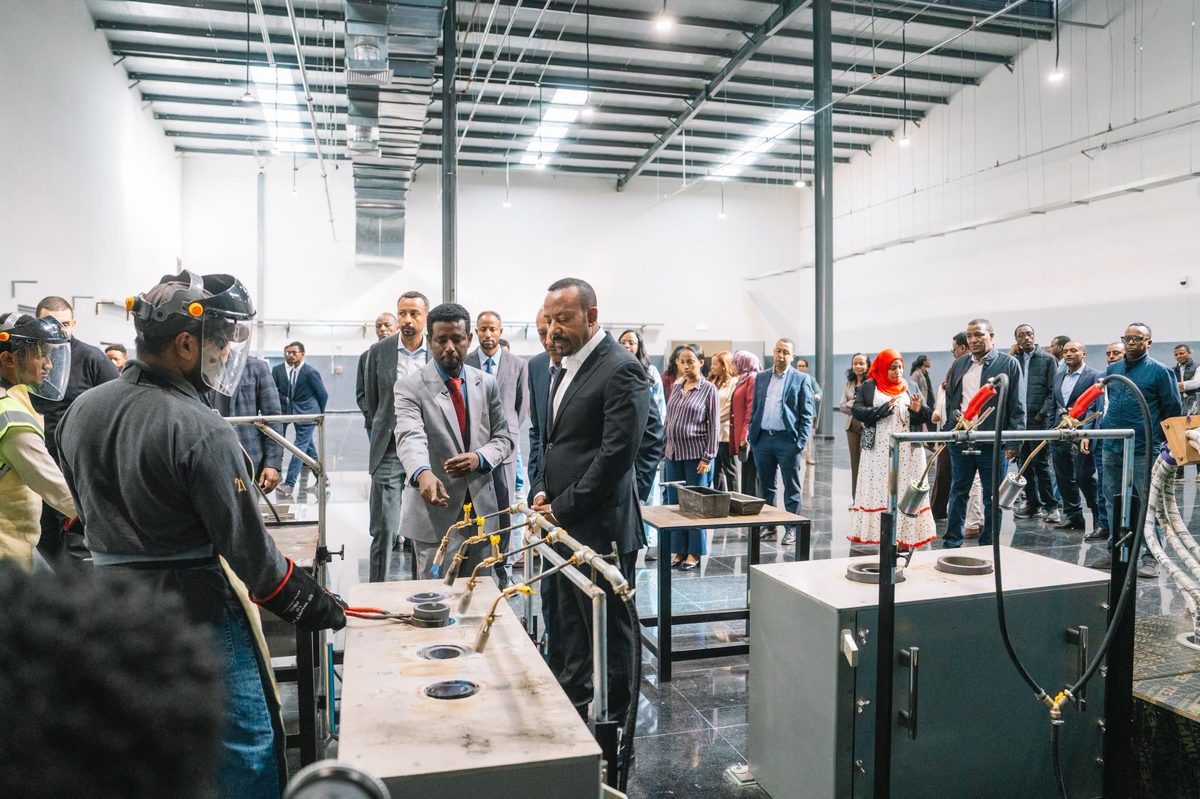
Ethiopia switched on its first precious metals refinery on October 10, closing a decades-old routine of shipping raw gold to Dubai for processing. The $50 million plant in Addis Ababa's Bole Lemi Special Economic Zone can refine 600 tonnes of precious metals a year, more than 13 times the 44 tonnes of gold Ethiopia itself produced last fiscal year.

The state holds 51% of the plant; Dubai-based Sam Precious Metals owns the rest. The government says refining at home will let Ethiopia sell certified bullion at roughly double the price of raw gold, recover by-products like silver, and pull in ore from neighboring countries.

Why it matters

Ethiopia exports about $5.6 billion of gold a year; refining locally could roughly double the value its gold fetches abroad.

Questions about this story

Free account needed to ask — your question is kept and asked for you right after sign-up. Answers are public.

No questions yet — be the first to ask.

Key Indicators

$50M
Initial investment
Joint venture between Ethiopian Investment Holdings and Sam Precious Metals.
600+ tonnes
Annual refining capacity
Installed design capacity, far above Ethiopia's 44-tonne annual gold output.
51%
State ownership stake
Ethiopian Investment Holdings owns 51%; Sam Precious Metals holds 49%.
$5.6B
Gold export earnings, last fiscal year
Roughly half of Ethiopia's $11 billion in merchandise exports.
44.07 tonnes
Gold produced in 2025/26
Traditional miners produced 40.86 tonnes; licensed companies 3.2 tonnes.

Voices

Curated perspectives — historical figures and your fellow readers.

Ever wondered what historical figures would say about today's headlines?

Sign up to generate historical perspectives on this story.

People Involved

Organizations Involved

Timeline

1 event Latest: 2 days ago
  1. Ethiopia inaugurates National Precious Metals Refinery

    Latest Infrastructure

    The $50 million, 600-tonne-capacity plant opens at Bole Lemi, with the state holding 51% and Sam Precious Metals 49%.

Scenarios

1

Ethiopia's refinery becomes East Africa's processing hub

Possible Resolves by Oct 10, 2027

Discussed by: Ethiopian government statements; Prime Minister Abiy Ahmed

The 600-tonne capacity is built around attracting gold from neighboring countries and regional mining companies, who bring ore for refining, certification and sale. For that to happen, the refinery must match Dubai's costs and turnaround times, establish trust in its certificates, and persuade miners the premiums justify the switch. Abiy has said the plant could support up to $80 billion of exports a year if enough gold flows in.

2

Refinery runs far below capacity as smuggling and Dubai competition persist

Possible Resolves by Oct 10, 2027

Discussed by: AFNIS Insights; Ukumbi Afrika analysis

The facility's economics depend on actual volumes, not installed capacity. AFNIS notes that competing with established refiners on cost, turnaround time and certification is hard, and that weak traceability could cut access to high-standard markets. If most gold keeps flowing through informal channels or to Dubai, the plant processes little more than the 44 tonnes Ethiopia produces itself.

3

International accreditation unlocks premium markets

Uncertain Resolves by Oct 10, 2028

Discussed by: AFNIS Insights

Reliable traceability and recognized certification are the gateways to high-standard international buyers. If the refinery earns a place on an accepted international accreditation list, its bars become directly saleable to bullion banks and its certificates are trusted, broadening the buyer base. Weak controls would do the opposite and limit where the gold can be sold.

Historical Context

3 moments from history that rhyme with this story — and how they unfolded.

January 2020

Indonesia's nickel ore export ban (2020)

Indonesia stopped exporting unprocessed nickel ore to force smelting investment at home. Chinese companies poured billions into processing plants on Sulawesi and neighboring islands.

Then

Smelting capacity surged and nickel export values rose; the European Union filed a World Trade Organization complaint over the ban.

Now

Indonesia extended export curbs to bauxite and copper concentrate, and its nickel processing complex became central to global battery supply chains.

Why this matters now

A live test of the same bet Ethiopia is making: restrict or redirect raw exports to capture downstream processing value at home.

2000s

Dubai's rise as a gold-refining hub (2000s)

Dubai built refining capacity near its Jebel Ali free zone and the Dubai Multi Commodities Centre, becoming a global center for melting and re-exporting gold, much of it shipped raw from African mines.

Then

Refiners including Kaloti and Emirates Gold grew into major buyers of African bullion.

Now

Dubai came to dominate gold refining across the region — the exact destination Ethiopia has relied on and now seeks to replace.

Why this matters now

Dubai is the established competitor, and its scale and certification standards set the bar Ethiopia must match.

2013

Botswana's diamond beneficiation (2013)

Under a new sales agreement, De Beers moved global sorting and valuing of rough diamonds to Gaborone. Botswana already co-owned the Debswana mines with De Beers.

Then

Hundreds of specialized jobs and a trading floor shifted to Gaborone, keeping more diamond revenue in Botswana.

Now

It became a reference case for African resource beneficiation, though Botswana never captured full polishing or jewelry manufacturing.

Why this matters now

Shows an African country extracting more value from its minerals by hosting processing within its borders — and the limits of that approach.

Sources

(11)