

Pull to refresh
Logo
Daily Brief
Following
Why Sign Up
TotalEnergies and EPH close flexgen joint venture, creating Europe's #2 dispatchable power operator

TotalEnergies and EPH close flexgen joint venture, creating Europe's #2 dispatchable power operator

Money Moves
By Newzino Staff |

A €10.6 billion deal turns a Czech-owned gas and battery portfolio into a five-country backup-power giant headquartered in Amsterdam

Today: Deal closes; TTEP joint venture launches

Overview

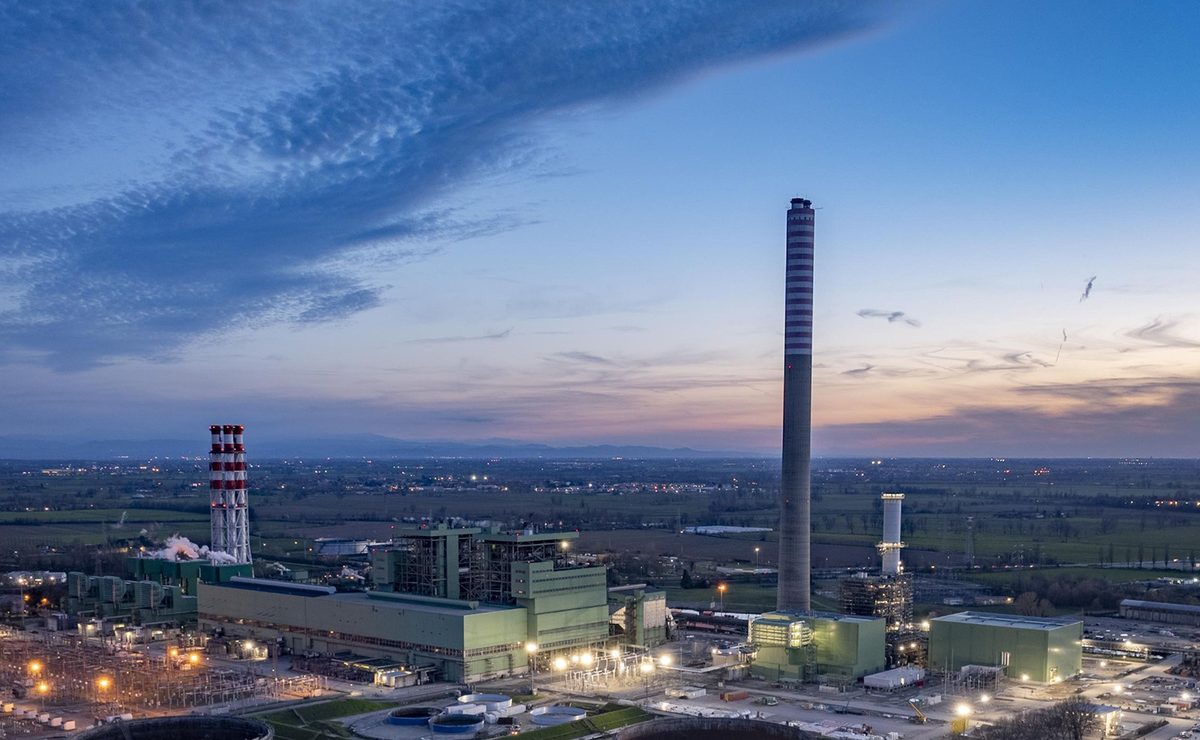
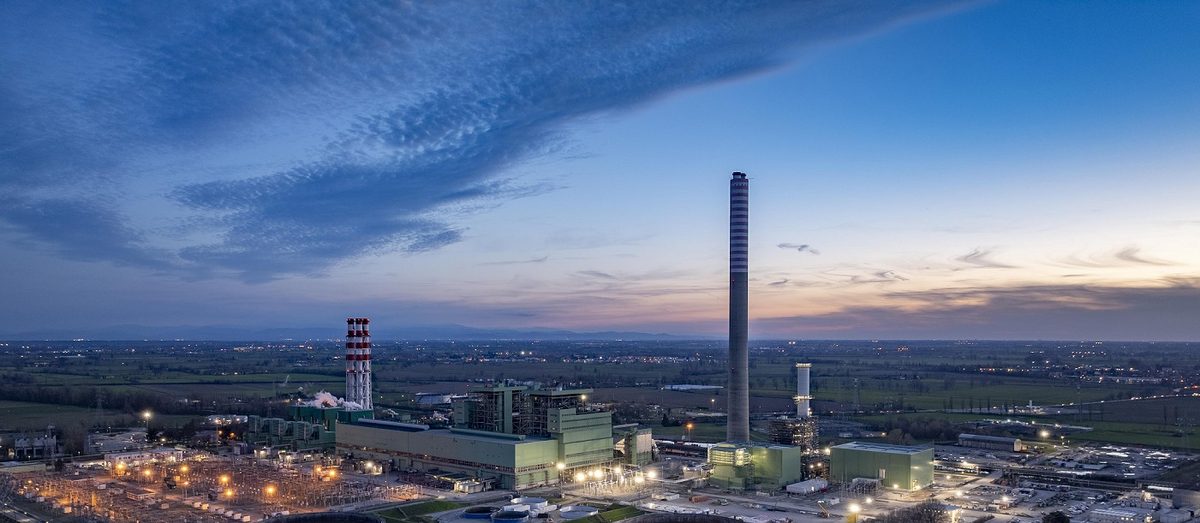
Five months after announcing the deal, TotalEnergies and Czech billionaire Daniel Křetínský's EPH closed their flexible-power joint venture on April 29, 2026. The new company, TTEP, is headquartered in Amsterdam, controls 14 gigawatts of operating or under-construction capacity across Italy, the UK, Ireland, the Netherlands, and France, and instantly becomes the second-largest operator of on-demand backup power in Europe.

Why it matters

Whoever owns Europe's backup-power fleet sets the price of keeping the lights on as renewables and AI data centers strain the grid.

Key Indicators

14 GW
Installed or under-construction capacity
Combined gas-fired, biomass, and battery storage capacity across five countries.
€10.6B
Enterprise value of the platform
Roughly 7.6 times the platform's projected 2026 earnings before interest, tax, depreciation, and amortization.
4.2%
EPH's new stake in TotalEnergies
About 95.4 million shares were issued to EPH, making it one of TotalEnergies' largest shareholders.
30 TWh
2025 electricity output
Annual production from the portfolio in 2025, projected to grow as new units come online.
#2
Rank in European flexible generation
Behind only the largest national incumbents in dispatchable power capacity.
5 GW
Development pipeline
Additional flexible-generation and battery projects earmarked for TTEP across the five-country footprint.

Interactive

Exploring all sides of a story is often best achieved with Play.

Ever wondered what historical figures would say about today's headlines?

Sign up to generate historical perspectives on this story.

Sign Up

Debate Arena

Two rounds, two personas, one winner. You set the crossfire.

People Involved

Organizations Involved

Timeline

  1. Deal closes; TTEP joint venture launches

    Transaction Close

    TotalEnergies issues approximately 95.4 million shares (4.2% of share capital) to EPH and the Amsterdam-based joint venture TTEP becomes Europe's second-largest flexible-generation operator.

  2. TotalEnergies and EPH announce €10.6 billion flexgen deal

    Deal Announcement

    Boards of both companies approve TotalEnergies' acquisition of 50% of EPH's Western European flexible-generation platform, with payment in newly issued TotalEnergies shares.

  3. Total renames itself TotalEnergies

    Strategy

    The French major signals a pivot beyond oil into integrated power, gas, and renewables, setting the strategic backdrop for later flexgen acquisitions.

  4. EPH founded in Prague

    Origin

    Daniel Křetínský and partners launch EPH, beginning a multi-year strategy of buying thermal generation assets that European utilities were divesting.

Scenarios

1

TTEP becomes Europe's price-setter for backup power as data center demand surges

Discussed by: Industry analysts at Wood Mackenzie, Aurora Energy Research, and the IEA

If hyperscaler-driven electricity demand keeps outpacing new firm capacity, capacity-market clearing prices in the UK, Italy, and Ireland rise sharply. TTEP's 14 gigawatts of dispatchable assets and 5 gigawatts of pipeline projects let TotalEnergies and EPH capture much of that scarcity premium, while also offering balance-sheet capacity for new gas plants other developers cannot finance.

2

Carbon pricing and gas price volatility squeeze flexgen margins despite scarcity

Discussed by: European climate policy researchers and Bruegel analysts

EU emissions trading prices keep climbing toward €150 per tonne while LNG remains volatile. Flexgen plants run fewer hours than expected because batteries and demand response cover more peaks. TTEP's economics still work on capacity payments, but the upside premium gets capped, and the joint venture leans more heavily on its 5 gigawatts of battery and biomass pipeline.

3

Regulators force structural separation between gas supply and power generation

Discussed by: Competition lawyers and DG COMP-watchers

If TotalEnergies' integrated chain — selling its own LNG into its own turbines and then its own electricity — draws scrutiny under EU competition or market-abuse rules, Brussels could require divestitures or transparency remedies. The risk is highest in markets like Italy and France where TotalEnergies already holds significant gas-supply positions.

4

EPH cashes out further, becoming a passive financial holder of TotalEnergies stock

Discussed by: Equity analysts at JPMorgan, Bernstein, and Czech business press

Křetínský uses the 4.2% TotalEnergies stake and ongoing tolling income to gradually exit the operating side, eventually selling the remaining 50% of TTEP to TotalEnergies or to an infrastructure fund. TotalEnergies ends up sole owner; EPH's center of gravity shifts to financial assets and other holdings.

Historical Context

RWE-E.ON asset swap (2018-2020)

March 2018 - September 2020

What Happened

Germany's two largest utilities, RWE and E.ON, executed a complex asset swap: E.ON took the retail and grid businesses of RWE's renewable subsidiary Innogy, while RWE took the renewables and conventional generation assets of both companies. The deal restructured roughly €40 billion in assets and reshaped European power generation along functional lines.

Outcome

Short Term

RWE emerged as a generation-focused company with Europe's largest renewables pipeline and a major fleet of gas and lignite plants. E.ON became a pure-play grids and retail company.

Long Term

Set the template for splitting integrated utilities into 'asset-heavy generation' and 'customer/network' businesses, and concentrated dispatchable thermal generation in fewer hands.

Why It's Relevant Today

TTEP repeats the underlying logic — concentrating dispatchable capacity in a specialist vehicle — but does it across borders and with a private holder rather than two listed utilities.

Engie's coal exit and gas pivot (2015-2025)

2015 - 2025

What Happened

French utility Engie spent a decade selling or closing its global coal fleet, including stakes sold to EPH, while building out flexible gas, batteries, and renewables in Europe. By 2025 it had commissioned one of the continent's largest battery parks at Vilvoorde and exited coal entirely.

Outcome

Short Term

Engie became a model for European utilities trying to combine renewable build-out with retained dispatchable capacity.

Long Term

Engie remains the benchmark Europe-wide flexible-generation operator that TTEP now ranks immediately behind.

Why It's Relevant Today

EPH was the buyer of choice for assets Engie and others sold during this period. The TotalEnergies deal effectively brings a major share of those previously-divested assets back into the orbit of a large listed major.

TotalEnergies' acquisition of Direct Energie (2018)

April-July 2018

What Happened

Total bought Direct Energie for €1.4 billion, gaining 2.6 million French electricity and gas customers and roughly 1.3 gigawatts of CCGT and renewable generation. It was the company's first major move into European retail power.

Outcome

Short Term

Total entered French power retail at scale and began building integrated upstream-to-customer chains.

Long Term

Established the strategy that the 2026 EPH deal completes — owning gas, generation, and customer relationships in the same markets.

Why It's Relevant Today

Shows the trajectory: from a single-country retail toehold in 2018 to a five-country flexgen platform in 2026, with each step lengthening the integration chain.

Sources

(8)