
Pull to refresh
Logo
New scans revive search for hidden chambers in Tutankhamun's tomb

New scans revive search for hidden chambers in Tutankhamun's tomb

New Capabilities

Microgravity and radar data suggest a sealed complex beyond the burial chamber; earlier scans found nothing and drilling awaits approval

3 days ago: New survey suggests hidden chambers beyond the tomb

Overview

Updated 1 hour ago

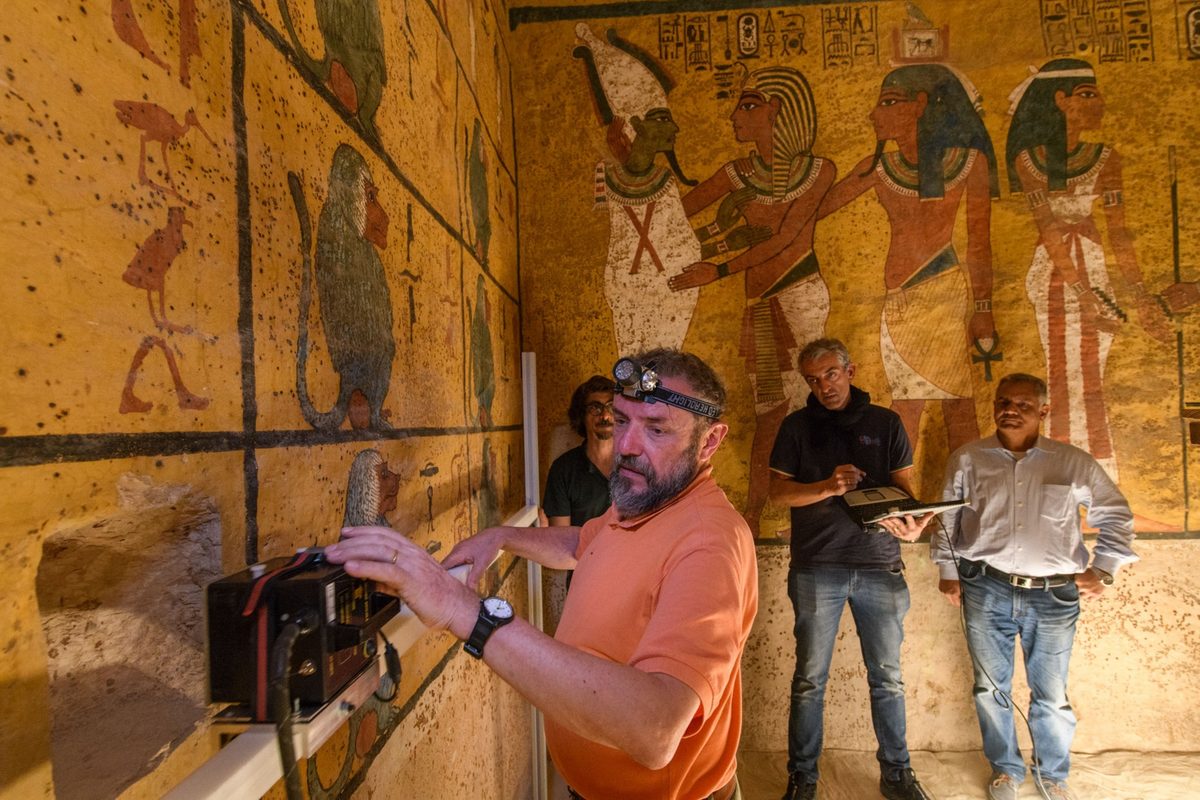
Eleven years after an Egyptologist proposed that walls in Tutankhamun's tomb hide sealed chambers holding Queen Nefertiti's burial, new scans point to hidden space beyond the burial chamber. The geophysical survey, published September 17, suggests a rubble-packed corridor and possible rooms a few meters beyond the tomb's walls.

The survey combines ground-penetrating radar with microgravity analysis, a technique that reads tiny variations in Earth's gravitational pull. Three earlier radar scans gave contradictory results. The only way to settle it is to drill through the tomb walls, a decision Egypt's Supreme Council of Antiquities could make as early as November.

Why it matters

If the chambers hold Nefertiti's burial, the find would rank among the most significant archaeological discoveries of the century.

Questions about this story

Free account needed to ask — your question is kept and asked for you right after sign-up. Answers are public.

No questions yet — be the first to ask.

Key Indicators

4
Geophysical surveys of KV62 since 2015
Three earlier radar scans gave contradictory results; the fourth pairs radar with microgravity analysis.
1,200
Microgravity readings around the tomb
Collected over a 35-square-meter area in and around the burial site.
11
Years since Nicholas Reeves proposed hidden chambers
His 2015 theory placed Nefertiti's burial behind a false wall in KV62.
Anomaly 7
The most suggestive feature in the new data
A low-density zone containing a high-density square, possibly a chamber filled with objects.

Voices

Curated perspectives — historical figures and your fellow readers.

Ever wondered what historical figures would say about today's headlines?

Sign up to generate historical perspectives on this story.

People Involved

Organizations Involved

Timeline

November 1922 September 2026

5 events Latest: 3 days ago
Tap a bar to jump to that date
  1. New survey suggests hidden chambers beyond the tomb

    Latest Study

    Nature reports combined microgravity and radar data point to a rubble-filled corridor and possible chambers; drilling decision rests with Egypt's antiquities council.

  2. Third radar survey also finds nothing

    Survey

    University of Turin researchers scan KV62 from inside and conclude no hidden chambers exist adjacent to the tomb.

  3. Second radar survey finds no chambers

    Survey

    A ground-penetrating radar study commissioned by the National Geographic Society fails to confirm hidden chambers in KV62.

  4. Reeves proposes Nefertiti's burial behind a false wall

    Theory

    British Egyptologist Nicholas Reeves argues KV62 was built for Nefertiti and that the burial chamber's north wall hides deeper rooms.

  5. Discovery of Tutankhamun's tomb

    Discovery

    Howard Carter finds the entrance to KV62 in the Valley of the Kings, the first near-intact royal tomb discovered in modern times.

Scenarios

1

Drilling Confirms Hidden Chamber Beyond Tutankhamun's Tomb

Uncertain Resolves by Q2 2027

Discussed by: George Ballard and Mamdouh Eldamaty, the study's lead authors, and Nature's reporting

The Supreme Council of Antiquities approves drilling in November. Cameras on small tractors enter the suspected corridor and find artificial chambers. If they hold artifacts or inscriptions linked to Nefertiti, Reeves' 2015 theory is validated and the discovery becomes one of Egyptology's most significant in a century.

2

Drilling Reveals Solid Rock, Vindicating 2018 Negative Result

Possible Resolves by Q2 2027

Discussed by: Christopher Gaffney of the University of Bradford and the University of Turin's 2018 study

Drilling or further scanning finds natural limestone with no artificial chambers. The 2018 radar survey, which found no hidden chambers, is validated, and the new microgravity readings are attributed to natural rock features or nearby tombs.

3

Supreme Council Blocks or Delays Drilling, Debate Continues

Possible Resolves by End of 2026

Discussed by: Nature, which noted the decision rests with the Supreme Council of Antiquities

The council declines to approve drilling or defers it, wary of damaging KV62's paintings and structure. Without physical confirmation, the study remains suggestive evidence. The geophysical debate over what lies behind the walls continues unresolved.

Historical Context

3 moments from history that rhyme with this story — and how they unfolded.

November 1922

Discovery of Tutankhamun's tomb (1922)

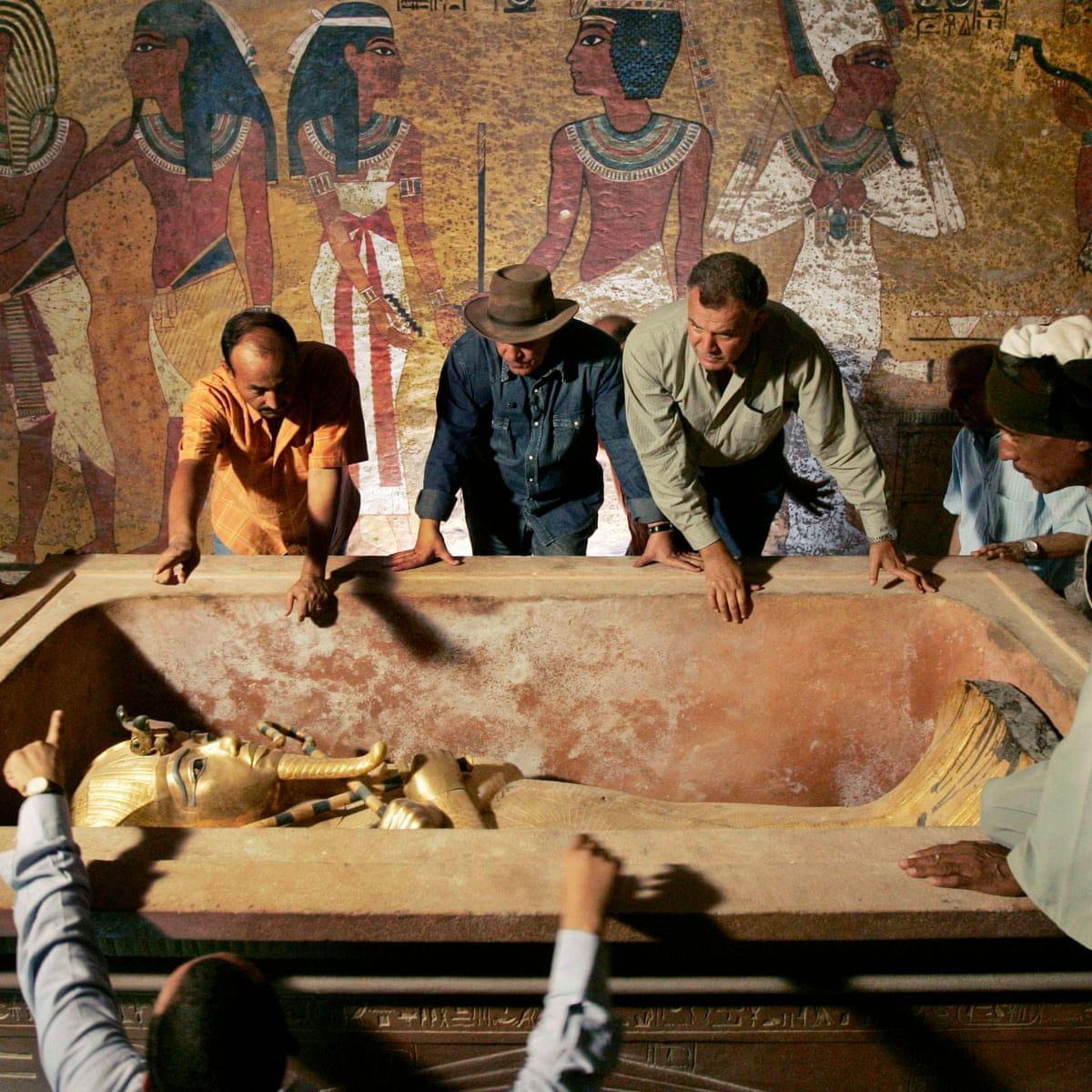
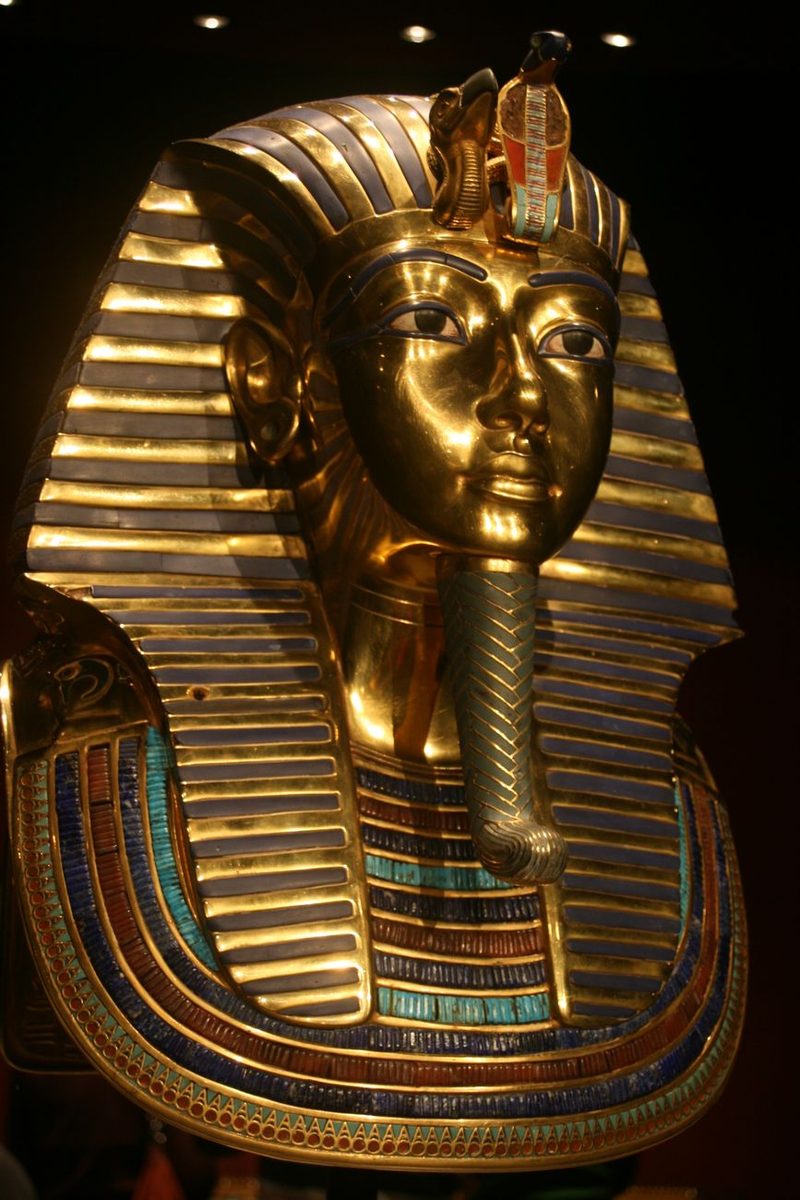
On November 4, 1922, Howard Carter found the steps to KV62 after years of searching in the Valley of the Kings. The tomb contained a nearly intact royal burial, the first found in modern times, with thousands of objects including the gold mask that made Tutankhamun famous.

Then

The discovery reshaped Egyptology and made Tutankhamun a global cultural icon.

Now

The tomb's small size puzzled researchers for a century and is the puzzle at the center of today's debate.

Why this matters now

The tomb's unusual layout is exactly what led Reeves to argue it hides a larger, earlier burial.

1995 to present

KV5 tomb discovery (1995–present)

In 1995, Kent Weeks' Theban Mapping Project re-examined KV5, long dismissed as a small and insignificant tomb in the Valley of the Kings. It proved to be the largest tomb ever found in Egypt, with more than 100 chambers, and excavation continues today.

Then

The discovery overturned initial assessments of a tomb's size and complexity.

Now

It showed that Valley of the Kings tombs can extend far beyond early maps and initial impressions.

Why this matters now

KV62, dismissed as unusually small for a royal burial, could similarly extend further underground than its first excavators realized.

September 2002 – 2011

Great Pyramid robot drilling (2002–2011)

In September 2002, a National Geographic–backed robot drilled through a small 'door' at the end of a shaft in the Great Pyramid's Queen's Chamber. Behind it lay a second door. A 2011 follow-up drilled further and found only empty space.

Then

The publicized drilling produced no hidden chamber, disappointing expectations built on the same kind of geophysical excitement.

Now

It became a cautionary tale about drilling into sealed spaces on suggestive but thin evidence.

Why this matters now

The same risk applies to KV62: drilling on the strength of new scans could find only solid rock, as the 2018 radar survey already suggested.

Sources

(7)