
c. 7400–6000 BCE
Çatalhöyük's plastered skulls (c. 7th millennium BCE)
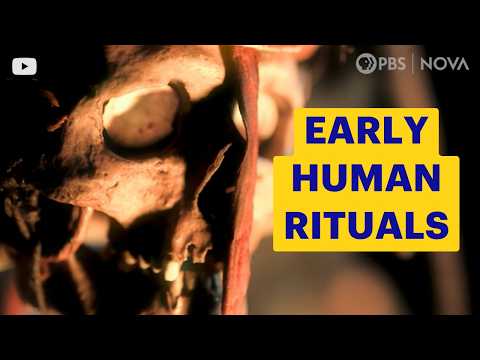
At this large Neolithic settlement in central Anatolia, excavators found burials beneath house floors and skulls that had been removed and plastered, some reused after death. For decades these were read as clear evidence of ancestor worship and a pervasive skull cult.
Then
The ritual reading dominated early interpretation of the site.
Now
As excavation continued, scholars documented varied, contingent burial practices and cautioned against reading a single ritual system into the remains — the same caution now applied to Göbeklitepe.
Why this matters now
Çatalhöyük shows how a skull-cult reading, built on partial evidence, can mask ordinary and varied burial behavior — exactly the revision the new Göbeklitepe burials propose.