
Pull to refresh
Logo
Daily Brief
Following
Why
Dust storms and highway visibility crashes in the American West

Dust storms and highway visibility crashes in the American West

Force in Play
By Newzino Staff |

Extreme winds and exposed soil create deadly zero-visibility hazards on interstate highways

3 days ago: Pueblo County Coroner identifies four victims

Overview

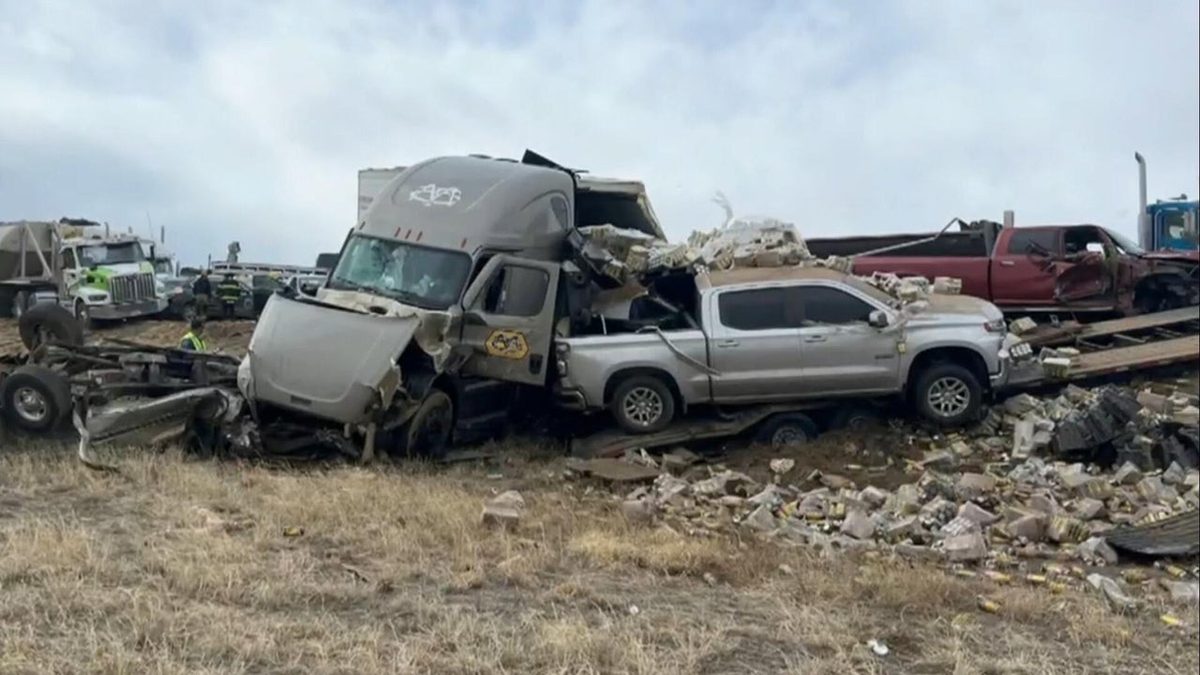
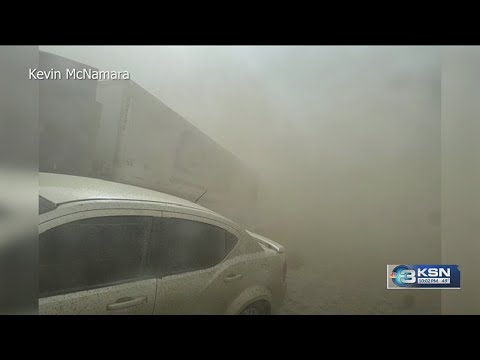
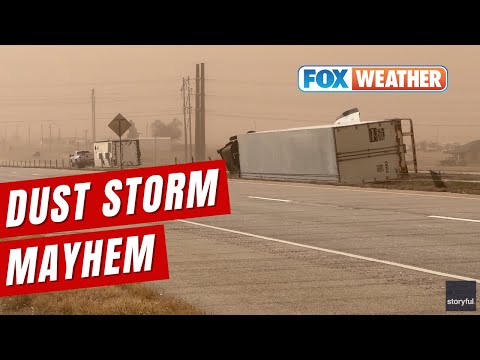
Four people died and 29 were hospitalized when 85-mph gusts swept across Interstate 25 near Pueblo, Colorado on February 17, 2026, creating a 'brownout' that reduced visibility to zero and triggered a 36-vehicle pileup including seven semi-trucks. The victims—a father and son from Walsenburg, and two women from nearby communities—were killed in a chain-reaction collision that unfolded in seconds as drivers entered a wall of airborne dirt they could not see through or stop in time to avoid.

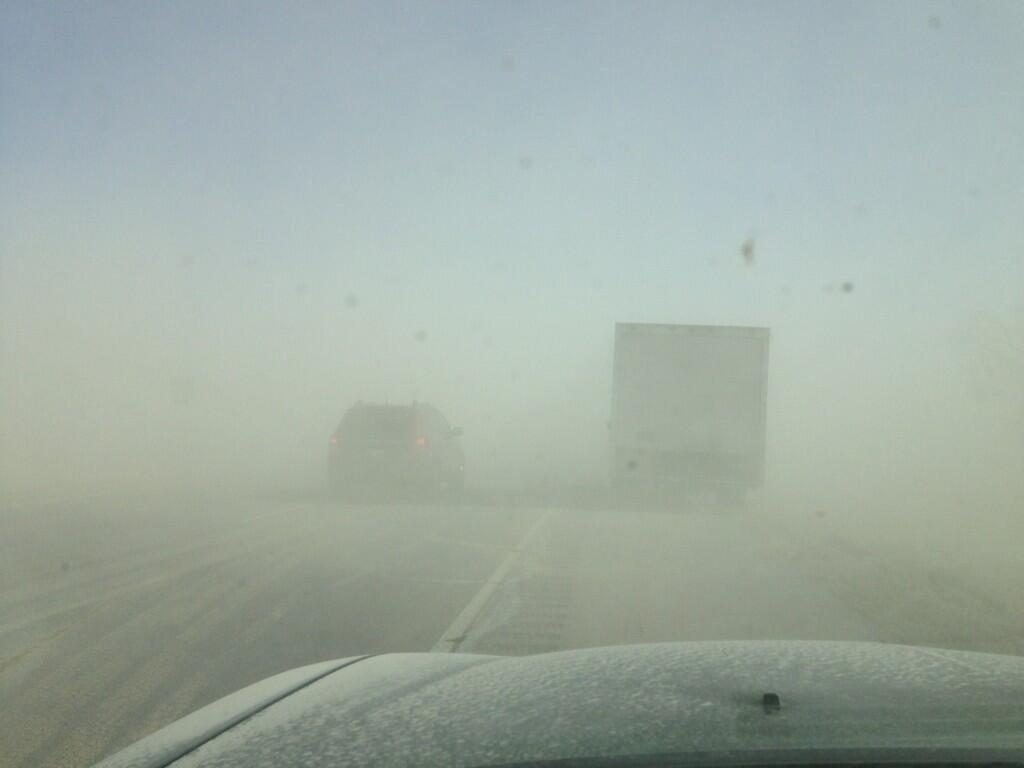
This is the pattern: agricultural dust and drought-exposed soil, extreme wind events, and high-speed interstate traffic that cannot stop in the 300 feet it takes for visibility to drop from clear to nothing. Since 2009, at least 18 people have died in major dust-related pileups on American highways. Arizona deployed the nation's first automated dust-detection warning system on I-10 in 2020, spending $6.5 million on sensors that detect storms 40 miles out and automatically reduce speed limits. Most vulnerable corridors—including Colorado's I-25—have no such technology, leaving drivers with no warning before entering zero-visibility zones.

Key Indicators

4
Deaths in Colorado pileup
Fatalities in the February 17, 2026 I-25 brownout crash near Pueblo
36
Vehicles involved
Total vehicles including seven semi-trucks in the Colorado pileup
85 mph
Peak wind gusts
Maximum recorded wind speeds during the February 2026 event
$6.5M
Arizona detection system cost
Price of the automated dust-detection system Arizona deployed on I-10 in 2020

Interactive

Exploring all sides of a story is often best achieved with Play.

Ever wondered what historical figures would say about today's headlines?

Sign up to generate historical perspectives on this story.

Sign Up

Debate Arena

Two rounds, two personas, one winner. You set the crossfire.

People Involved

DK
David L. Kirscht
Victim (Deceased)
Scott L. Kirscht
Scott L. Kirscht
Victim (Deceased)
Mary Sue Thayer
Mary Sue Thayer
Victim (Deceased)
KM
KarenAnn Marsh
Victim (Deceased)

Organizations Involved

Colorado State Patrol
State Law Enforcement Agency
Status: Investigating I-25 crash

The state agency responsible for highway safety enforcement and crash investigation in Colorado.

Colorado Department of Transportation
State Agency
Status: Managing highway closures and safety warnings

The state agency responsible for Colorado's highway infrastructure, maintenance, and safety messaging.

Arizona Department of Transportation
State Transportation Agency
Status: Operating dust detection warning systems

The state agency that pioneered automated dust storm detection and warning technology on American highways.

National Weather Service
Federal Agency
Status: Issued warnings prior to Colorado crash

The federal agency responsible for weather forecasting and severe weather warnings across the United States.

Timeline

  1. Pueblo County Coroner identifies four victims

    Investigation

    Victims identified as David and Scott Kirscht of Walsenburg, Mary Sue Thayer of Rye, and KarenAnn Marsh of Pueblo. Northbound I-25 remained closed for scene clearance.

  2. 36-vehicle pileup on I-25 kills four near Pueblo

    Major Incident

    Gusts up to 85 mph created brownout conditions at mile marker 92. A father and son from Walsenburg, and two women from Rye and Pueblo, were killed. Twenty-nine people were hospitalized.

  3. National Weather Service issues High Wind Warning

    Weather Alert

    The NWS Pueblo office issued a High Wind Warning effective until 2 p.m., forecasting sustained winds of 30-40 mph with gusts to 65 mph.

  4. CDOT activates high-wind warning message boards

    Safety Warning

    Colorado Department of Transportation began displaying warnings about high winds and Red Flag conditions on electronic message boards along I-25.

  5. Colorado closes I-25 and I-70 for high winds

    Road Closure

    CDOT ordered closures amid gusts exceeding 70 mph, restricting high-profile vehicles from I-70 between Deer Trail and the Kansas state line.

  6. Record-breaking March winds across central United States

    Weather Event

    Almost every city east of the Rockies recorded its windiest March on record, with over 1,500 reports of wind damage sent to the National Weather Service.

  7. Four die in I-10 dust storm crash near Phoenix

    Major Incident

    A multi-vehicle crash on I-10 near Tonopah, Arizona killed four people and injured several others during low-visibility dust conditions.

  8. Illinois I-55 dust storm pileup kills seven

    Major Incident

    Excessive winds blew dirt from farm fields across I-55 near Farmersville, Illinois, causing a 72-vehicle pileup that killed seven people and injured 37.

  9. Arizona deploys first-of-its-kind dust detection system

    Safety Milestone

    Arizona DOT activated automated dust-detection radar and visibility sensors on I-10 that can detect storms 40 miles away and automatically reduce speed limits.

  10. Haboob causes 19-car pileup on I-10, three dead

    Historical Incident

    A dust storm near Picacho Peak, Arizona caused a 19-vehicle crash that killed three people and injured a dozen others.

  11. Three I-10 pileups kill one, injure 15 near Picacho Peak

    Historical Incident

    A blinding dust storm caused three separate pileups involving dozens of vehicles on I-10 in Arizona. The incident prompted the 'Pull Aside, Stay Alive' campaign.

  12. Deadly I-10 dust storm pileup near Casa Grande, Arizona

    Historical Incident

    A haboob caused a multi-vehicle pileup on Interstate 10 between Phoenix and Tucson, marking the start of intensified focus on dust storm highway safety in Arizona.

Scenarios

1

Colorado Deploys Arizona-Style Dust Detection on I-25

Discussed by: Transportation safety advocates, CDOT engineers, Colorado Public Radio coverage of Eastern Plains drying

Following the Pueblo crash, Colorado allocates federal infrastructure funds to install automated dust detection radar and variable speed limit systems on I-25's most vulnerable corridors between Walsenburg and Pueblo. The $6-10 million investment mirrors Arizona's I-10 system, using sensors to automatically reduce speed limits when visibility drops. Implementation would take 18-24 months, leaving the corridor unprotected through at least two more high-wind seasons.

2

Lower Wind Thresholds for Highway Closures Adopted

Discussed by: Colorado State Patrol, trucking industry groups, NHTSA wind safety recommendations

CDOT revises its highway closure policy to shut down I-25 at lower wind thresholds, particularly when Red Flag conditions coincide with agricultural dust exposure. The current 70 mph sustained wind threshold for closures may drop to 50-55 mph during drought conditions. Trucking industry pushback over economic impacts could delay or water down the policy.

3

Federal Dust Storm Warning Standards Established

Discussed by: Federal Highway Administration, NOAA researchers, National Operations Center of Excellence

The February 2026 Colorado crash, combined with the 2023 Illinois and 2025 Arizona incidents, triggers federal action. The Federal Highway Administration issues guidance requiring states with documented dust-related crash histories to implement detection systems on vulnerable corridors. Grant funding prioritizes states with the highest dust storm frequency increases.

4

Recurring Crashes Continue Without Systemic Change

Discussed by: Transportation safety researchers, dust storm mortality analysts, highway infrastructure advocates

Without automated warning systems or lower closure thresholds, zero-visibility crashes remain a recurring risk during spring and winter wind events on exposed corridors. The I-25 stretch between Walsenburg and Pueblo sits in open agricultural land prone to dust lofting in high winds, and the February 2026 crash followed the same pattern as the 2023 Illinois and 2025 Arizona incidents—exposed soil, extreme gusts, and no advance warning for drivers.

Historical Context

Illinois I-55 Dust Storm Pileup (2023)

May 2023

What Happened

On May 1, 2023, excessive winds blew dirt from freshly plowed farm fields across Interstate 55 near Farmersville, Illinois, creating sudden zero visibility. A 72-vehicle pileup including multiple tractor-trailers killed seven people and injured 37 others, with ages ranging from 2 to 80 years old.

Outcome

Short Term

Illinois State Police determined agricultural dust was the direct cause. The crash renewed calls for windbreaks and cover crop requirements near highways.

Long Term

The incident demonstrated that dust storm crashes are not confined to the desert Southwest—any agricultural region with exposed soil and high winds is vulnerable.

Why It's Relevant Today

Both the Illinois and Colorado crashes involved agricultural dust crossing interstates during extreme wind events. Neither state had automated detection systems like Arizona's to warn drivers or reduce speeds.

Arizona I-10 Haboob Crashes (2011-2013)

2011-2013

What Happened

A series of deadly dust storm pileups on Interstate 10 between Phoenix and Tucson killed at least four people and injured dozens across multiple incidents. The October 2011 crash near Picacho Peak killed one and injured 15 in three separate pileups. A 2013 haboob at the same location killed three more.

Outcome

Short Term

Arizona DOT launched the 'Pull Aside, Stay Alive' public education campaign and began planning an automated detection system.

Long Term

By 2020, Arizona deployed a $6.5 million dust detection and warning system with radar, visibility sensors, and automated variable speed limits. The system has activated during an estimated 50 dust events and data shows motorists slow down when speeds are reduced.

Why It's Relevant Today

Arizona's experience proves that automated warning technology works and can be deployed cost-effectively. The question is why vulnerable corridors in other states—including Colorado's I-25—still lack such systems after years of documented risk.

1930s Dust Bowl Highway Deaths

1931-1939

What Happened

During the Dust Bowl, massive dust storms across the Great Plains caused numerous vehicle crashes and deaths as drivers were blinded by airborne topsoil. Poor land management and severe drought created conditions that mobilized millions of tons of soil.

Outcome

Short Term

Thousands of traffic crashes and deaths were attributed to dust storm visibility loss during the Dust Bowl years.

Long Term

The catastrophe led to the creation of the Soil Conservation Service (now NRCS) and widespread adoption of conservation practices including windbreaks, cover crops, and contour plowing.

Why It's Relevant Today

The 1930s showed that poor land management and severe drought can mobilize enough soil to shut down transportation corridors entirely. The I-25 corridor passes through similarly exposed agricultural land, and the February 2026 crash demonstrated that modern highways face the same basic vulnerability: when soil is loose and wind is strong, visibility drops faster than traffic can stop.

10 Sources: