


Pull to refresh
Logo
FCC opens 450 MHz band to drone control links and radar

FCC opens 450 MHz band to drone control links and radar

Rule Changes

A 3-0 vote replaces site-by-site aviation licenses with a nationwide drone data network run by one company, and clears ground radar at 24 GHz

Overview

Updated 7 hours ago

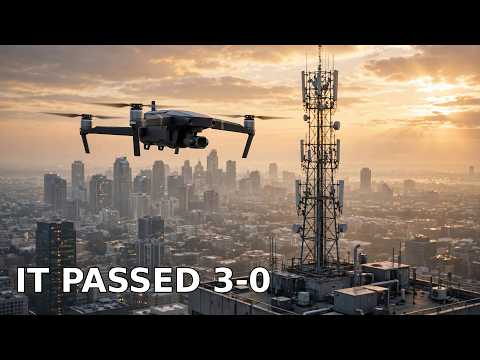
For decades the 450 MHz aviation band carried voice calls from general aviation aircraft at high altitude, and data links were banned. That kept drones off it. On November 19, the Federal Communications Commission (FCC) voted 3-0 to open 650 kilohertz of the band to command-and-control signals for drones and for piloted air taxis.

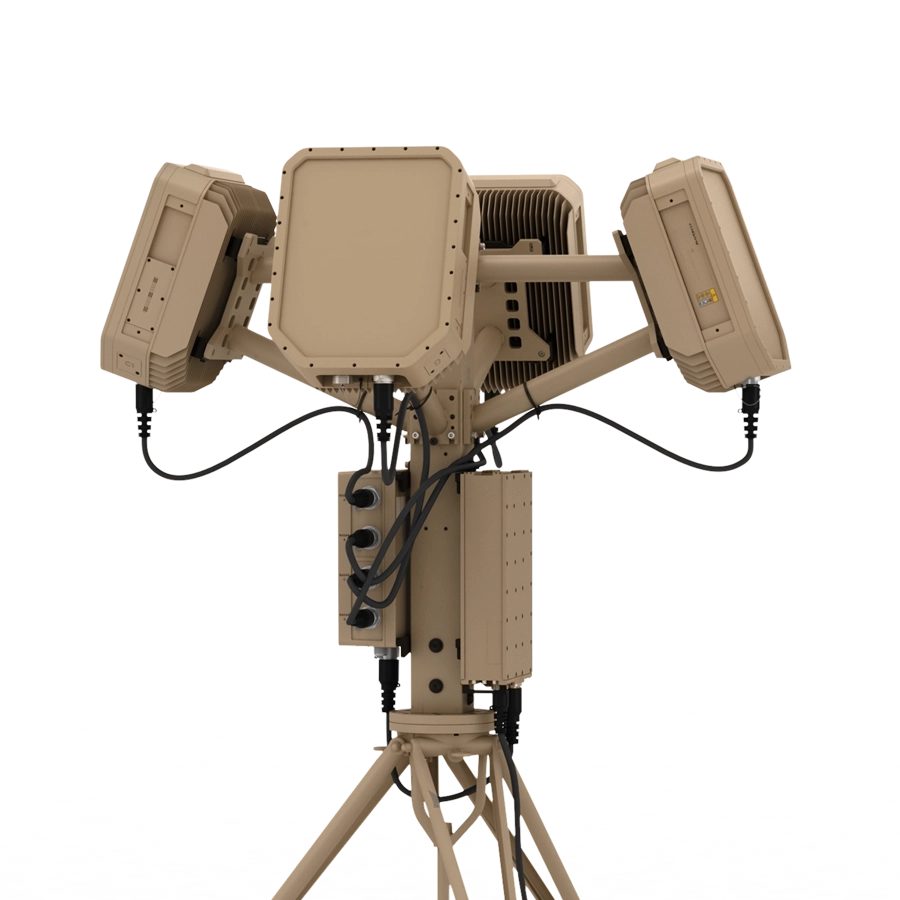
The same order lets ground-based radar use 24.45 to 24.65 GHz to find and track drones near airports, borders, prisons, stadiums and other infrastructure. It also updates rules in the 800 MHz band so airlines can offer faster in-flight broadband. Two things changed in practice: there is now a licensed channel for flight-safety data instead of shared Wi-Fi, and detection radar has a licensing path that does not require a waiver.

Why it matters

Drones flying beyond the pilot's sight need a licensed control link, not congested Wi-Fi. This order creates one, held by a single company.

Questions about this story

Free account needed to ask — your question is kept and asked for you right after sign-up. Answers are public.

No questions yet — be the first to ask.

Key Indicators

3-0
FCC vote on the order
Chairman Brendan Carr and Commissioners Anna Gomez and Olivia Trusty approved.
650 kHz
Spectrum opened at 450 MHz
Two paired segments: 454.6625–454.9875 MHz and 459.6625–459.9875 MHz.
54
Ground station licenses held by Aura
Aura Network Systems holds every license in the band and can convert them into one nationwide license.
70%
Low-altitude coverage required by year eight
One build-out option requires coverage at 400 feet over 70% of the lower 48 states and Hawaii.
$100M
Aura's stated investment in its network
The FCC cited the figure in deciding not to charge Aura for the expanded rights.

Voices

Curated perspectives — historical figures and your fellow readers.

Sign up to generate historical perspectives on this story.

People Involved

Organizations Involved

Timeline

October 2018 November 2026

6 events Latest: Yesterday
Tap a bar to jump to that date
  1. FCC adopts drone spectrum order, 3-0

    Latest Vote

    The order opens 450 MHz to drone data links, clears 24 GHz ground radar, and updates 800 MHz broadband rules.

  2. FCC opens cellular spectrum to drones

    Rulemaking

    A separate decision removes restrictions on drones using licensed cellular networks.

  3. Filing freeze hits the band

    Licensing

    A freeze blocks new license applications in the 450 MHz band; the order lifts it.

  4. FCC proposes opening 450 MHz to drones

    Rulemaking

    The commission proposes allowing command-and-control data links and a nationwide license framework.

  5. Aura wins a waiver to build at 450 MHz

    Licensing

    Aura Network Systems begins building its ground network; the FCC later cites more than $100 million invested.

  6. Echodyne asks FCC for 24 GHz ground radar

    Petition

    The radar maker petitions the FCC to allow ground-based radars in the 24.45 to 24.65 GHz band.

Scenarios

1

Aura trades 54 site licenses for one nationwide license

Likely Resolves by Nov 19, 2027

Discussed by: Aura Network Systems and FCC watchers covering the proceeding

The order makes conversion voluntary and treats it as a license change rather than an auction. Aura has every incentive to consolidate: one license covering the lower 48 states, Alaska, Hawaii and the territories, running up to 15 years, with no payment required because the FCC found no windfall. Watch for the filing itself, then for the coverage certifications that follow.

2

First 24 GHz drone-detection radar licensed without a waiver

Possible Resolves by Nov 19, 2027

Discussed by: Radar manufacturers Echodyne and MatrixSpace, which operated under waivers

The order allows fixed ground stations in the 24.45 to 24.65 GHz band to be licensed site by site under Part 90, with temporary-location licenses for trailer and vehicle setups. Airborne radar is turned down for now. Any grant would be the first time a drone-detection radar site in this band runs on a standard license rather than a waiver, and the license confers no authority to disable a drone.

3

Aura picks the high-altitude build-out, leaving 400-foot coverage optional

Possible Resolves by Nov 19, 2030

Discussed by: Aviation International News, which reported Aura expects little low-altitude demand

The FCC offered two build-out tracks. One requires coverage at 400 feet, the usual limit for small drones, over 35% of the lower 48 and Hawaii by year four and 70% by year eight. The other keeps existing coverage at 25,000 feet and adds 5,000-foot coverage over 50% by year four and 90% by year eight. Aura asked for the second option, and the FCC replaced the 400-foot requirement in one track with the 5,000-foot target.

Historical Context

3 moments from history that rhyme with this story — and how they unfolded.

October 2018

Echodyne's 24 GHz petition (October 2018)

Radar maker Echodyne asked the FCC to let ground-based radars operate in the 24.45 to 24.65 GHz band so sites could spot drones. The commission did not adopt rules. Echodyne and MatrixSpace ran their equipment under individual waivers instead.

Then

Drone-detection radar deployed only where the FCC granted case-by-case permission.

Now

The petition became the basis for the secondary radiolocation allocation adopted eight years later, in November 2026.

Why this matters now

It explains why the 24 GHz rules arrived as a waiver workaround first and a formal licensing category second, and why the order is deliberately narrow: fixed sites, spectrum only, no authority to bring a drone down.

2021

Aura's 450 MHz waiver (2021)

Aura Network Systems received an FCC waiver and began building ground stations in the 450 MHz aviation band, eventually holding all 54 licenses. The company says it has invested more than $100 million in the network since then.

Then

One company ended up holding every authorization in a band the rules had reserved for high-altitude voice traffic.

Now

The FCC cited that investment in declining to charge Aura for the expanded nationwide rights, and set coverage deadlines in place of a payment.

Why this matters now

A single-licensee band is the unusual structure behind the November 2026 order. The build-out deadlines, and the automatic loss of the license at year eight, are the conditions attached to that structure.

Through November 2026

Voice-only rules for the 450 MHz aviation band (through 2026)

The band's general aviation air-ground service rules were written site by site and limited service to voice communications from aircraft at high altitudes. That barred data links and effectively barred wide-area, low-altitude service for uncrewed aircraft.

Then

Drone operators used unlicensed 2.4 and 5.8 GHz frequencies shared with consumer devices, which the FCC said can suffer interference.

Now

The November 2026 order replaced the site-based framework with nationwide licensing and added a primary non-federal allocation for aeronautical mobile service.

Why this matters now

The legacy rules are the constraint that the vote removed. Consumer drones still fly on 2.4 and 5.8 GHz; what changed is the option of a licensed channel for flights beyond the pilot's sight.

Sources

(10)