
Pull to refresh
Logo
FAA lets Skyways fly drones from the Louisiana coast to offshore oil platforms

FAA lets Skyways fly drones from the Louisiana coast to offshore oil platforms

Rule Changes

A first-of-its-kind waiver covers long-range flights over open water for Shell pipeline inspection and simulated cargo delivery

Overview

Updated 1 hour ago

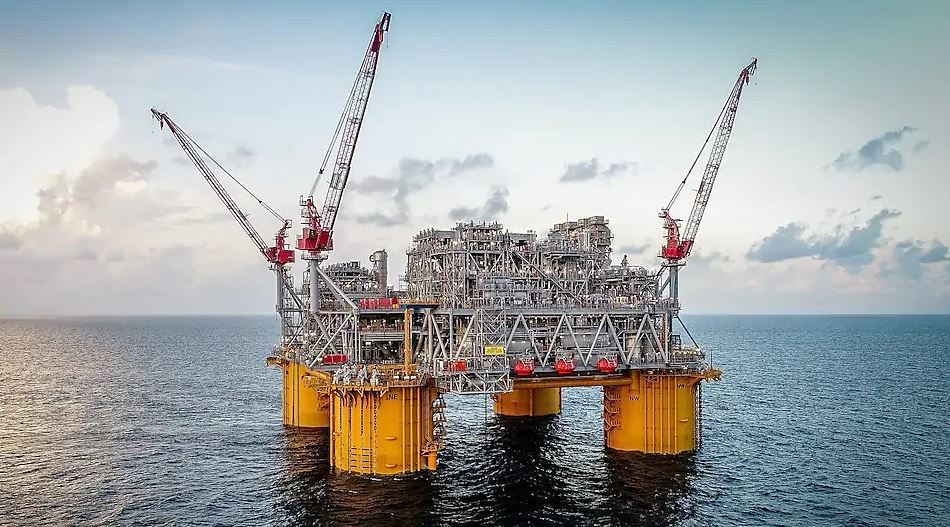
A drone can now legally fly from the Louisiana shoreline to an oil platform in the Gulf of America without a human watching it the whole way. The Federal Aviation Administration gave Skyways that authorization on November 9, the first time it has allowed a long-range, beyond-visual-line-of-sight flight from the US coast out over open water.

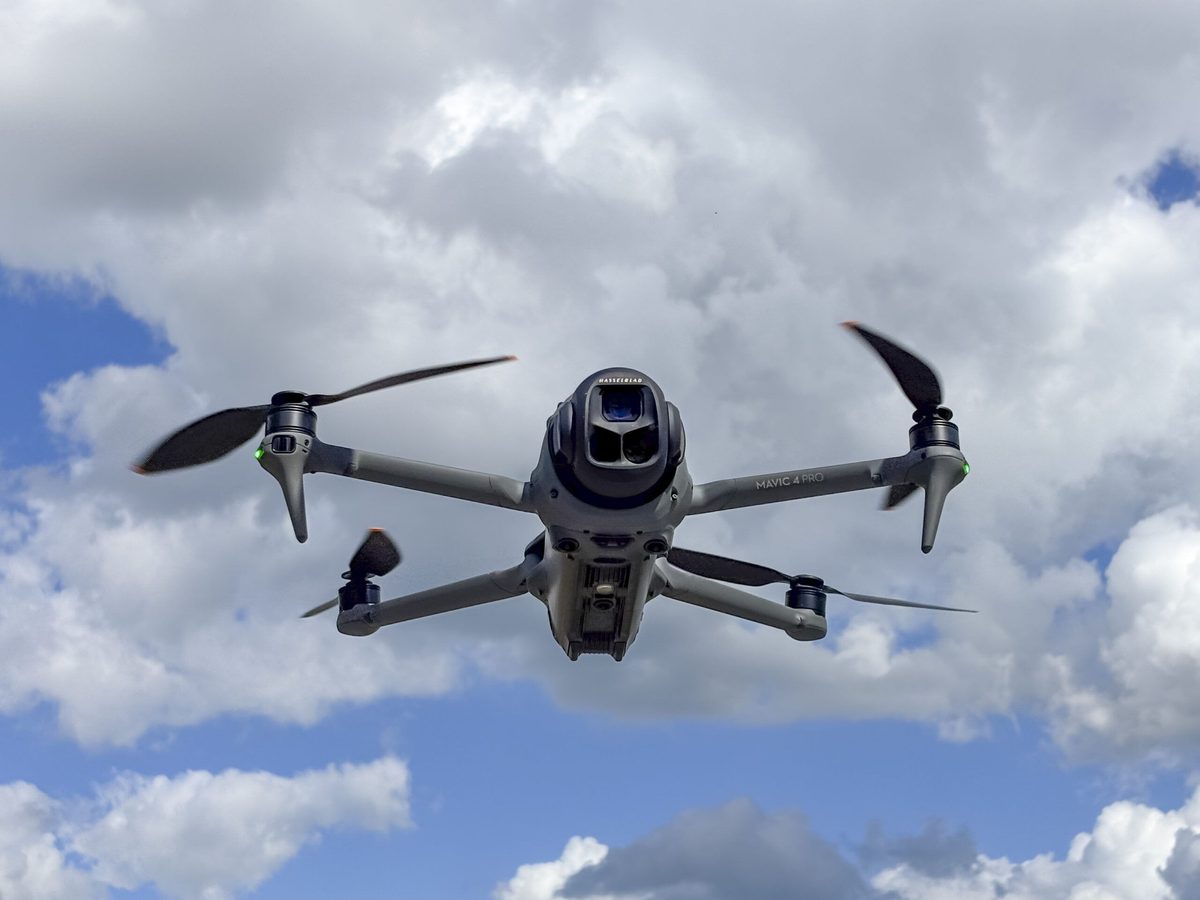
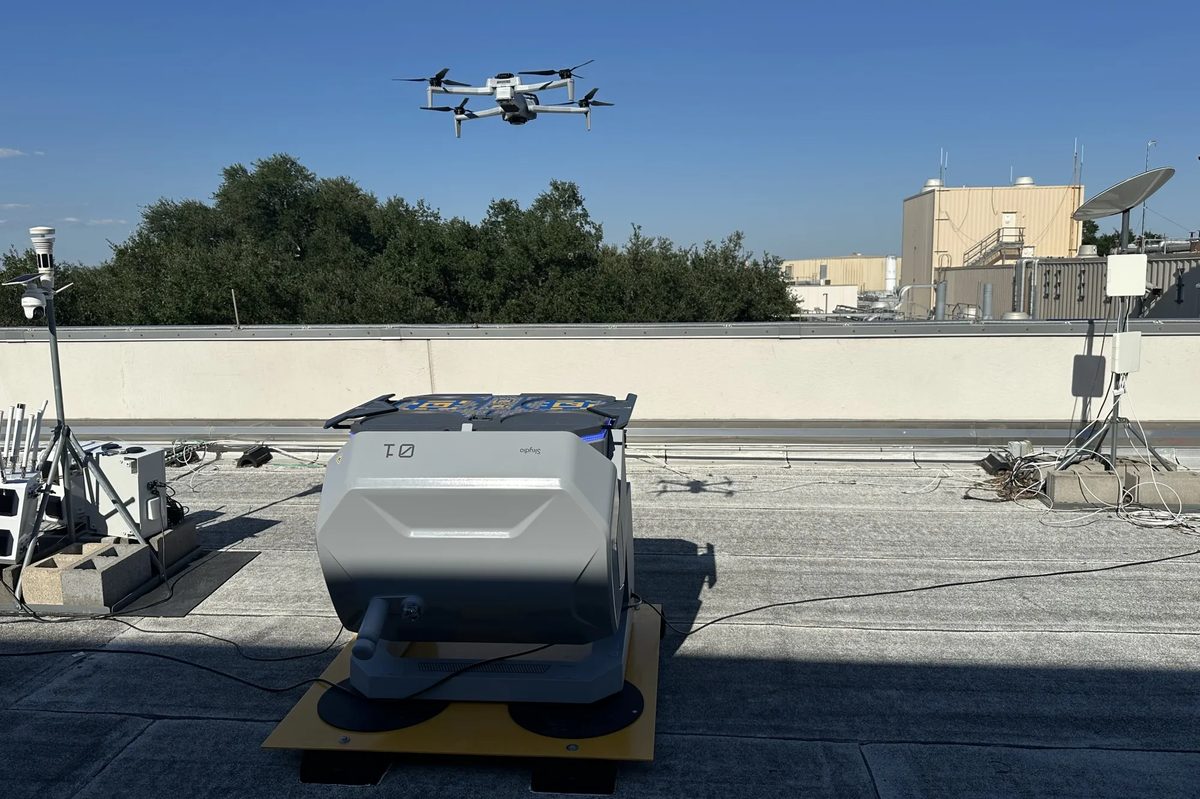
The permission runs through Section 927 of the 2024 FAA Reauthorization Act, which lets the agency approve novel drone operations by waiver instead of waiting on a new rule. Skyways will fly its V2 aircraft, a hybrid design that takes off electrically and cruises on a heavy-fuel engine, from Shell Pipeline Company's facility in Gibson, Louisiana to a Shell platform offshore.

The flight has not happened yet. Skyways says the mission will inspect a pipeline right-of-way and simulate delivering equipment to the platform in a single trip. Shell runs a parallel program to base drones in hurricane-proof boxes on its floating platforms, work that today requires boats and helicopter flybys.

Why it matters

Offshore drones that skip the boat and helicopter could make hurricane restarts and pipeline inspections hours faster.

Questions about this story

Free account needed to ask — your question is kept and asked for you right after sign-up. Answers are public.

No questions yet — be the first to ask.

Key Indicators

1st
Coast-to-high-seas drone authorization
The FAA says this is the first authorization for a drone to fly beyond visual line of sight from the US coastline over the Gulf of America.
44
Drone flights at Shell's Mars platform
Shell ran 44 flights from a floating platform in April 2026, including a night landing, as a test of a docked drone system.
$50M
Potential three-year savings from faster storm restarts
Shell estimates that restoring production a day sooner after hurricanes could save nearly $50 million over three years.
5–7
Gulf floating facilities targeted for drone installations
Shell expects to add drone-in-a-box systems to between five and seven floating facilities by the end of 2027.

Voices

Curated perspectives — historical figures and your fellow readers.

Sign up to generate historical perspectives on this story.

People Involved

Organizations Involved

Timeline

2024 November 2026

5 events Latest: Today
Tap a bar to jump to that date
  1. FAA clears Skyways to fly from shore to platform

    Today Regulatory

    First authorization for BVLOS drone flights from the US coastline over the high seas.

  2. Shell outlines permanent platform drone installations

    Announcement

    Shell targets Mars and Olympus for docked drone systems by year-end.

  3. Shell lands drones on a moving Gulf platform

    Test

    Shell runs 44 flights from the Mars platform, landing safely even as the floater drifted.

  4. Shell wins Gulf-wide self-approval for drone flights

    Regulatory

    An FAA waiver lets Shell self-authorize BVLOS drone operations across its Gulf facilities.

  5. Congress creates a waiver path for advanced drones

    Legislation

    Section 927 of the FAA Reauthorization Act lets the agency approve certain drone operations by waiver.

Scenarios

1

Skyways flies the Gibson-to-platform mission

Likely Resolves by Q2 2027

Discussed by: Skyways and Aviation Week, which reported operations starting early next year

Skyways says the authorization clears the way for a single flight from Shell's Gibson facility to an offshore platform, inspecting a pipeline right-of-way and simulating an equipment drop. The company has not flown it yet. Success would turn a paperwork approval into demonstrated shore-to-platform logistics, the reference case for later cargo work.

2

FAA proposes a standing BVLOS rule

Possible Resolves by End of 2027

Discussed by: Industry observers, including DRONELIFE, which flagged the pending FAA rulemaking

Each of these approvals runs through a waiver, which means operators must negotiate flight-by-flight terms. A general rule would replace that patchwork and let more companies fly long range without bespoke deals. Watch the Federal Register for a notice of proposed rulemaking.

3

Shell scales drone boxes across its Gulf floaters

Possible Resolves by Q2 2028

Discussed by: Shell executives speaking to the Journal of Petroleum Technology

Shell plans permanent drone-in-a-box installations at Mars and Olympus first, then five to seven floating facilities by the end of 2027. The systems are meant to inspect platforms after hurricanes before anyone boards a helicopter, compressing the restart timeline for production.

Historical Context

3 moments from history that rhyme with this story — and how they unfolded.

2016

FAA Part 107 (2016)

Before 2016, commercial drone flights in the US needed a case-by-case exemption. Part 107 created a standing rule for small drones, but it kept the remote pilot's eyes on the aircraft and pushed anything farther into the waiver process.

Then

Routine inspection, photography and survey flights became legal without individual approvals.

Now

Waivers became the main route for advanced operations, which is the structure Section 927 approvals use today.

Why this matters now

The Skyways authorization is the same pattern at far greater range: fly beyond sight only with explicit, negotiated permission.

2014–2016

Section 333 exemptions (2014–2016)

The FAA used authority from a 2012 aviation law to grant individual exemptions for commercial drone use, one operator and one aircraft type at a time. Applicants waited months and flew under tight limits.

Then

A few hundred operators got legal clearance for filming, inspection and agriculture work.

Now

The pileup of exemptions pushed the FAA toward a general small-drone rule, and set the precedent that novel drone uses enter through waivers.

Why this matters now

Shell's Gulf-wide waiver and Skyways' authorization are the current version of that queue, with energy companies instead of film crews.

2026

Shell's Gulf-wide BVLOS waiver (2026)

Shell won an FAA waiver letting it self-approve beyond-visual-line-of-sight drone flights across its owned or operated facilities in the Gulf of America. Shell said the process took about two years and was the first of its kind for the region.

Then

Shell could fly inspection drones from its platforms without seeking FAA permission for each mission.

Now

The waiver gave the company a template for scaling drone operations across a fleet of floating facilities.

Why this matters now

Skyways' authorization extends the same principle from Shell's own platforms outward, to flights launched from the Louisiana shore.

Sources

(7)