

Pull to refresh
Logo
FDA approves first drug for any form of limb-girdle muscular dystrophy

FDA approves first drug for any form of limb-girdle muscular dystrophy

New Capabilities

BridgeBio's Welgemda, an oral solution taken twice a day, won traditional approval on walking-speed and lung-function data. Its annual price is $983,500.

Overview

Updated 36 minutes ago

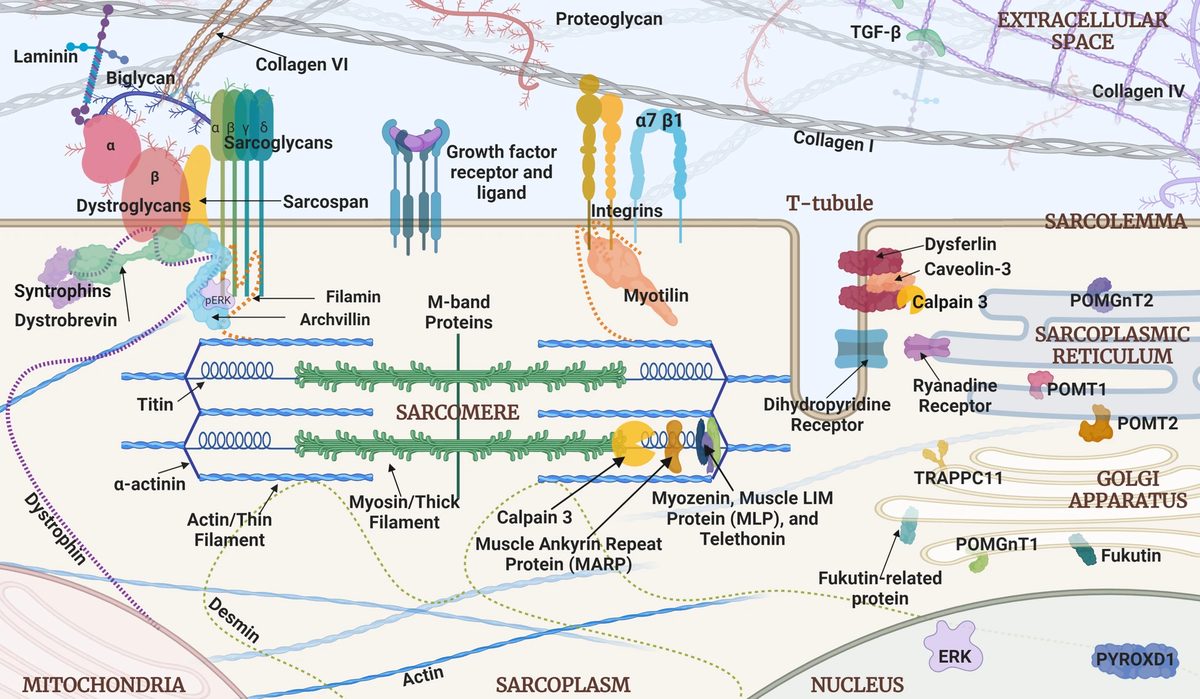
Limb-girdle muscular dystrophy starts with weakness in the shoulders and hips, then spreads to the arms and legs. In the 2I/R9 variant, a mutation in the FKRP gene leaves muscle cells fragile, and the disease can eventually impair breathing and heart function. Until this week, the Food and Drug Administration had approved no therapy for any form of it.

On Nov. 23 the agency granted traditional approval to Welgemda, an oral solution taken twice a day, for adults and children weighing at least 30 kilograms. The decision rests on a 112-patient placebo-controlled trial: after 12 months, treated patients walked 0.27 meters per second faster than those on placebo, and their lung function rose about 3% while the placebo group's fell about 2%. BridgeBio set an annual price of $983,500 and told analysts it has genetically confirmed 500 U.S. patients, with a goal of reaching all of them by the end of 2029.

Why it matters

About 7,000 people in the U.S. and Europe have this form of LGMD. The first drug approved for it costs $983,500 a year.

Questions about this story

Free account needed to ask — your question is kept and asked for you right after sign-up. Answers are public.

No questions yet — be the first to ask.

Key Indicators

$983,500
Annual list price
Cost of a year of Welgemda at the list price BridgeBio disclosed at launch.
0.27 m/s
Walking-speed benefit at 12 months
Advantage over placebo on the 100-meter timed test, p<0.0001.
112
Patients in the Phase 3 FORTIFY trial
Randomized, double-blind, placebo-controlled study of genetically confirmed LGMD2I/R9.
~7,000
People with LGMD2I/R9 and related forms in the U.S. and Europe
BridgeBio's estimate of the addressable population, of whom 500 U.S. patients are genetically confirmed.
$1B+
Analyst peak annual sales estimate
TD Cowen sees up to $1.5 billion including Europe; Jefferies calls more than $1 billion achievable.

Voices

Curated perspectives — historical figures and your fellow readers.

Sign up to generate historical perspectives on this story.

People Involved

Organizations Involved

Timeline

3 events Latest: Yesterday
  1. Analysts project blockbuster sales as launch starts

    Latest Commercial

    BioPharma Dive reported an annual price of $983,500, with TD Cowen and Jefferies analysts estimating peak sales above $1 billion.

  2. FDA grants traditional approval to Welgemda

    Regulatory

    The agency cleared ribitol for LGMD2I/R9 in patients weighing at least 30 kilograms, the first therapy approved for any form of limb-girdle muscular dystrophy.

  3. FORTIFY participants move to open-label extension

    Clinical

    U.S. trial participants, including those who received placebo, begin receiving Welgemda in an extension study that runs to 36 months of treatment.

Scenarios

1

Welgemda tops $1 billion in annual sales

Likely Resolves by End of 2030

Discussed by: TD Cowen's Tyler Van Buren and Jefferies' Andrew Tsai, both quoted by BioPharma Dive

BridgeBio has already genetically confirmed 500 U.S. patients and plans to find the rest by the end of 2029, while estimating 2,000 to 3,000 people in the country have the disease. Van Buren sees up to $1.5 billion in peak sales once Europe is included, and Tsai calls more than $1 billion achievable. The trigger is patient identification and payer coverage converting confirmed diagnoses into prescriptions.

2

Europe approves Welgemda after 36-month data

Possible Resolves by End of 2029

Discussed by: BridgeBio management, in its approval announcement

BridgeBio says it will file a marketing application with the European Medicines Agency in the first half of 2028, based on the final 36-month FORTIFY analysis, with topline results expected in late 2027 or early 2028. Until then, the drug is not approved or sold anywhere outside the United States, and non-U.S. trial sites keep running so the company can generate the data regulators there want.

3

Patient finding falls short of BridgeBio's targets

Possible Resolves by Q1 2029

Discussed by: BridgeBio executives, in comments to Wall Street analysts reported by BioPharma Dive

The company's commercial plan depends on converting genetic diagnoses into treated patients: 100 by the end of 2027, 300 by the end of 2028 and all 500 confirmed U.S. patients by the end of 2029. Finding the wider pool of 2,000 to 3,000 people requires awareness campaigns and testing, and an $983,500-a-year drug adds a payer step between diagnosis and treatment.

4

FDA lowers the 30-kilogram weight floor

Unlikely Resolves by End of 2029

Discussed by: Medical Daily, which noted children under 30 kilograms sit outside the label

The approval covers adults and children weighing at least 30 kilograms, leaving younger and smaller patients without an approved option. Widening the label would require a supplemental application backed by data in that group, and BridgeBio has not announced a completed study in those children.

Historical Context

3 moments from history that rhyme with this story — and how they unfolded.

September 2016

Exondys 51 approval for Duchenne muscular dystrophy (2016)

The FDA granted accelerated approval to eteplirsen, Sarepta Therapeutics' drug for a subset of Duchenne muscular dystrophy, based on a small rise in dystrophin protein rather than proven benefit on how patients walked or breathed. Agency review staff publicly objected that the evidence was too thin, and an outside advisory committee voted against approval.

Then

The FDA's drug center overruled its reviewers and approved the drug; insurers and clinicians debated whether it worked.

Now

It set a precedent for clearing muscular dystrophy drugs on surrogate lab markers, and Sarepta had to run confirmatory studies to keep the approval.

Why this matters now

Welgemda took the harder route: traditional approval backed by a placebo-controlled trial with walking-speed and lung-function results, not a biomarker alone.

December 2016

Spinraza becomes the first drug for spinal muscular atrophy (2016)

The FDA approved nusinersen, an injection given into the spinal fluid, for spinal muscular atrophy, a genetic disease that had been the leading genetic cause of infant death. It was the first treatment for the condition and turned a fatal diagnosis into a manageable one for many families.

Then

Treatment demand overwhelmed clinics, and the drug's price triggered fights with insurers and governments over coverage.

Now

Newborn screening for SMA expanded, and two more treatments followed, including a one-time gene therapy and an oral drug.

Why this matters now

Like SMA, LGMD2I/R9 is a genetic muscle disease that had no approved treatment until a first drug arrived; the access fight that followed is the template for what comes next.

April 2006

Myozyme approval for Pompe disease (2006)

The FDA approved alglucosidase alfa, an intravenous enzyme replacement, for Pompe disease, a inherited disorder in which a missing enzyme lets glycogen build up and destroy muscle. Infants with the classic form typically died of heart failure before age two.

Then

The drug extended survival in infants, though intravenous delivery reached muscle imperfectly and immune reactions limited benefits for some patients.

Now

It established enzyme replacement as a strategy in muscle disease and pushed newborn screening for Pompe into many states.

Why this matters now

Pompe and LGMD2I/R9 both trace to a missing or faulty enzyme's effect on muscle. Welgemda attacks the problem with an oral sugar molecule rather than an infused replacement enzyme.

Sources

(7)