


Pull to refresh
Logo
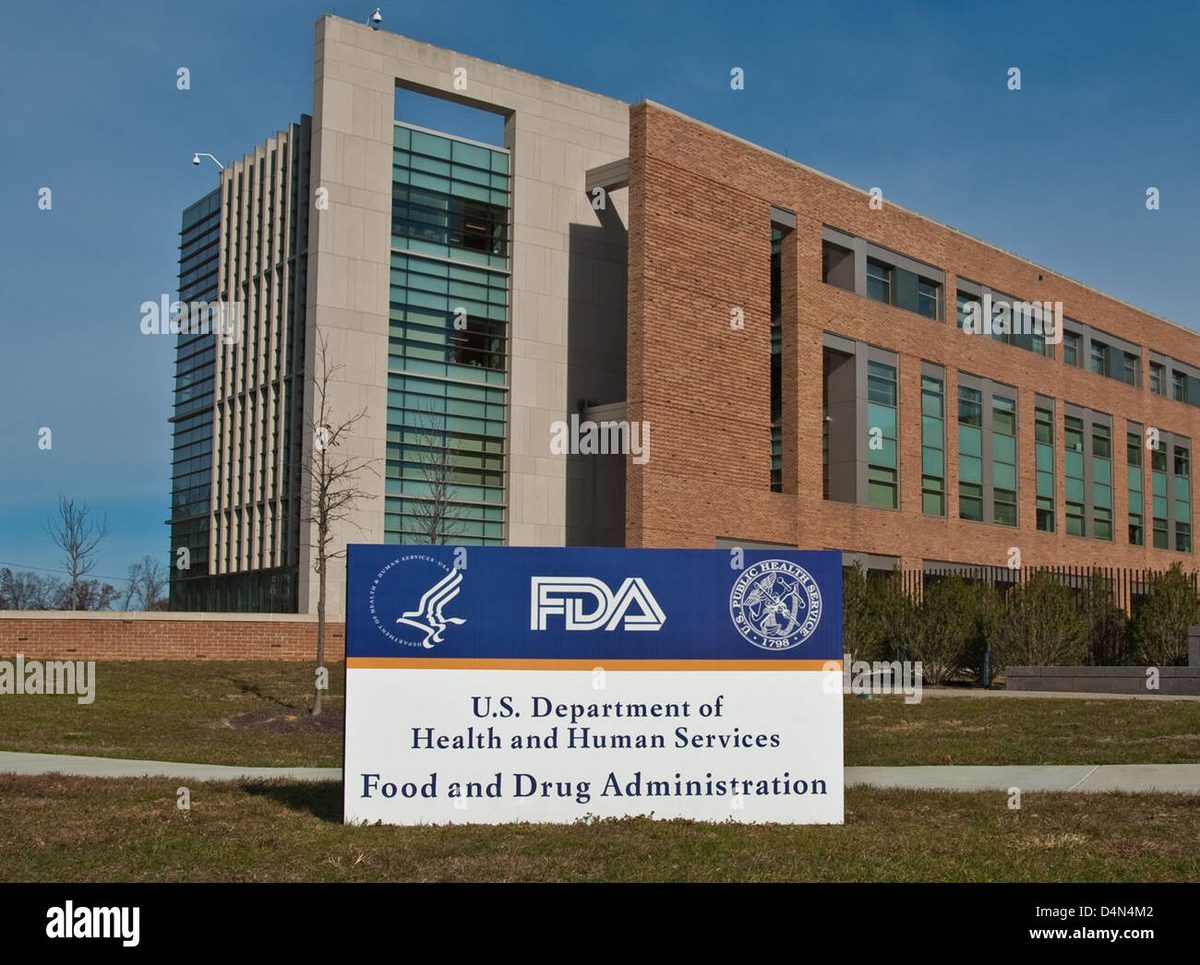
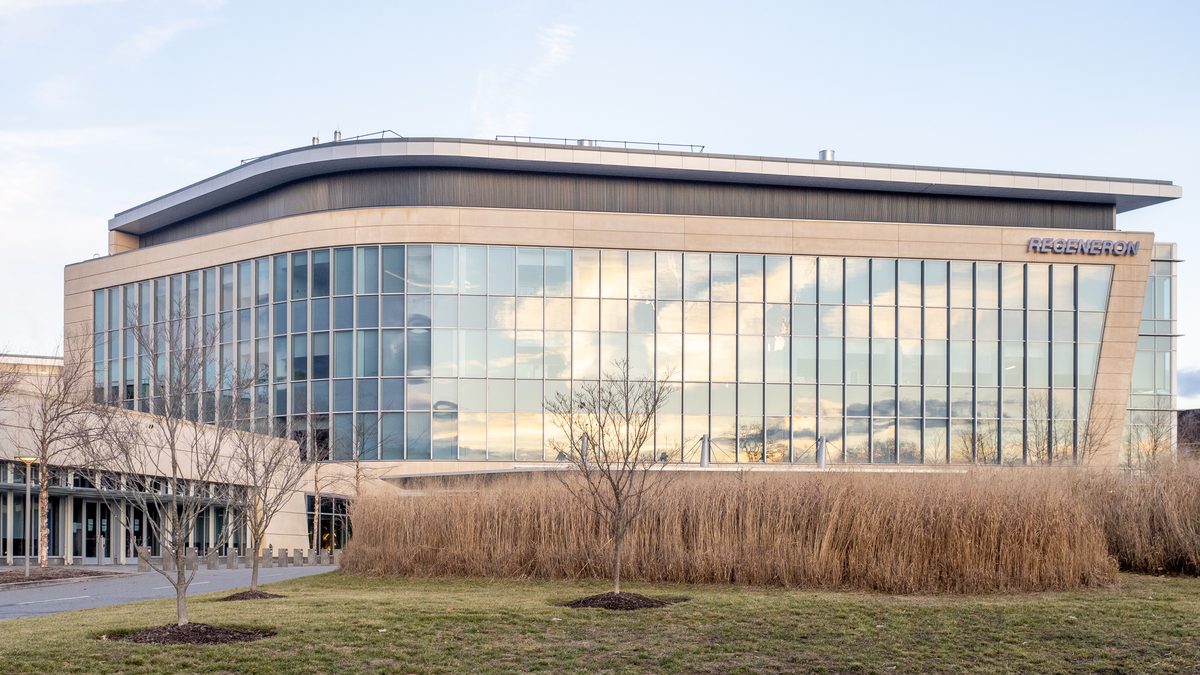
FDA approves Regeneron's four-times-a-year RNAi drug for myasthenia gravis

FDA approves Regeneron's four-times-a-year RNAi drug for myasthenia gravis

New Capabilities

Livsayis is the first RNA interference therapy cleared for an autoimmune disease. It lists at $410,000 a year and competes against weekly shots.

Overview

Updated 1 hour ago

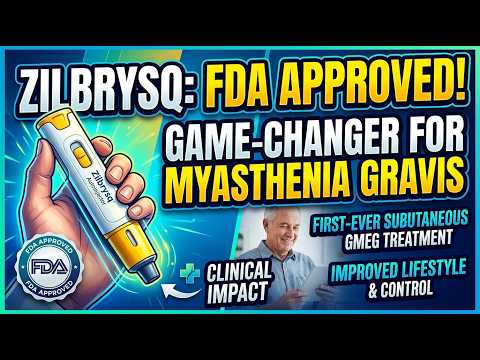
The Food and Drug Administration approved Livsayis on Nov. 18 for generalized myasthenia gravis, a disease in which the immune system disrupts the nerve signals that control chewing, swallowing, breathing and eyesight. It is the first RNA interference therapy cleared for an autoimmune disease, and the only myasthenia gravis treatment given as four shots a year.

Livsayis silences the gene for complement component 5 (C5), a protein at the center of the immune attack in this disease. AstraZeneca's Klygefa, approved two days earlier, blocks the same protein with a weekly shot. Regeneron's version is one injection under the skin every 12 weeks, at a list price of $410,000 a year.

Why it matters

RNAi drugs have mostly treated rare inherited diseases. Autoimmune disease is a far larger market, and Regeneron needs a replacement for aging blockbusters.

Questions about this story

Free account needed to ask — your question is kept and asked for you right after sign-up. Answers are public.

No questions yet — be the first to ask.

Key Indicators

$410,000
Annual list price
Before insurance and rebates, according to a Regeneron spokesperson.
76.6%
Patients improving at least 3 points on the MG-ADL daily-function score
Against 44.1% on placebo at 24 weeks in the Phase 3 NIMBLE trial.
4
Injections per year
One subcutaneous dose every 12 weeks.
284
Patients in the NIMBLE trial
Randomized across 86 sites in 13 countries.
$1.5B
TD Cowen's peak annual sales projection
RBC's analyst expects a slower launch.

Voices

Curated perspectives — historical figures and your fellow readers.

Sign up to generate historical perspectives on this story.

People Involved

Organizations Involved

Timeline

2019 November 2026

5 events Latest: 3 days ago
Tap a bar to jump to that date
  1. TD Cowen projects $1.5 billion in peak sales

    Latest Analysis

    Tyler Van Buren cited efficacy and dosing; RBC's Brian Abrahams expected a measured launch.

  2. FDA approves Livsayis for AChR-positive myasthenia gravis

    Approval

    Regeneron's first marketed RNAi drug, injected every 12 weeks, carries a boxed warning for meningococcal infection.

  3. FDA approves AstraZeneca's Klygefa for the same disease

    Approval

    Gefurulimab, a weekly C5 inhibitor, cleared two days before Livsayis.

  4. Regeneron takes over late-stage work

    Deal

    Alnylam handed off development, manufacturing and commercialization of the molecule.

  5. Alnylam licenses cemdisiran to Regeneron

    Deal

    The molecule became part of a broad RNA interference partnership between the two companies.

Scenarios

1

Livsayis becomes a $1 billion-a-year product

Possible Resolves by Feb 15, 2030

Discussed by: TD Cowen analyst Tyler Van Buren

Van Buren projects $1.5 billion in peak annual sales and argues that efficacy and a four-shot schedule will pull patients who switch from other therapies. Clearing $1 billion a year would show that switching patients alone, without a wave of newly diagnosed patients, is enough to build a franchise.

2

Launch stalls as doctors stick with existing drugs

Possible Resolves by Feb 15, 2029

Discussed by: RBC Capital Markets analyst Brian Abrahams

Abrahams found that treating physicians want to hear from colleagues about Livsayis's side-effect profile before prescribing it, and that Argenx and AstraZeneca products are well entrenched. If switching stays slow through the first two years, sales could settle below $500 million a year.

3

Regeneron wins a second autoimmune indication for Livsayis

Unlikely Resolves by End of 2029

Discussed by: BioPharma Dive, reporting on the drug's development history

The program shifted toward combination use and studies in other inflammatory conditions after early testing as a monotherapy fell short in a different disease. A second approval would turn Livsayis from a single-disease product into a platform for silencing C5 across immune disorders.

Historical Context

3 moments from history that rhyme with this story — and how they unfolded.

March 2007

Soliris opens the C5 market (2007)

Alexion's eculizumab became the first drug approved to block complement protein C5, for a rare blood disorder called paroxysmal nocturnal hemoglobinuria. A decade later the FDA cleared it for generalized myasthenia gravis.

Then

A rare-disease drug priced in the hundreds of thousands of dollars a year turned Alexion into a major biotechnology company.

Now

C5 became one of the most contested targets in drug development, and AstraZeneca bought Alexion in 2021.

Why this matters now

Livsayis enters a C5 market that Soliris created and that now holds several competitors, including AstraZeneca's own products.

August 2018

Onpattro, the first RNAi drug (2018)

The FDA approved patisiran, the first medicine built on RNA interference, for a rare nerve disease caused by misfolded transthyretin protein. The field had spent roughly two decades trying to get RNAi drugs into human cells reliably.

Then

Alnylam turned the approval into a franchise of RNAi medicines, most of them for rare diseases.

Now

RNAi became a standard drugmaking method alongside small molecules and antibodies, though its commercial base stayed narrow.

Why this matters now

Livsayis is the first RNAi drug to cross from rare disease into autoimmune disease, where patient numbers are much larger.

August 1998

Remicade moves antibodies into autoimmune disease (1998)

The FDA approved infliximab for Crohn's disease, the first antibody drug cleared for an autoimmune condition. Monoclonal antibodies until then had mostly been used in transplant rejection and cancer.

Then

Anti-TNF antibodies became the backbone of immunology practice, and Humira followed in 2002.

Now

Autoimmune disease became the largest market for biotechnology drugs, a position it still holds.

Why this matters now

It shows what happens when a drugmaking technology proves itself in autoimmune disease rather than rare genetic disorders: the market expands by orders of magnitude.

Sources

(6)