

Pull to refresh
Logo
FDA approves first gene therapy for Sanfilippo syndrome type A

FDA approves first gene therapy for Sanfilippo syndrome type A

New Capabilities

Fayuvi, a one-time intravenous AAV9 gene therapy from Ultragenyx, is the first treatment that alters the disease course of the fatal pediatric neurodegeneration

Yesterday: FDA approves Fayuvi

Overview

Updated 2 hours ago

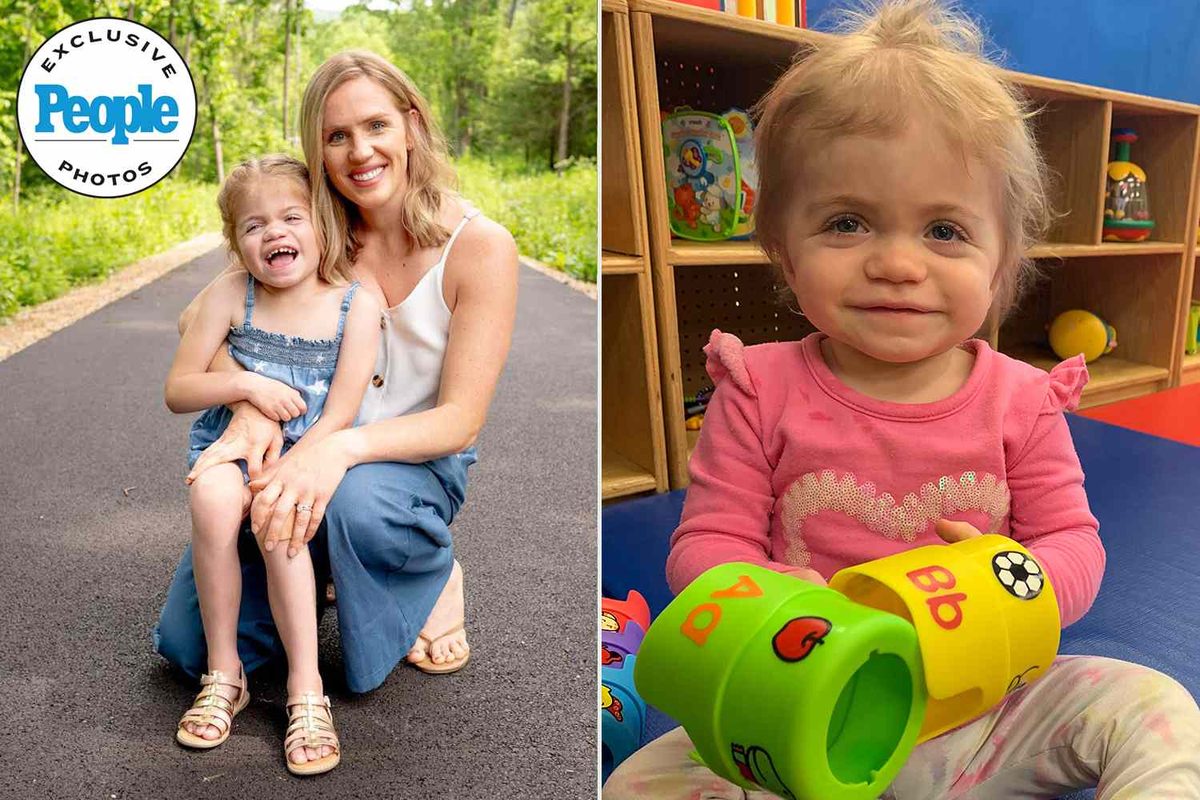
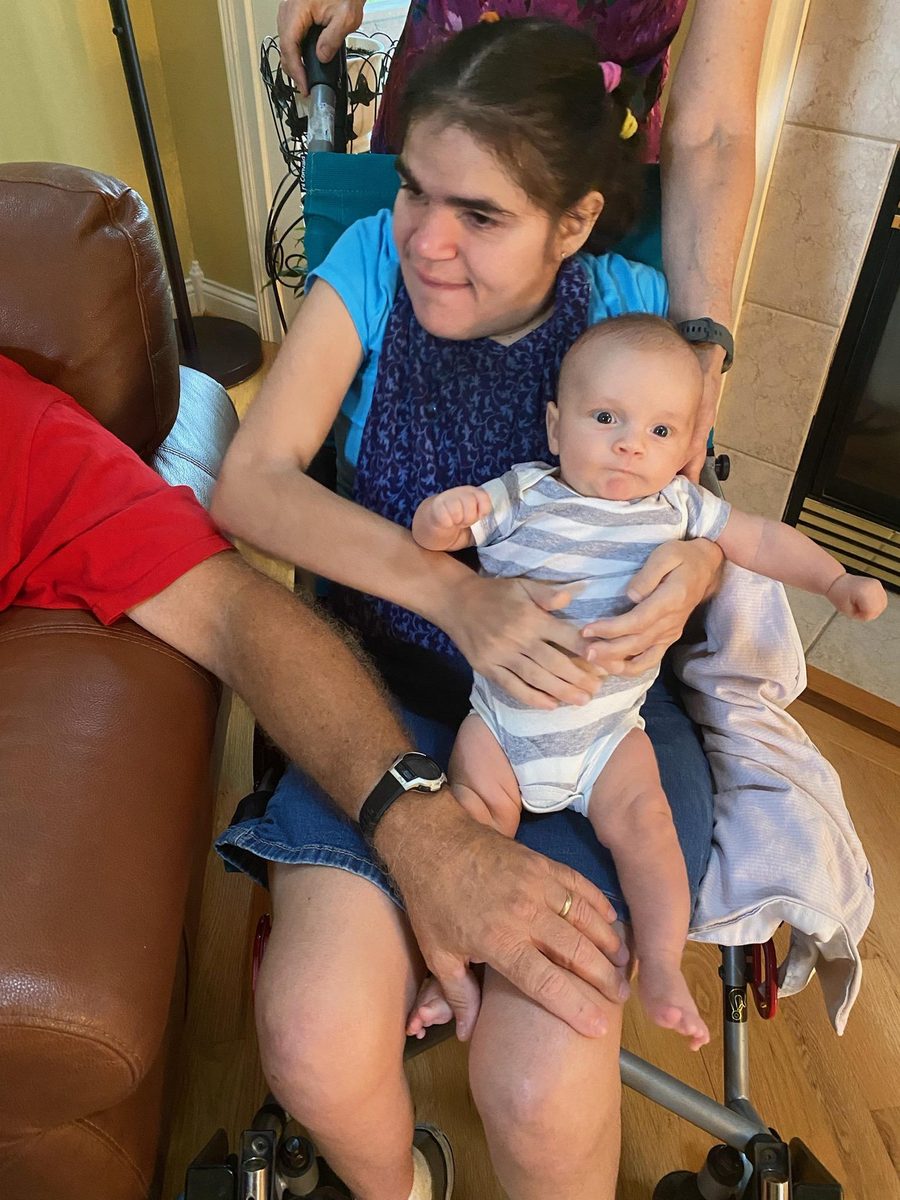
Children with Sanfilippo syndrome type A lose the ability to walk, talk, and eventually swallow, typically dying in their mid-teens. On September 17, the FDA approved Fayuvi, a one-time intravenous gene therapy that delivers a working copy of the SGSH gene — the first treatment that changes the disease course rather than managing symptoms.

The stakes: at $3.95 million per dose, Fayuvi ranks among the most expensive gene therapies ever approved. Whether it becomes the standard of care depends on how fast children are diagnosed, whether insurers cover the price, and whether the small network of qualified treatment centers can keep up.

Why it matters

A fatal pediatric diagnosis that had no disease-modifying treatment now has a one-time therapy that preserves cognitive function — if children are caught early enough and the $3.95 million price is covered.

Questions about this story

Free account needed to ask — your question is kept and asked for you right after sign-up. Answers are public.

No questions yet — be the first to ask.

Key Indicators

$3.95 million
Wholesale acquisition cost per dose
Among the highest-priced gene therapies, trailing only Orchard's Lenmeldy at $4.25 million.
23.5 points
Cognitive score advantage vs. untreated natural history
Bayley-III cognitive raw score difference between 17 Fayuvi-treated patients and 27 untreated controls (p<0.0001).
3,000–5,000
Sanfilippo A patients in commercially accessible regions
Ultragenyx's estimate of the addressable patient population; median life expectancy is 15 years.
~8 years
Longest follow-up in clinical data
Durable treatment effect across clinical assessments and biomarkers through nearly 8 years of follow-up.

Voices

Curated perspectives — historical figures and your fellow readers.

Ever wondered what historical figures would say about today's headlines?

Sign up to generate historical perspectives on this story.

People Involved

Organizations Involved

Timeline

2016 September 2026

6 events Latest: Yesterday
Tap a bar to jump to that date
  1. FDA approves Fayuvi

    Latest Approval

    Agency approves rebisufligene etisparvovec-hopf for pediatric MPS IIIA patients with preserved neurodevelopmental function, the first therapy for the disease.

  2. Ultragenyx sets $3.95M list price

    Commercial

    Company announces wholesale acquisition cost; expects shipments to qualified treatment centers within 30-60 days.

  3. Ultragenyx responds to FDA concerns

    Regulatory

    Company submits complete response addressing manufacturing issues, resuming the review clock.

  4. FDA declines approval over manufacturing

    Regulatory

    Agency issues complete response letter citing manufacturing concerns, delaying the review.

  5. Ultragenyx submits BLA to FDA

    Regulatory

    Company files biologics license application for the therapy, then known as UX111.

  6. Transpher A pivotal trial begins

    Trial

    Ultragenyx launches the open-label single-arm study of rebisufligene etisparvovec in pediatric MPS IIIA patients.

Scenarios

1

Fayuvi becomes standard of care for early-diagnosed Sanfilippo A

Possible Resolves by Sep 17, 2027

Discussed by: Jefferies analysts (via BioSpace); Ultragenyx commercial strategy

Newborn screening and rapid genetic testing catch more children before significant cognitive decline, and commercial insurers follow CMS precedent in covering the $3.95M therapy. Ultragenyx's qualified treatment center network scales to handle dozens of infusions annually, and follow-up data continues to confirm durable cognitive benefit.

2

Narrow label and $3.95M price cap Fayuvi at a trickle of patients

Likely Resolves by Q2 2027

Discussed by: Medical Daily; American Quorum analysis

The label restricts treatment to children with preserved neurodevelopmental function, and late diagnoses are common because Sanfilippo symptoms resemble other developmental delays. Insurers balk at the price for a disease affecting only thousands of children worldwide, and the 30-60 day qualification process for treatment centers slows early access.

3

Post-approval safety signal curtails rollout

Possible Resolves by Sep 17, 2028

Discussed by: FDA label warnings; AAV gene therapy precedent

Thrombotic microangiopathy (TMA), flagged in Fayuvi's label, or a hepatotoxicity or malignancy signal emerges in real-world patients. The FDA issues a safety communication or requires additional risk mitigation, slowing new infusions while the agency assesses the signal.

Historical Context

3 moments from history that rhyme with this story — and how they unfolded.

November 2012

Glybera (2012)

The European Medicines Agency approved Glybera, an AAV1 gene therapy for lipoprotein lipase deficiency, the first gene therapy approved in the Western world. uniQure priced it at $1 million.

Then

Only a single patient was ever commercially treated due to the ultra-rare indication, the procedural burden of administration, and payer resistance.

Now

uniQure withdrew Glybera from the market in 2017. It became the cautionary tale of gene therapy commercial failure for diseases too rare to generate sustainable revenue.

Why this matters now

Sanfilippo A affects only 3,000-5,000 patients globally. Glybera shows that an approved, priced therapy for an ultra-rare disease can still fail commercially if logistics and payer coverage block access.

December 2017

Luxturna (2017)

The FDA approved Luxturna, an AAV2 gene therapy for a rare inherited retinal dystrophy, the first AAV gene therapy approved in the United States. Spark Therapeutics priced it at $425,000 per eye.

Then

Spark established outcomes-based rebate agreements with insurers, tying payment to measured vision improvement, and built a network of qualified surgical centers to administer the therapy.

Now

Luxturna's outcomes-based contracting and center-of-excellence model became the standard template for U.S. gene therapy launches, directly influencing how Ultragenyx structured Fayuvi's qualified treatment center network.

Why this matters now

Fayuvi's qualified treatment center model mirrors Luxturna's surgical center network, and its payer strategy will likely follow the outcomes-based contracting precedent Luxturna set.

May 2019

Zolgensma (2019)

The FDA approved Zolgensma, an AAV9 gene therapy for spinal muscular atrophy (SMA), a fatal infantile neurodegenerative disease. Novartis priced it at $2.125 million, then the most expensive drug in the world.

Then

Zolgensma became a commercial success, treating thousands of infants, but faced a data-integrity scandal when Novartis admitted manipulating control-group survival data in its animal studies.

Now

It established the clinical and commercial template for one-time AAV gene therapies in pediatric neurodegeneration: IV delivery, high list price, outcomes-based rebates, and long-term registry monitoring.

Why this matters now

Fayuvi follows the Zolgensma playbook nearly identically: AAV9 vector, intravenous delivery, a fatal pediatric brain disease, and a multimillion-dollar price justified by lifelong benefit.

Sources

(10)