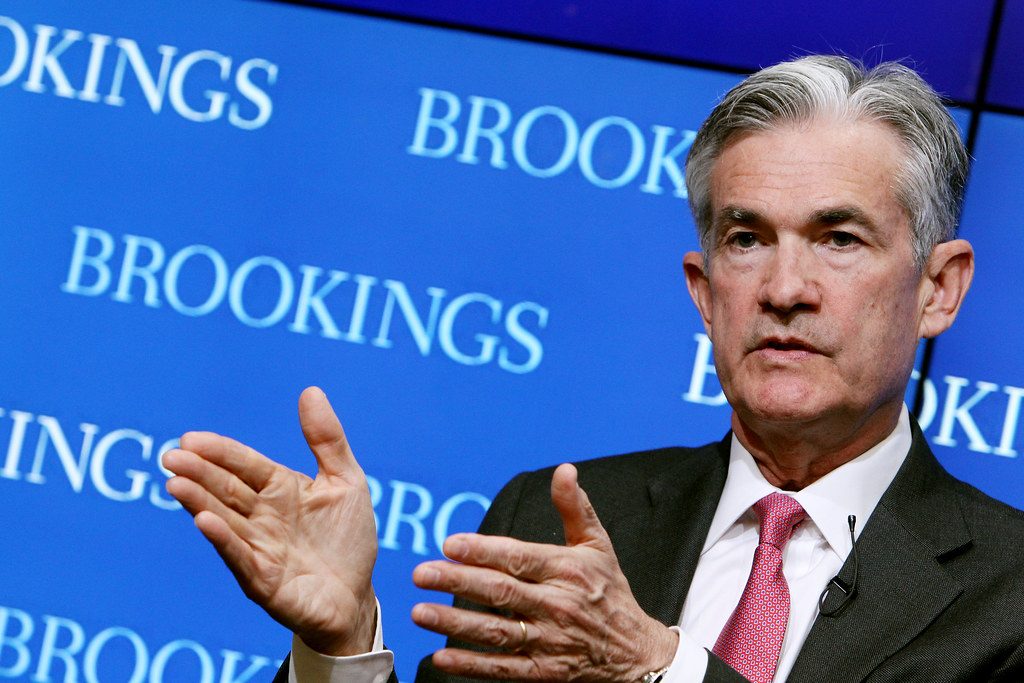
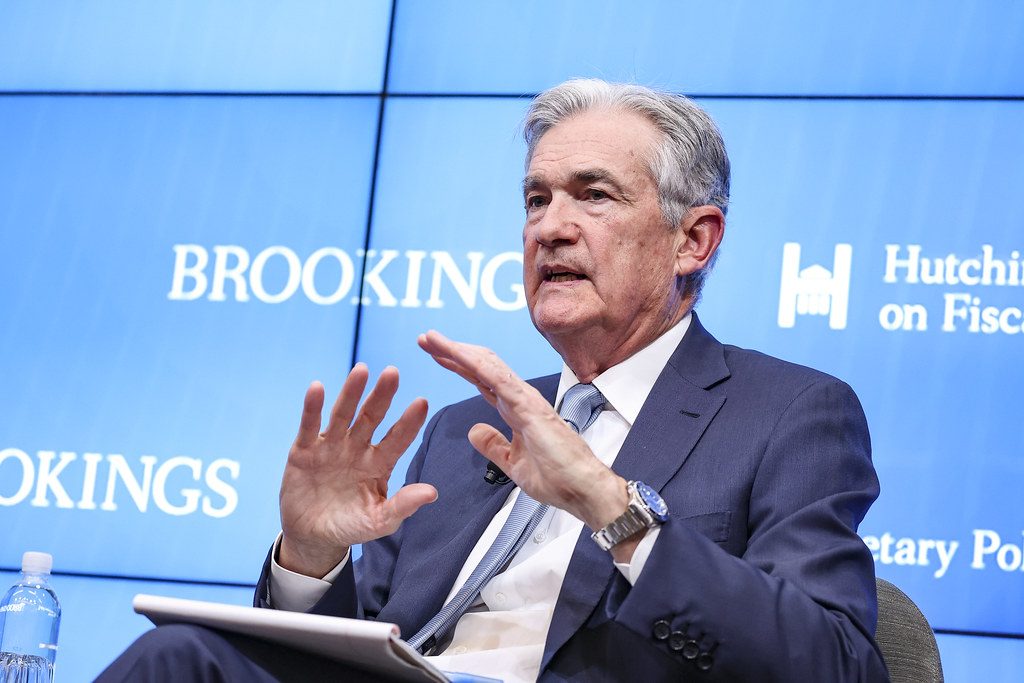
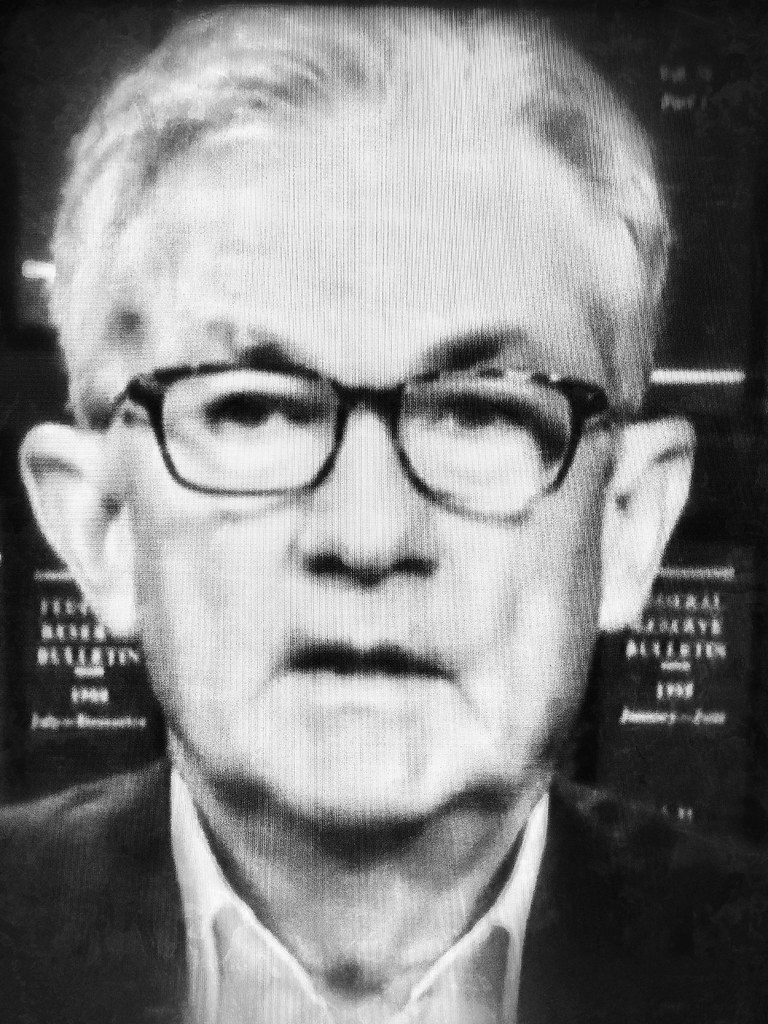
No president has ever criminally investigated a sitting Federal Reserve chair. When Trump's Justice Department served Jerome Powell with grand jury subpoenas on January 11, two Republican senators announced they would block all Fed nominees until the probe ends. With a 13-11 GOP majority on the Banking Committee, even one defection creates a confirmation stalemate.
Powell's term expires in May, and Trump wants to replace him with a chair who will cut rates faster. But Senators Thom Tillis and Lisa Murkowski have tied any Fed nomination to an investigation that Powell calls 'nothing more than an attempt at coercion.' The standoff puts Trump's monetary policy ambitions on hold while the Supreme Court weighs whether he can fire Fed governors at will.
Questions about this story
Free account needed to ask — your question is kept and asked for you right after sign-up. Answers are public.
No questions yet — be the first to ask.
Key Indicators
112
Years Since Fed's Founding
First criminal investigation of a sitting Fed chair in the central bank's history
13-11
Banking Committee Split
One GOP defection creates a tied vote, blocking nominees from advancing
$2.5B
Renovation Cost
Fed headquarters project at center of perjury allegations, $600M over original budget
May 15
Powell's Term Expiration
Date by which Trump must nominate and confirm a replacement chair
25 events
Latest: January 21st, 2026 · 9 months ago
Showing 8 of 25
JK to step
Tap a bar to jump to that date
Jump to
January 2026
Supreme Court Hears Trump v. Cook Arguments
LatestLegal
All nine justices express skepticism toward Trump's claim he can fire Fed governors without cause. Justice Kavanaugh warns the administration's position 'would weaken, if not shatter, the independence of the Federal Reserve.' Court appears likely to block Cook's removal while litigation continues.
Details Emerge on Fed-DOJ Communications Breakdown
Investigation
Reporting reveals Pirro's office sent two emails in December 2025 seeking conversation about renovation costs, but Fed officials viewed them as unclear and potentially improper. The miscommunication preceded the January subpoenas.
Pirro Defends Investigation on Fox News
Response
U.S. Attorney Jeanine Pirro appears on Sean Hannity's Fox News show to defend the Powell investigation, saying 'no one is above the law' and alleging $1 billion in cost overruns. She criticizes GOP lawmakers questioning the probe's merit.
Tillis and Murkowski Block Fed Nominees
Congressional
Republican Senators Tillis and Murkowski announce they will block all Trump Fed nominees until the Powell investigation is resolved, creating potential confirmation stalemate.
White House Frustration with Pirro Emerges
Internal
White House officials blame Pirro for blindsiding them with the investigation, forcing a multi-day damage control campaign. Sources reveal Pirro issued subpoenas without sign-off from senior DOJ officials, the White House, or Treasury.
Bill Pulte's Role in Investigation Revealed
Political Pressure
Reports reveal housing official Bill Pulte presented Trump with a 'wanted poster' of Powell at Mar-a-Lago and spent months pushing for Powell's investigation. White House aides point to Pulte as key figure who 'upended efforts' to reduce Trump's attacks on Powell.
Powell Issues Defiant Video Statement
Response
Powell releases video calling investigation 'a consequence of the Federal Reserve setting interest rates based on our best assessment of what will serve the public.'
Former Fed Chairs Condemn Probe
Response
Greenspan, Bernanke, and Yellen sign statement calling investigation 'an unprecedented attempt to use prosecutorial attacks to undermine' Fed independence.
Bessent Warns Trump of Market Fallout
Internal
Treasury Secretary Bessent calls Trump to say the investigation 'made a mess' and could hurt financial markets.
Additional GOP Senators Oppose Investigation
Congressional
Banking Committee Republicans Kevin Cramer (R-ND) and Dave McCormick (R-PA) criticize the probe. Cramer calls Powell 'a bad Fed Chair' but 'not a criminal.' Senate Majority Leader John Thune warns the investigation 'better be real' and 'better be serious.'
Markets React to Investigation News
Market Impact
Treasury yields spike with 10-year at 4.19% and 30-year above 4.8%. Dollar index drops 0.3% to near early December lows. Gold rises 2%, silver surges 6.2% as investors engage in 'Sell America' trade signaling concerns about Fed independence.
Fed Receives Grand Jury Subpoenas
Investigation
DOJ serves Federal Reserve with grand jury subpoenas threatening criminal indictment related to Powell's congressional testimony.
December 2025
Trump Floats Lawsuit Against Powell
Political Pressure
Trump says he is 'thinking about bringing a suit against Powell for incompetence' and claims renovation will cost more than $4 billion.
November 2025
DOJ Opens Investigation into Powell
Investigation
U.S. Attorney Jeanine Pirro's office begins investigating Powell over his renovation testimony, without coordinating with main Justice Department.
October 2025
Supreme Court Takes Cook Case
Legal
Supreme Court rejects Trump's emergency appeal but schedules oral arguments for January 2026 on whether the president can fire Fed governors.
September 2025
Federal Judge Blocks Cook Removal
Legal
Judge Jia Cobb issues preliminary injunction blocking Trump from removing Cook, finding she showed strong evidence the removal violated the Federal Reserve Act.
August 2025
Trump Fires Fed Governor Lisa Cook
Removal
Trump becomes first president in 112 years to attempt removing a Fed governor, citing mortgage fraud allegations. Cook refuses to resign and sues.
July 2025
Trump Tours Fed Building with Powell
Political Event
Trump visits Federal Reserve headquarters wearing a hard hat, claims renovation will cost $3.1 billion. Powell corrects him, saying that figure includes a separate building completed earlier.
Luna Files Criminal Referral
Investigation
Rep. Anna Paulina Luna (R-FL) sends Attorney General Pam Bondi a criminal referral alleging Powell committed perjury about the renovation project.
June 2025
Powell Testifies on Renovation Costs
Congressional
Powell testifies before Senate Banking Committee about the $2.5 billion headquarters renovation, denying luxury features like water features and roof gardens.
April 2025
Trump Threatens Powell Removal
Political Pressure
Trump states: 'I'm not happy with him. I let him know it and, oh, if I want him out, he'll be out of there real fast.'
May 2022
Biden Reappoints Powell
Nomination
President Biden nominates Powell for a second term as Fed chair. The Senate confirms him, with his term set to expire in May 2026.
2021
Fed Headquarters Renovation Begins
Project Start
The Federal Reserve begins multi-year renovation of its Washington headquarters, initially budgeted at $1.9 billion.
2019
Trump Begins Public Attacks on Powell
Political Pressure
Trump criticizes Powell for not cutting rates aggressively enough, once suggesting Powell was a 'bigger threat' to the U.S. than China's Xi Jinping.
November 2017
Trump Nominates Powell as Fed Chair
Nomination
Trump selects Jerome Powell, a Fed governor since 2012, to replace Janet Yellen as chair. The Senate confirms him 84-13 in January 2018.
Scenarios
1
DOJ Drops Investigation, Powell Finishes Term
Possible
Discussed by: Axios, former Fed officials, Treasury Secretary Bessent privately
Growing Republican opposition and market volatility pressure the administration to quietly shelve the investigation. Powell serves out his term through May, then declines reappointment. Trump nominates a successor who faces normal confirmation process once the political temperature cools.
2
Confirmation Stalemate Leaves Fed Chair Vacancy
Possible
Discussed by: Senate leadership, Banking Committee members
Tillis and other Republicans maintain their blockade through May. Powell's term expires with no confirmed successor. Trump faces months of deadlock as Democrats unite against any nominee while the investigation continues. Fed Vice Chair assumes acting leadership during extended uncertainty.
3
Powell Indicted, Constitutional Crisis Deepens
Unlikely
Discussed by: Legal analysts, former DOJ officials
Pirro's office proceeds with indictment despite political backlash. Powell fights charges while remaining in office, arguing removal requires Senate action. Case intersects with Supreme Court's Cook decision on presidential power over Fed governors, potentially triggering landmark ruling on central bank independence.
4
Supreme Court Limits Presidential Power Over Fed
Uncertain
Discussed by: Constitutional scholars, analysts tracking Trump v. Cook
The January 21 Supreme Court hearing on Lisa Cook's firing produces a ruling that restricts presidential power to remove Fed governors. This precedent strengthens Powell's position and signals to the administration that prosecutorial pressure on Fed leadership faces constitutional limits.
Historical Context
3 moments from history that rhyme with this story — and how they unfolded.
1 of 3
1971-1972
Nixon-Burns Pressure Campaign (1971-1972)
President Nixon pressured Fed Chair Arthur Burns to keep interest rates low before the 1972 election. Nixon met with Burns 34 times in late 1971, planted false stories in the media to damage Burns's reputation, and floated proposals to pack the Fed with new appointees. White House tapes later revealed Nixon's explicit instructions to Burns emphasizing the political importance of easy money.
Then
Burns kept rates low. Nixon won reelection in a landslide. Inflation climbed from 3% in 1972 to 12% by 1974.
Now
A decade of stagflation followed. Paul Volcker raised rates to 15% in 1980-82, triggering recession to finally break inflation. The episode became the textbook case for why Fed independence matters.
Why this matters now
Nixon used political threats and media manipulation to pressure the Fed. Trump is using criminal investigation through DOJ. Both represent presidential attempts to subordinate monetary policy to political objectives. The Nixon precedent shows the inflationary cost when central bank independence erodes.
2 of 3
1832-1836
Andrew Jackson's Bank War (1832-1836)
President Andrew Jackson vetoed the recharter of the Second Bank of the United States and withdrew federal deposits, destroying the institution. Jackson called the Bank a 'hydra of corruption' controlled by eastern elites. He fired two Treasury Secretaries who refused to move the deposits before finding one who would comply.
Then
Jackson eliminated the Bank. State banks proliferated without federal oversight. The 'Pet Banks' system replaced central monetary control.
Now
The Panic of 1837 devastated the economy. The U.S. operated without a central bank for 77 years until the Federal Reserve was created in 1913 specifically to prevent such instability.
Why this matters now
Jackson's destruction of the Second Bank shows what happens when a president succeeds in eliminating central bank independence. The resulting financial chaos led directly to the creation of the modern Fed. Trump's confrontation with Powell represents the most serious presidential challenge to Fed independence since Jackson.
3 of 3
1965
LBJ Pressures Martin on Vietnam Spending (1965)
President Lyndon Johnson summoned Fed Chair William McChesney Martin to his Texas ranch after the Fed raised interest rates. Johnson shoved Martin against a wall and shouted, 'Boys are dying in Vietnam, and Bill Martin doesn't care!' Martin had raised rates despite White House pressure to finance both the Vietnam War and Great Society programs without tax increases.
Then
Martin held firm on rates despite the confrontation. The Fed maintained its independence.
Now
Martin became known for defining the Fed's role as 'taking away the punch bowl just as the party gets going.' His resistance to LBJ set a precedent for Fed chairs standing up to presidential pressure.
Why this matters now
Previous presidents have physically intimidated and verbally attacked Fed chairs. Powell faces prosecutorial rather than personal pressure, but the dynamic is similar: a president demanding the Fed accommodate his political preferences. Martin's successful resistance offers a template for institutional defiance.