No president has fired a sitting Federal Reserve governor in the central bank's 112-year history. Donald Trump is trying to be the first and wants to replace the Fed chair with a loyalist.
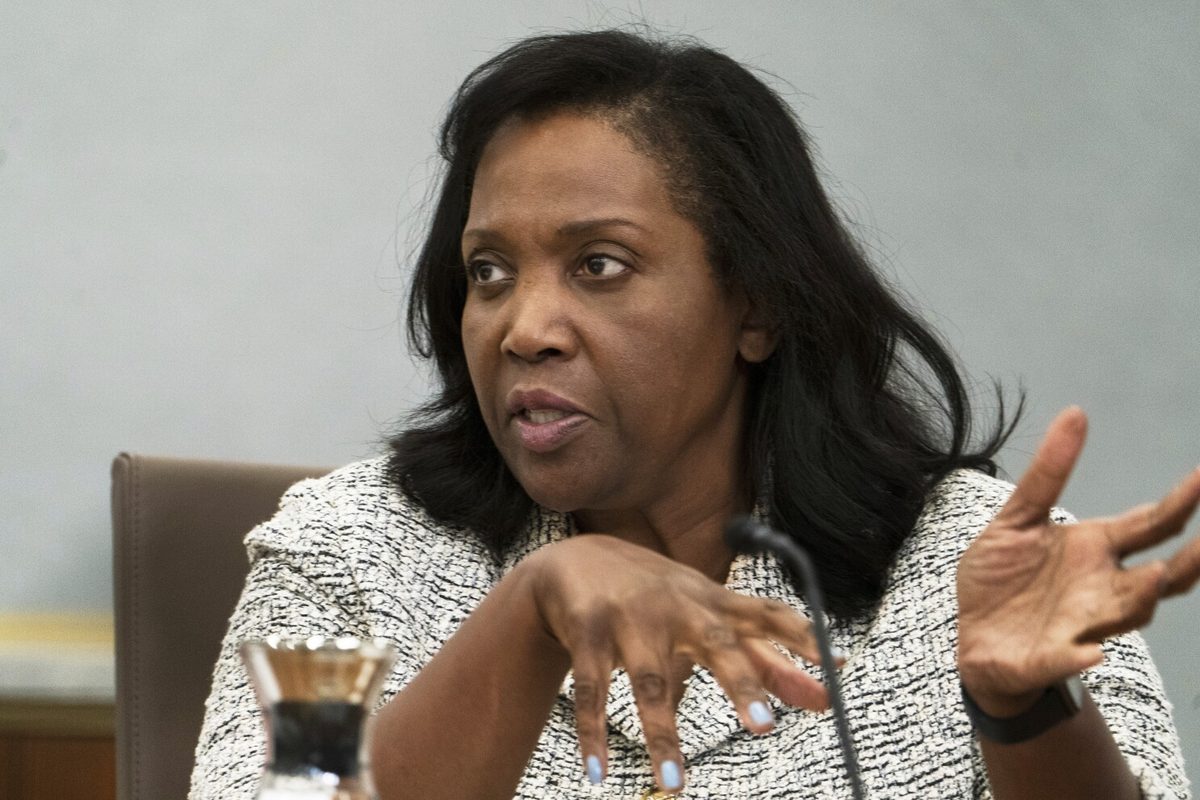
His August 2025 attempt to remove Governor Lisa Cook over unproven mortgage fraud allegations led to a Supreme Court showdown. In a January 21, 2026 hearing, all nine justices, including three Trump appointees, expressed skepticism about Trump's removal claims. Justice Brett Kavanaugh warned that the administration's position would "weaken, if not shatter, the independence of the Federal Reserve."
Fed Chair Jerome Powell attended the arguments and called the case "perhaps the most important legal case in the Fed's 113-year history." Nine days later, Trump nominated Kevin Warsh, a 55-year-old former Fed governor and Trump ally, to replace Powell when his term expires in May 2026. The nomination now faces unexpected obstacles.
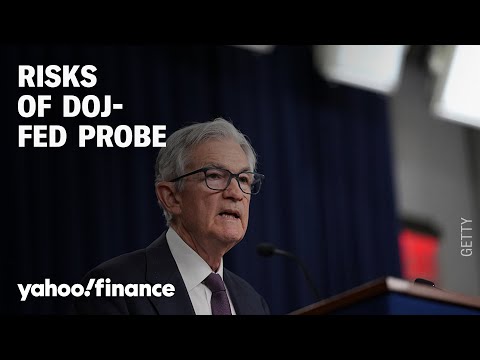
Senate Banking Committee Democrats have refused to hold confirmation hearings until Trump drops criminal investigations into both Powell and Cook, calling them "pretextual." Republican Senator Thom Tillis has vowed to block Warsh unless those investigations are resolved. This dual opposition could deadlock the 13-11 Republican majority and has created a perverse outcome: Powell may remain as FOMC chair beyond his May 2026 expiration if Warsh cannot be confirmed.
Yet Trump doubled down on February 3, telling reporters that U.S. Attorney Jeanine Pirro should "take it to the end and see" with the Powell probe, signaling no retreat. Trump appointee Stephen Miran resigned from the White House Council of Economic Advisers on February 4 after his temporary Fed appointment ended. The combined pressure is the most sustained presidential attack on Fed independence since its founding.
Questions about this story
Free account needed to ask — your question is kept and asked for you right after sign-up. Answers are public.
No questions yet — be the first to ask.
Key Indicators
112
Years of Fed Independence
No president has successfully removed a sitting Fed governor since the Federal Reserve's founding in 1913.
$2.5B
Fed Renovation Cost
The headquarters renovation project that triggered a DOJ criminal investigation into Chair Powell.
3
Former Fed Chairs Opposing
Greenspan, Bernanke, and Yellen all filed Supreme Court briefs against Cook's removal.
9-0
Justices Expressing Skepticism
All nine Supreme Court justices—including three Trump appointees—questioned the administration's removal claims during oral arguments.
13-11
Banking Committee Split
Narrow Republican majority means one GOP defection (Tillis) could deadlock Warsh confirmation.
14
Years in Cook's Term
Cook was confirmed to a term extending to 2038, designed to insulate Fed governors from political pressure.
Feb 4
Miran Resigns from CEA
Trump's most loyal Fed ally Stephen Miran resigned from Council of Economic Advisers after temporary appointment ended.
Images from Openverse under Creative Commons licenses.
Videos from YouTube.
Voices
Curated perspectives — historical figures and your fellow readers.
George Orwell
(1903-1950) ·Modernist · satire
Fictional AI pastiche — not real quote.
"The man who controls the money supply controls the truth about the money supply; and so the first step is always to replace the honest accountant with a loyal one, then to investigate the honest accountant for crimes, and finally to insist that none of this constitutes interference."
0% found this insightful
Ayn Rand
(1905-1982) ·Cold War · philosophy
Fictional AI pastiche — not real quote.
"How deliciously revealing: a man who claims to champion free markets cannot tolerate a single institution that escapes his will — for the true enemy of the statist is never the welfare program or the regulation, but the remnant of independence that reminds him power has limits. Trump does not wish to destroy the Federal Reserve; he wishes to *own* it — which is precisely how every looter throughout history has approached the machinery of civilization."
0% found this insightful
Ever wondered what historical figures would say about today's headlines?
Sign up to generate historical perspectives on this story.
25 events
Latest: February 4th, 2026 · 8 months ago
Showing 8 of 25
JK to step
Tap a bar to jump to that date
Jump to
February 2026
Stephen Miran Resigns from White House Council of Economic Advisers
LatestPolitical
Trump's most loyal Fed ally Stephen Miran resigns from CEA after his temporary Federal Reserve appointment ends January 31. Miran had pledged to step down if his Fed duties extended beyond that date, reducing direct White House-Fed proximity.
Senate Banking Committee Democrats issue statement demanding Warsh confirmation be delayed until criminal investigations into Powell and Cook are dropped, calling them "pretextual" efforts to control the Fed.
Trump Escalates Powell Investigation Despite Tillis Opposition
Statement
Trump tells reporters that U.S. Attorney Jeanine Pirro should continue the Powell investigation and "take it to the end and see," refusing to back down despite Senator Tillis's vow to block Warsh confirmation until the probe is resolved.
January 2026
Trump Nominates Kevin Warsh as Federal Reserve Chair
Executive Action
Trump announces nomination of Kevin Warsh, a former Fed governor (2006-2011) and longtime Trump ally, to replace Powell. Markets react negatively with stocks falling and Treasury yields rising. Senator Thom Tillis immediately vows to block confirmation until DOJ probe of Powell concludes.
Banking Committee Leadership Splits on Warsh
Political
Senate Banking Chairman Tim Scott (R-SC) endorses Warsh nomination, saying Trump's pick "reflects" focus on "accountability and credibility." Ranking Democrat Elizabeth Warren condemns it as Trump's attempt to "seize control of the Fed," calling Warsh someone "who cared more about helping Wall Street after the 2008 crash than millions of unemployed Americans."
Trump Previews Fed Chair Announcement
Statement
Trump announces on Truth Social that he will name his Fed chair pick the following day, describing the nominee as "somebody that could have been there a few years ago"—a reference to Warsh's runner-up status in 2017.
Fed Holds Rates Steady Despite Trump Pressure
Policy
Federal Reserve keeps interest rates unchanged at 3.6% in its first 2026 meeting. Two governors—including Trump appointee Stephen Miran—dissent, favoring a rate cut. Powell states economy is "on a firm footing," defying Trump's demands for aggressive cuts.
Powell Calls Cook Case 'Most Important in Fed History'
Statement
Fed Chair Powell describes the Supreme Court case over Trump's attempt to fire Lisa Cook as "perhaps the most important legal case in the Fed's 113-year history," underscoring the existential stakes for central bank independence.
Post-Argument Analysis: Court Likely to Block Removal
Legal
Legal analysts and news outlets report that oral arguments revealed unexpectedly strong opposition from all nine justices to Trump's removal claims, with even conservative Trump appointees expressing concerns about destroying Fed independence.
Supreme Court Hears Oral Arguments
Legal
Justices hear arguments in Trump v. Cook. Powell attends in rare public show of support. Decision expected by late June or early July 2026.
Trump Escalates Attacks on Powell
Statement
Trump calls Powell a "jerk" who "will be gone soon," intensifying pressure on the Fed chair.
Tillis Vows to Block All Fed Nominees
Political
Republican Senator Thom Tillis of North Carolina announces he will oppose confirmation of any Federal Reserve nominee—including for chair—until the DOJ investigation of Powell is "fully and transparently resolved." As a Banking Committee member, his opposition could deadlock confirmations.
Powell Reveals DOJ Criminal Investigation
Investigation
Fed Chair Powell discloses DOJ has served grand jury subpoenas and threatened criminal indictment over the $2.5B headquarters renovation. Powell calls it a "pretext" masking Trump's frustration with interest rates.
December 2025
Trump Proposes 'THE TRUMP RULE'
Statement
Trump demands that the Fed cut rates whenever markets perform well, proposing rates as low as 1% versus the current 3.5-3.75%.
Court Hears FTC Independence Case
Legal
Supreme Court hears Trump v. Slaughter, with conservative justices signaling support for expanding presidential removal power over independent agencies.
November 2025
Oral Arguments Scheduled
Legal
Supreme Court sets oral arguments for January 21, 2026.
October 2025
Supreme Court Defers Emergency Request
Legal
Court declines to immediately remove Cook, announces it will hear full arguments in January 2026.
September 2025
Former Fed Chairs File Brief Against Removal
Legal
Alan Greenspan, Ben Bernanke, and Janet Yellen—all three living former Fed chairs—submit Supreme Court brief opposing Cook's removal.
Trump Administration Appeals to Supreme Court
Legal
Solicitor General D. John Sauer files emergency petition asking the Supreme Court to immediately allow Cook's removal.
D.C. Circuit Affirms Injunction
Legal
Appeals court rules 2-1 to maintain the injunction, blocking Cook's removal before the Fed's September meeting.
Federal Judge Blocks Firing
Legal
Judge Jia Cobb issues preliminary injunction, finding Cook showed strong evidence her removal violated the Federal Reserve Act. Cobb rules "for cause" applies to conduct while in office.
August 2025
Cook Files Lawsuit
Legal
Cook's attorney Abbe Lowell announces she will sue to challenge her removal, arguing it violates the Federal Reserve Act's "for cause" protections.
Trump Announces Cook's Firing
Executive Action
Trump declares Cook removed from the Fed Board, the first presidential attempt to fire a sitting Fed governor in the central bank's 112-year history.
Trump Demands Cook's Resignation
Statement
Trump posts on Truth Social calling for Cook to resign from the Federal Reserve Board.
FHFA Director Sends Criminal Referral
Investigation
William Pulte refers Cook to Attorney General Bondi for alleged mortgage fraud related to property purchases in 2021, before she joined the Fed.
Scenarios
1
Court Rules for Cook, Fed Independence Preserved
Possible
Discussed by: Former Fed chairs in Supreme Court brief; Harvard Law Professor Daniel Tarullo; financial market analysts
The Supreme Court distinguishes the Fed from other agencies it has allowed the president to control, holding that the central bank's "unique" quasi-private structure and monetary policy role justify stronger removal protections. Cook remains in her position through 2038, and the Court affirms that "for cause" requires misconduct while in office. This outcome would validate the 112-year precedent and signal that Fed independence survives even as other agency protections fall.
2
Court Rules for Trump, Fed Governors Serve at President's Pleasure
Possible
Discussed by: Wall Street strategists warning of market disruption; economists at Brookings and Harvard; Trump administration officials
The Court extends its recent rulings gutting Humphrey's Executor to the Federal Reserve, holding that the president can remove governors without meaningful judicial review. This would enable Trump to reshape the Fed board immediately and install allies favoring aggressive rate cuts. Economists warn this would likely increase inflation expectations, push up long-term interest rates, and damage dollar credibility—the opposite of the administration's stated goals.
3
Court Returns Case on Narrow Procedural Grounds
Unlikely
Discussed by: Supreme Court analysts at SCOTUSblog; constitutional law professors
The Court sidesteps the constitutional question, ruling narrowly on whether Cook received adequate notice and opportunity to defend herself, or whether the alleged misconduct occurred "in office." This would leave Cook in place temporarily while requiring additional proceedings, delaying resolution past the 2026 midterms and Powell's May 2026 term expiration—but leaving the fundamental independence question unresolved.
4
Powell Resigns or Is Indicted Before Term Ends
Uncertain
Discussed by: CNBC, NPR, and CBS News analysts; Senator Thom Tillis (R-NC) in statements opposing any Trump Fed nominees
The DOJ criminal investigation pressures Powell into resignation or leads to indictment before his May 2026 term expiration. Trump then nominates a chair committed to aggressive rate cuts, regardless of the Cook ruling. Republican senators like Tillis have warned they would block any Fed nominees until the legal matter resolves, potentially creating a confirmation standoff.
5
Court Rules Narrowly for Cook, Requires Due Process Hearing
Likely
Discussed by: SCOTUSblog analysts following oral arguments; Justices Barrett and Jackson during questioning
Based on oral argument questions, the Court could rule that Cook cannot be removed without a hearing where she can respond to the mortgage fraud allegations. Justice Amy Coney Barrett questioned the lack of such a hearing, and Justice Ketanji Brown Jackson questioned the factual basis for removal. This outcome would keep Cook in place and require the administration to provide procedural protections before any future removal attempt—without resolving the broader constitutional question about Fed independence.
6
Warsh Confirmed, Fed Independence Eroded Through Personnel
Possible
Discussed by: Economists at Peterson Institute; Wall Street analysts; former Fed officials warning of politicization
Senate confirms Warsh after either Tillis relents or DOJ drops Powell investigation. Combined with a Supreme Court ruling allowing presidents broader removal power, Trump reshapes the Fed board with governors favoring aggressive rate cuts. This outcome doesn't formally end Fed independence but effectively subordinates monetary policy to presidential preferences through personnel pressure. Markets react with higher long-term rates as investors price in inflation risk from politicized decision-making.
7
Tillis Deadlocks Warsh Confirmation, Powell Stays
Possible
Discussed by: Senate Banking Committee analysts; Roll Call and Politico congressional reporters; constitutional law scholars
Tillis maintains opposition through Powell's May 2026 term expiration, deadlocking the 13-11 Banking Committee and preventing a floor vote on Warsh. With no confirmed replacement, Powell could remain as a Fed governor (his 14-year term extends to 2028) while Trump designates another sitting governor as acting chair. This creates constitutional ambiguity about whether Trump can demote Powell from chair to governor without Senate approval, potentially spawning new litigation.
Discussed by: CNBC and Bloomberg analysts; former Justice Department officials; Senate Republicans including Tillis
The DOJ criminal investigation results in indictment of Powell before his term expires, forcing him to resign or continue serving under indictment. This unprecedented scenario would test whether a sitting Fed chair under criminal charges can maintain credibility with markets and foreign central banks. It would also likely trigger Tillis and other Republicans to block Warsh indefinitely, creating a leadership vacuum at the Fed during a potential constitutional crisis.
9
Powell Remains as FOMC Chair Beyond May 2026 Due to Confirmation Deadlock
If Warsh cannot be confirmed due to Tillis opposition and Democratic obstruction, Powell could remain as FOMC chair (distinct from Board of Governors role) beyond his May 2026 term expiration. This creates constitutional ambiguity about whether a Fed governor can serve as chair without Senate confirmation and whether Trump can demote Powell from chair to governor without approval. The scenario would leave the Fed in leadership limbo while the Cook case and Powell investigation proceed.
Historical Context
3 moments from history that rhyme with this story — and how they unfolded.
1 of 3
October 1933 - May 1935
Humphrey's Executor v. United States (1935)
President Franklin Roosevelt fired FTC Commissioner William Humphrey over policy disagreements on New Deal economic regulation. Humphrey died the following year, and his estate sued for back pay. The Supreme Court ruled unanimously that Congress could protect commissioners of "quasi-legislative" agencies from arbitrary removal, limiting the president to firing only for "inefficiency, neglect of duty, or malfeasance."
Then
Roosevelt's firing was invalidated. The estate received back pay.
Now
The ruling became the constitutional foundation for independent agencies—the FTC, SEC, NLRB, and Federal Reserve all relied on it. For 90 years, it insulated regulatory bodies from presidential control.
Why this matters now
The Trump administration has asked the Supreme Court to overrule Humphrey's Executor entirely. If the Court does so while ruling against Cook, the 90-year foundation for agency independence collapses, and the Fed's protected status disappears.
2 of 3
August 1979 - November 1982
Volcker's War on Inflation (1979-1982)
Fed Chair Paul Volcker raised short-term interest rates to nearly 20% to break 14% inflation—triggering the worst recession since the Great Depression. Unemployment hit 11%. Farmers blockaded the Fed building with tractors. Congressman George Hansen threatened impeachment. In July 1984, President Reagan and Chief of Staff James Baker summoned Volcker to the White House and ordered him not to raise rates before the election.
Then
Volcker held firm. Inflation fell below 4% by 1983. Reagan publicly supported price stability despite private pressure.
Now
The Volcker shock established central bank independence as essential to credible monetary policy. Economists credit Fed autonomy with four decades of stable inflation and the dollar's reserve currency status.
Why this matters now
Volcker's success required resisting political pressure at enormous short-term cost. If presidents can fire Fed governors who raise rates, future chairs may lack the credibility to make unpopular but necessary decisions.
3 of 3
July 1832 - March 1836
Andrew Jackson vs. the Second Bank of the United States (1832-1836)
President Andrew Jackson vetoed the recharter of the Second Bank of the United States, calling it a dangerous concentration of power that threatened democracy. He then removed federal deposits from the bank and distributed them to state-chartered "pet banks." Bank president Nicholas Biddle retaliated by restricting credit, triggering a financial panic.
Then
The Second Bank's charter expired in 1836. Jackson won reelection decisively in 1832.
Now
The U.S. lacked a central bank for 77 years. Financial panics in 1873, 1893, and 1907 led Congress to create the Federal Reserve in 1913—deliberately decentralizing it to prevent another Jackson-Biddle conflict.
Why this matters now
The Federal Reserve's founders designed it specifically to avoid the executive-central bank warfare that destroyed the Second Bank. The Supreme Court has cited this history, calling the Fed a "uniquely structured, quasi-private entity" in the tradition of the early national banks.