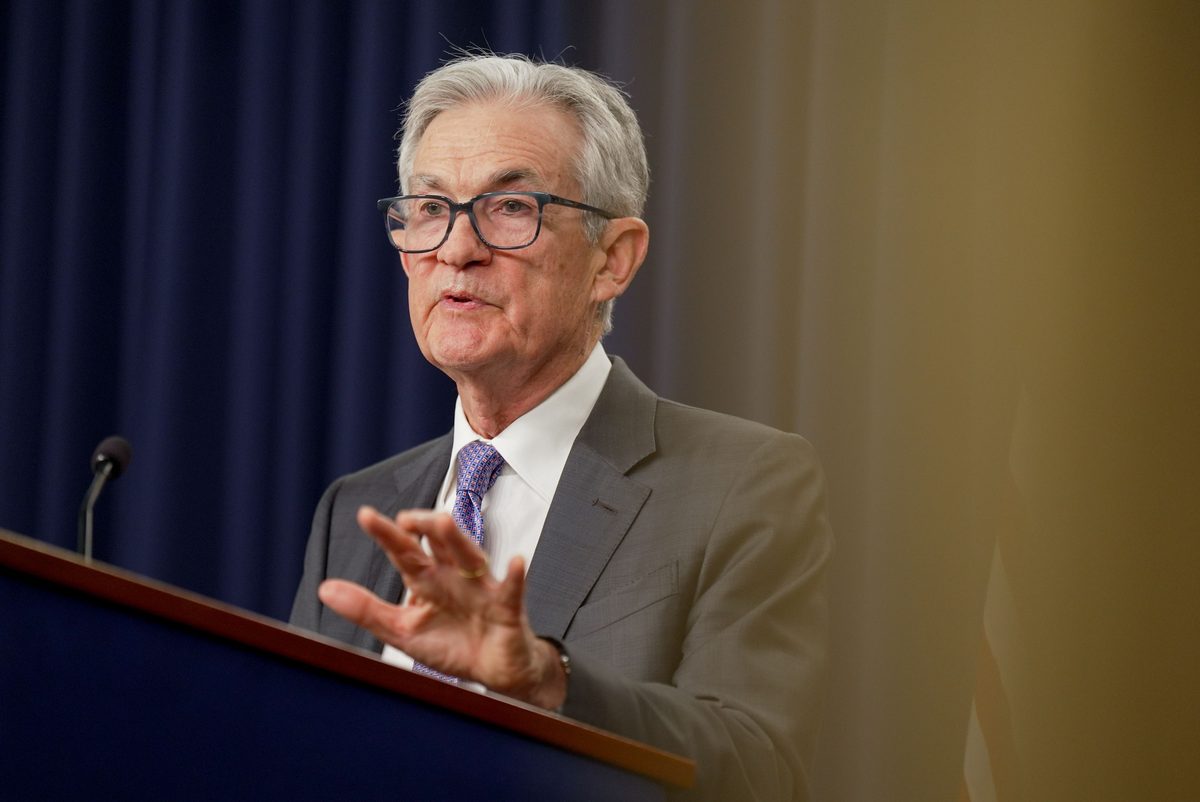
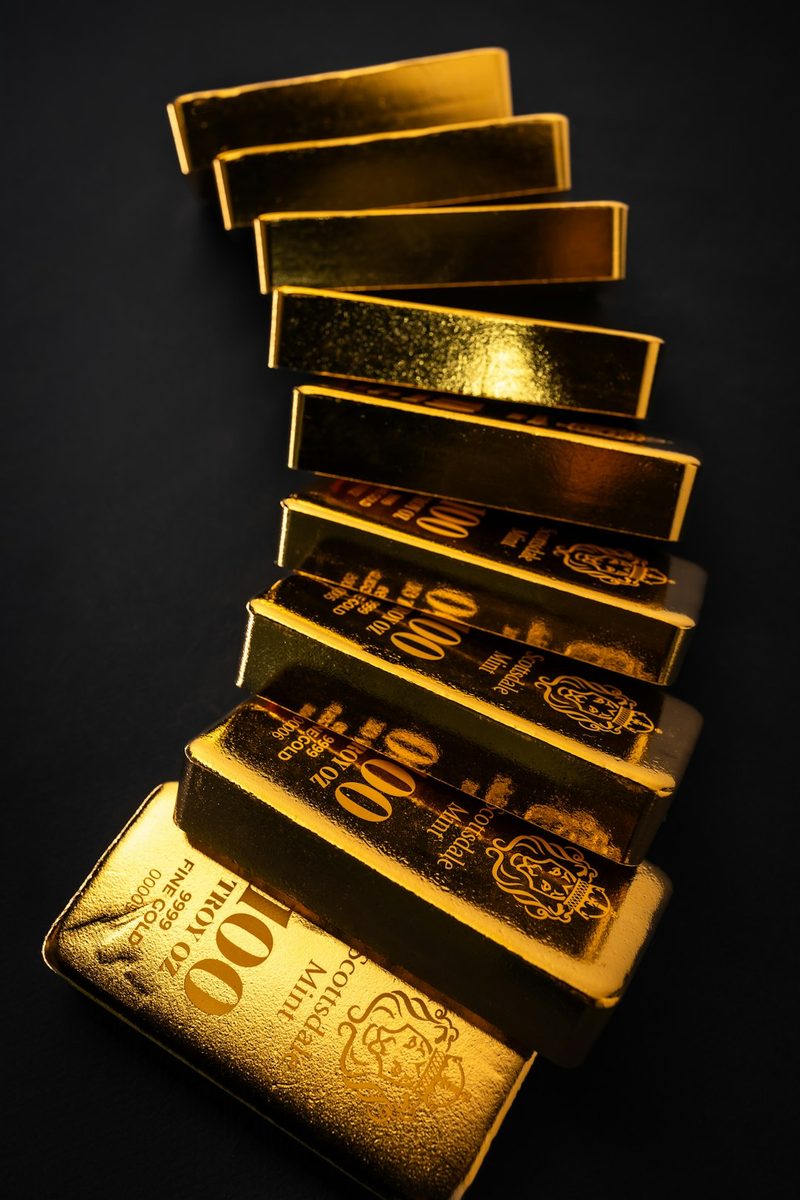
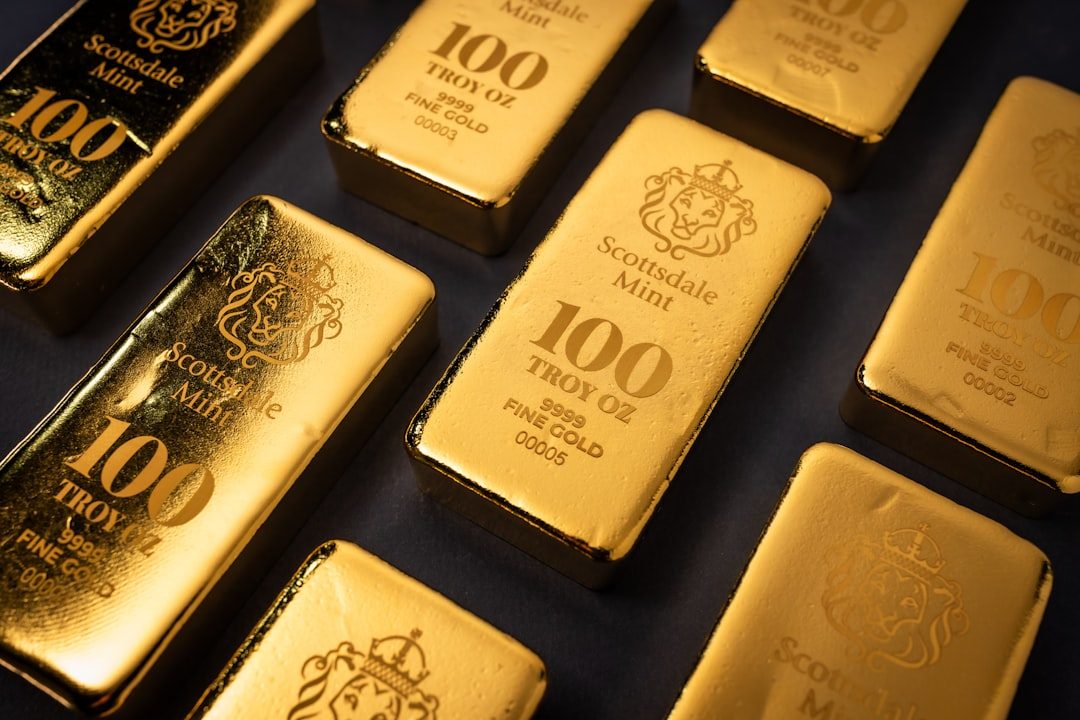
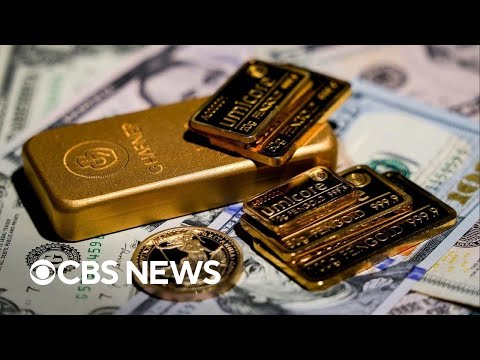
On January 30, 2026, President Trump nominated former Fed Governor Kevin Warsh to succeed Jerome Powell as Fed Chair when Powell's term expires in May. Gold, which had surged to a record $5,626 per ounce amid the constitutional crisis over Powell's criminal investigation, plunged 11% in hours as investors bet Warsh would preserve central bank independence.
Silver crashed 30%, its worst day since 1980. The dollar index spiked to 97.14, recovering from multi-year lows below 96. By February 3-5, gold had rebounded to $5,070 as investors reassessed the confirmation timeline and the investigation's trajectory.
The rally began January 26 when gold broke $5,000 for the first time. DOJ grand jury subpoenas, served January 9 over Powell's congressional testimony about a $2.5 billion headquarters renovation, drove the move. Powell called the probe 'pretextual' and said it was retaliation for the Fed's refusal to cut rates faster.
Three former Fed Chairs issued a joint condemnation; twelve global central bank governors declared 'full solidarity.' On January 21, all nine Supreme Court justices — liberal and conservative — expressed skepticism of Trump's power to remove Fed governors during oral arguments. On January 28, the Fed held rates steady at 3.5-3.75% in a split decision.
Miran and Waller, both Trump appointees, dissented in favor of cuts. Warsh's confirmation faces a Senate Banking Committee blockade: Senators Thom Tillis and Lisa Murkowski pledged to block all Fed nominees until the DOJ investigation resolves. By early February, other Senate Banking Republicans, including Chair Tim Scott, signaled openness to moving Warsh forward if the investigation concludes.
Scott said Powell 'likely didn't commit a crime.' Stephen Miran resigned from his White House CEA post on February 4 to comply with Fed independence rules. UBS analysis suggests Powell could remain as FOMC chair beyond May if the investigation stalls.
Questions about this story
Free account needed to ask — your question is kept and asked for you right after sign-up. Answers are public.
No questions yet — be the first to ask.
Key Indicators
$5,070
Gold Rebound (Feb 3)
Recovered 3% after Jan 30 crash; trading above $5,000 amid confirmation uncertainty
115%+
Gold Rally (12 Months)
Year-over-year increase driven by central bank buying and Fed independence crisis
97.14
Dollar Index (DXY)
Surged Jan 30 after Warsh nomination, recovering from 96.00 multi-year low
12-12
Senate Banking Deadlock
Tillis blockade creates tie vote, but other Republicans signal path to resolution
3.5-3.75%
Federal Funds Rate
Held steady January 28 despite Trump appointee dissents favoring cuts
Senate Banking Committee Chair Tim Scott states Powell 'made a significant error in judgment' but 'I don't believe he committed a crime,' signaling Republican willingness to move past investigation.
Stephen Miran Resigns from White House CEA Post
Political
Trump's most loyal Fed appointee Stephen Miran resigns from Council of Economic Advisers to comply with Fed independence rules, reducing direct White House-Fed proximity.
Senate Banking Republicans Signal Path to Warsh Confirmation
Political
Prominent Republicans on Senate Banking Committee, including Sens. Kennedy and Rounds, indicate willingness to advance Warsh nomination if Powell investigation concludes, suggesting Tillis blockade may not hold.
UBS: Powell May Remain as FOMC Chair Beyond May
Analysis
UBS chief economist Paul Donovan notes that if Trump doesn't drop Powell investigation, 'raises the prospect of Chair Powell staying on as FOMC chair (not Board of Governors chair) beyond May.'
Trump Endorses Continuing Powell Investigation
Political
Trump tells reporters DOJ should 'take it to the end and see' regarding Powell probe, contradicting signals that investigation might be dropped to facilitate Warsh confirmation.
Gold Rebounds to $5,070 After Plunge
Market
Gold recovers 3% to $5,070 per ounce after January 30 crash, as investors reassess Warsh confirmation timeline and Powell investigation trajectory.
January 2026
Trump to Announce Warsh as Fed Chair Nominee
Political
Trump confirmed he will announce former Fed Governor Kevin Warsh as his choice to succeed Powell when term expires in May. Prediction markets put Warsh at 80% probability. Faces potential Senate blockade from Tillis and Murkowski.
Trump Nominates Kevin Warsh as Fed Chair
Political
Trump announces Warsh nomination via Truth Social: 'I have known Kevin for a long period of time, and have no doubt that he will go down as one of the GREAT Fed Chairmen, maybe the best.' Senate Majority Leader Thune acknowledges Warsh 'probably cannot' win confirmation without Tillis support.
Gold Crashes 11%, Silver Down 30% in Worst Day Since 1980
Market
Gold plunges from $5,626 record high to below $5,000 as Warsh nomination eases Fed independence fears. Silver suffers worst single-day crash since 1980. Dollar index surges to 97.14 as safe-haven premium evaporates. Stock futures fall, Treasury yields rise on expectations of hawkish Fed leadership.
Tillis Confirms Blockade Will Hold Against Warsh
Political
Sen. Thom Tillis reaffirms he will oppose Warsh nomination until DOJ probe of Powell resolved. Senate Banking Committee splits 13-11 Republican majority, but Tillis opposition creates 12-12 deadlock. Murkowski maintains pledge to block nominees, compounding confirmation challenges.
Gold Surges Past $5,500 Per Ounce
Market
Gold extends record-breaking rally above $5,500, more than doubling in twelve months. Safe-haven demand accelerates as Fed independence crisis deepens and dollar weakens to multi-year lows.
Fed Holds Rates at 3.5-3.75% in Split Decision
Policy
FOMC maintains federal funds rate despite Trump appointees Stephen Miran and Christopher Waller dissenting in favor of quarter-point cut. Powell defies political pressure, stating economy on 'firm footing.' First split vote at Fed under investigation.
Dollar Falls Below 96 on DXY Index
Market
US Dollar Index breaches critical 96.00 support level as global capital flows retreat from American assets. Fed independence concerns and rare NY Fed 'rate check' with currency traders accelerate dollar weakness.
Gold Breaks $5,000 Barrier for First Time
Market
Gold officially breaches $5,000 milestone, reaching $5,104. Rally catalyzed by Fed independence crisis, geopolitical tensions including 'Greenland Gambit' tariff threats, and weakening dollar. Analysts project potential $6,000 by Q2 2026.
Supreme Court Skeptical of Trump's Power to Fire Fed Governors
Legal
All nine Supreme Court justices—liberal and conservative—express doubts about presidential authority to remove Fed governors during two-hour oral arguments in Trump v. Cook. Justice Kavanaugh warns Trump's position 'would weaken, if not shatter, the independence of the Federal Reserve.' Powell and Cook both attend arguments.
Trump Signals Warsh as Likely Fed Chair Pick Over Hassett
Political
Trump tells Hassett 'I want to keep you where you are' at White House event, signaling former Fed Governor Kevin Warsh now frontrunner for Fed Chair. Prediction markets shift to 60% probability for Warsh vs 16% for Hassett. Treasury yields rise as markets price in less dovish Fed leadership.
Dollar Index Recovers to 99.4, Seven-Week High
Market
DXY strengthens to 99.4 after strong jobless claims data, reversing earlier weakness from Fed independence concerns. Markets reduce rate cut expectations for 2026.
Gold Stabilizes Around $4,600 After Record Rally
Market
Gold trades at $4,600 per ounce, down $35 from record high but up $1,886 year-over-year. Analysts project potential for $5,000 in 2026.
Gold Reaches All-Time High of $4,641
Market
Gold price peaks at $4,641.14 during trading, extending safe-haven rally. Analysts project prices could reach $5,000 in first half of 2026.
Trump Nominates Kevin Hassett as Next Fed Chair
Political
Trump announces White House National Economic Council Director Kevin Hassett as his choice to succeed Powell in May. Also interviewed former Fed Governor Kevin Warsh and BlackRock's Rick Rieder.
Powell May Skip Congressional Testimony Over Investigation
Legal
Fed Chair Powell may skip his next scheduled appearance before Congress due to DOJ subpoenas, according to key Republican lawmaker. Would be first time a Fed Chair declined to testify.
Three Former Fed Chairs Issue Joint Condemnation
Statement
Alan Greenspan, Ben Bernanke, and Janet Yellen—who led the Fed for three decades combined—call the criminal inquiry 'an unprecedented attempt to use prosecutorial attacks to undermine' Fed independence.
House Republicans Join Senate Opposition
Political
Multiple House Republicans join criticism of DOJ investigation, warning it undermines Fed independence. Louisiana Senator John Kennedy says 'We need this like we need a hole in the head.'
Gold Hits Record $4,620; Global Central Bankers Back Powell
Market
Gold reaches new all-time high. Twelve central bank governors—ECB, Bank of England, and others—issue joint statement of 'full solidarity' with Powell.
Trump Calls Powell 'Incompetent or Crooked'
Political
Trump escalates rhetoric: 'That jerk will be gone soon.' Senator Tillis pledges to block all Fed nominees until investigation resolved.
Gold Breaks $4,600; Dollar Falls
Market
Gold hits record $4,568, then $4,616. Silver surges to $84.88. Dollar index falls to 98.9 as investors flee U.S. assets.
Bessent Tells Trump Investigation 'Made a Mess'
Political
Treasury Secretary expresses concern about market impact; sources say he expected Powell to resign, not dig in.
House Democrats Demand Congressional Investigation of DOJ Probe
Political
Rep. Jamie Raskin and other Judiciary Democrats ask Chairman Jim Jordan to investigate DOJ's Powell probe, calling it a 'sham investigation.' Request hearing with AG Bondi and DOJ officials.
Senator Murkowski Joins Tillis in Blocking Fed Nominees
Political
Alaska Sen. Lisa Murkowski backs Tillis pledge after speaking with Powell, calls investigation 'nothing more than an attempt at coercion.' Demands Congress investigate DOJ instead.
Trump Denies Involvement in Powell Investigation
Political
Trump tells NBC News 'I don't know anything about it' regarding DOJ probe, adding Powell is 'not very good at the Fed, and he's not very good at building buildings.'
Powell Releases Defiant Video Statement
Statement
Powell calls investigation 'pretextual,' says it's retaliation for the Fed setting rates 'based on our best assessment' rather than 'the preferences of the President.'
DOJ Serves Fed with Subpoenas
Legal
U.S. Attorney Jeanine Pirro's office issues grand jury subpoenas to the Federal Reserve over Powell's June testimony.
August 2025
Trump Attempts to Fire Lisa Cook
Legal
First presidential attempt to remove a Fed governor in the central bank's 112-year history. Courts block the action.
Fed Governor Cook Accused of Mortgage Fraud
Legal
FHFA director accuses Fed Governor Lisa Cook of mortgage fraud; DOJ opens investigation. Trump attempts to remove her from the board.
July 2025
Luna Files Perjury Referral
Legal
Rep. Anna Paulina Luna sends criminal referral to AG Bondi alleging Powell lied under oath about renovation features.
Trump Discusses Firing Powell
Political
Trump reportedly shows legislators a draft letter to fire Powell during congressional meeting.
June 2025
Powell Testifies on Renovation
Congressional
Powell tells Senate Banking Committee the $2.5B headquarters renovation does not include luxury features. This testimony becomes the basis for perjury allegations.
November 2024
Fed Begins Rate-Cutting Cycle
Policy
First of five quarter-point cuts since Trump won 2024 election, from 4.5-4.75% toward 3.5-3.75%.
May 2022
Powell Reconfirmed for Second Term
Appointment
Biden reappoints Powell; Senate confirms him for four more years as Fed Chair.
August 2019
Trump Calls Powell 'Enemy'
Political
After trade war escalation, Trump questions whether Powell or Xi Jinping is a greater 'enemy' of the U.S.
July 2018
Trump Criticizes Powell Over Rates
Political
Trump says he is 'not thrilled' with Powell's rate hikes, beginning years of public pressure on the Fed.
February 2018
Powell Takes Fed Chair
Appointment
Trump's nominee Jerome Powell sworn in as 16th Fed Chair, the first without an economics degree.
Scenarios
1
Powell Serves Out Term, Investigation Stalls
Possible
Discussed by: Wall Street analysts, Fortune, Bloomberg
Powell remains in office until May 2026. The investigation produces no indictment, either because prosecutors lack evidence of intentional false statements or because the case becomes politically untenable. Trump nominates a successor (Waller, Hassett, or Warsh), but Senator Tillis's pledge to block nominees delays confirmation. Powell stays on the board after his Chair term expires, as previous chairs have done. Markets stabilize as the crisis loses urgency.
2
Powell Indicted, Constitutional Crisis Escalates
Possible
Discussed by: Democracy Docket, academic legal analysts, international observers
DOJ indicts Powell for perjury or false statements. Powell refuses to resign, arguing the charges are pretextual. Legal battle ensues over whether a sitting Fed Chair can be prosecuted while in office. Global central banks escalate their response. Gold surges toward $5,000 as HSBC projects. Dollar reserve status comes under sustained pressure. The Fed's ability to conduct monetary policy is impaired by the distraction and political uncertainty.
3
Fed Independence Permanently Weakened
Uncertain
Discussed by: Council on Foreign Relations, former Fed officials, JPMorgan CEO Jamie Dimon
Even without conviction, the precedent of prosecuting a Fed Chair chills future monetary policy decisions. Trump's successor proves more compliant on rates. The Fed loses credibility as an inflation-fighting institution. Inflation expectations rise, forcing higher long-term interest rates even as the Fed cuts short-term rates. The 1970s pattern—political interference leading to stagflation—partially repeats. Dollar's reserve share continues declining toward 50%.
4
Backfire: Fed Independence Strengthened
Unlikely
Discussed by: Fortune, Wall Street strategists, Senator Tillis
Bipartisan backlash to the investigation leads to legislative action protecting Fed independence. The investigation collapses or produces acquittal. Future administrations face higher political costs for pressuring the Fed. The episode becomes a cautionary tale that reinforces norms. Gold rally reverses as crisis premium evaporates. However, this scenario requires sustained Republican opposition to the administration—currently limited to a few senators.
5
Warsh Confirmed, Implements Hawkish Pivot
Possible
Discussed by: Wall Street analysts, Evercore ISI, Treasury market traders
Kevin Warsh wins Senate confirmation as Fed Chair in May 2026 despite Tillis-Murkowski opposition, which collapses after DOJ quietly drops Powell investigation. Warsh, more hawkish than Hassett or Powell, signals fewer rate cuts and prioritizes inflation fighting over growth. Treasury yields rise sharply. Gold rally moderates as constitutional crisis recedes but dollar strengthens on tighter monetary policy expectations. Powell investigation becomes a historical footnote, but the precedent of prosecuting a Fed Chair chills future independence.
6
Supreme Court Empowers Presidential Removal
Uncertain
Discussed by: Constitutional scholars, Supreme Court analysts at SCOTUSblog, Mayer Brown
On January 21, Supreme Court oral arguments in Trump v. Cook signal a majority willing to expand presidential removal authority over Fed governors. If the Court rules for Trump (decision expected by June), the president gains power to remove Fed officials beyond the narrow 'for cause' standard. This precedent would apply not just to Cook but potentially to Powell and future chairs. Fed independence suffers permanent structural damage. Central bank credibility erodes globally. Gold surges toward $5,000 as the 1951 Treasury-Fed Accord framework unravels.
7
Warsh Confirmed After DOJ Quietly Drops Investigation
Possible
Discussed by: Senate Banking Committee analysts, Bloomberg Law
DOJ quietly closes Powell investigation after determining evidence insufficient for perjury charges. Tillis-Murkowski blockade collapses, allowing Warsh confirmation in April-May 2026. Warsh, more hawkish than Powell, signals commitment to Fed independence and fewer rate cuts. Gold rally moderates as constitutional crisis recedes but remains elevated above $4,500. Dollar stabilizes near 98-99. Historical precedent set by investigating sitting Fed Chair chills future independence but institution survives intact.
8
Senate Blockade Holds, Warsh Nomination Fails
Possible
Discussed by: Senate Banking Committee watchers, political analysts at Politico
Tillis and Murkowski refuse to break blockade while DOJ investigation remains open. Warsh nomination stalls in Senate Banking Committee 11-11-2 deadlock. Powell's term expires May 2026 but he remains on board as governor. Vice Chair Philip Jefferson becomes acting chair, creating leadership vacuum. Markets price in extended uncertainty—gold pushes toward $6,000, dollar continues weakening below 95. Trump escalates attacks on Republican 'obstructionists' but lacks Senate votes to overcome resistance.
Discussed by: Constitutional scholars at Harvard Kennedy School, Fed historians
Despite oral argument skepticism, Supreme Court issues narrow 5-4 ruling in June 2026 allowing presidential removal of Fed governors with expanded 'for cause' definition. Ruling applies to Cook and potentially Powell. Trump immediately removes both. Warsh confirmed as emergency replacement Chair without normal vetting. Gold surges toward $7,000 as 1951 Treasury-Fed Accord framework unravels. Dollar loses additional reserve share as foreign central banks accelerate diversification. Financial markets enter sustained volatility.
10
Powell Indicted, Markets Enter Crisis Mode
Unlikely
Discussed by: Legal analysts at Democracy Docket, international financial observers
Grand jury returns perjury indictment against sitting Fed Chair in February 2026. Powell refuses to resign, citing pretextual charges. Legal battle over whether Fed Chair can be prosecuted while in office paralyzes monetary policy. Supreme Court expedites hearing. Gold explodes past $6,500. Dollar crashes below 90 as foreign holders dump Treasuries. Fed governors split on whether to continue operations with Chair under indictment. Global financial system faces 1970s-magnitude crisis of confidence in dollar's reserve status.
Discussed by: Constitutional law scholars, Democracy Docket analysts
Grand jury returns perjury indictment against Powell in February despite Warsh nomination, proving investigation was substantive rather than pressure tactic. Constitutional crisis deepens as sitting Fed Chair faces trial while serving final months. Gold re-surges past $6,000. Dollar crashes below 95. Senate Banking Committee deadlock intensifies as Democrats join Tillis-Murkowski blockade. Fed governance paralyzed through May succession.
12
Warsh Withdraws Nomination Amid Senate Math
Possible
Discussed by: Senate Banking Committee watchers, Bloomberg Government analysts
Facing 12-12 deadlock and protracted confirmation battle, Warsh withdraws his name from consideration by March. Trump forced to nominate more confirmable candidate or accept Powell remaining on board as governor after May term expires. Philip Jefferson becomes acting chair, creating extended leadership uncertainty. Markets price in policy drift—gold stabilizes around $4,800-$5,200 range, dollar remains weak near 96-97.
13
Trump Drops Investigation, Warsh Confirmed by April
Trump administration signals closure of Powell investigation in late February. Tillis blockade collapses as investigation 'resolves.' Warsh advances out of committee and wins Senate floor confirmation by April 2026. Powell remains as FOMC chair through May transition. Markets stabilize as constitutional crisis recedes. Gold moderates toward $4,800-$5,000 range as safe-haven premium evaporates.
14
Powell Remains FOMC Chair Through 2026, Warsh Stalled
Trump refuses to drop Powell investigation despite Republican pressure. Tillis maintains blockade. Warsh nomination stalls in committee. Powell's term as chair expires May 2026 but he remains on FOMC as governor, creating extended leadership vacuum. Vice Chair Jefferson becomes acting chair. Markets price in policy drift and uncertainty. Gold stabilizes $5,000-$5,300 range as crisis persists without resolution.
Miran's February 4 resignation from CEA to comply with Fed independence rules becomes symbolic turning point. Trump administration backs away from direct White House-Fed coordination. Powell investigation quietly closes without indictment. Warsh confirmed as compromise candidate who preserves independence. Markets interpret as victory for institutional norms. Gold rally moderates as constitutional crisis narrative fades.
Historical Context
3 moments from history that rhyme with this story — and how they unfolded.
1 of 3
1970-1974
Nixon-Burns Affair (1970-1974)
President Nixon pressured Fed Chair Arthur Burns, his friend and appointee, to keep rates low before the 1972 election. The Nixon tapes captured Nixon demanding Burns 'start expanding the money supply.' Burns wrote in his diary that Nixon 'looked wild' and 'was going mad.' Nixon's team floated proposals to pack the Fed board with loyalists and planted false stories about Burns demanding pay raises.
Then
Burns accommodated Nixon. Inflation reached double digits by 1974.
Now
The stagflation decade required Paul Volcker's painful rate hikes to 20% to break. The episode became the textbook case for why central bank independence matters.
Why this matters now
The current investigation represents a more direct attack—criminal prosecution versus pressure campaigns—but the mechanism is the same: using executive power to push for looser monetary policy. Research estimates Nixon-era pressure permanently raised the U.S. price level by 8%.
2 of 3
July 2019 - 2023
Turkey Central Bank Crisis (2019-2023)
President Erdogan fired three central bank governors in two years for resisting his demand for lower rates. He replaced them with loyalists who cut rates even as inflation soared. Erdogan, citing Islamic principles, insisted high rates cause inflation—contradicting mainstream economics.
Then
The Turkish lira lost 44% of its value in 2021 alone. Inflation peaked at 85% in 2022.
Now
Turkey's central bank lost credibility entirely. International investors fled. The lira became essentially uninvestable for foreign institutions.
Why this matters now
Turkey shows the endpoint when central bank independence is eliminated: currency collapse and inflation spiraling beyond control. The U.S. case differs in scale—the dollar's reserve status provides more cushion—but the mechanism of political interference producing inflation expectations is identical.
3 of 3
March 1951
Treasury-Fed Accord (1951)
Since WWII, the Fed had been required to support Treasury bond prices, effectively surrendering control of interest rates. After inflation hit 21% during the Korean War, Fed Chair Thomas McCabe and the Treasury reached an accord allowing the Fed to set rates independently. President Truman was furious and pressured McCabe to resign.
Then
McCabe resigned within weeks. But the independence framework survived.
Now
The Accord established the modern Fed's operational independence, considered foundational to 70 years of relative price stability.
Why this matters now
The 1951 Accord shows that Fed independence was itself won through conflict with the executive branch. The current crisis tests whether that settlement holds when a president is willing to deploy prosecutorial power rather than just political pressure.