




Pull to refresh
Logo
Federal court upholds CPSC order holding Amazon responsible for hazardous products

Federal court upholds CPSC order holding Amazon responsible for hazardous products

Rule Changes

The ruling covers more than 400,000 carbon monoxide detectors, hair dryers and children's sleepwear sold by third-party sellers and shipped through Fulfillment by Amazon

Overview

Updated 38 minutes ago

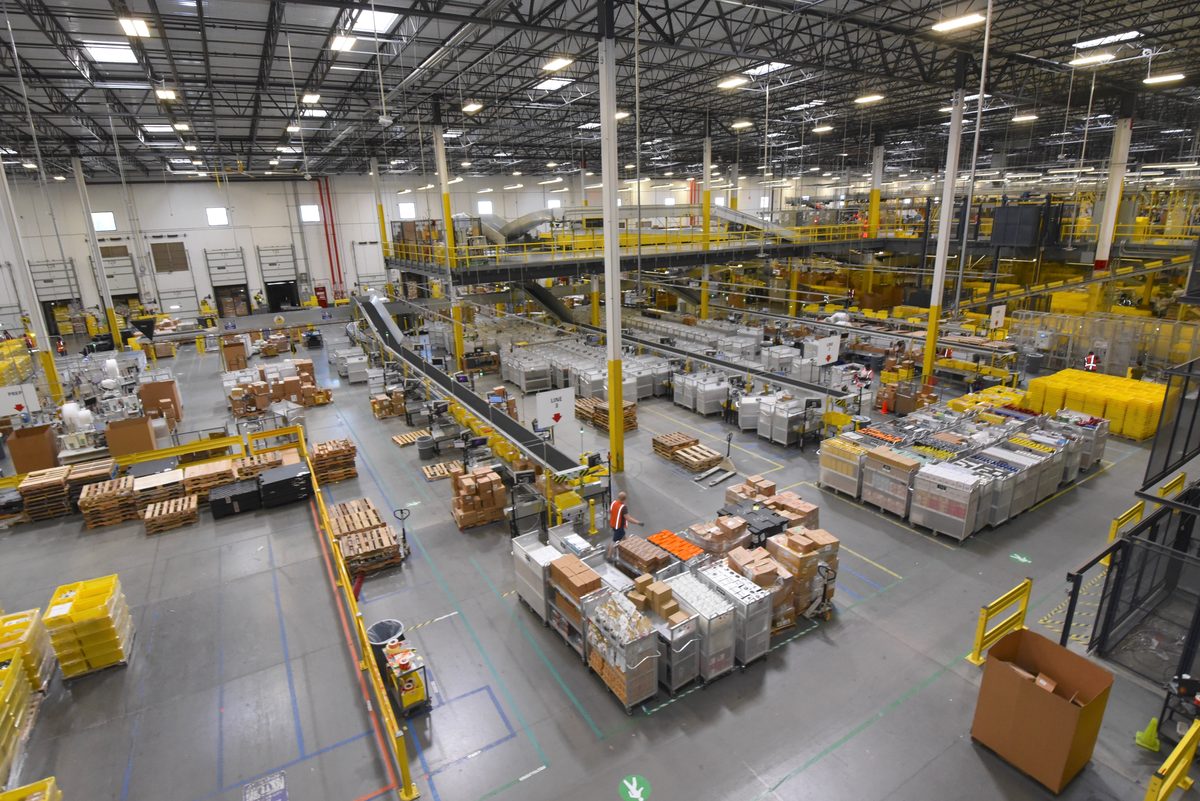
Amazon stored and shipped faulty carbon monoxide detectors, hair dryers without electrocution protection, and children's sleepwear that failed federal flammability rules for outside sellers. On November 24, 2026, a federal judge ruled the company has to answer for them.

The U.S. District Court for the District of Maryland granted summary judgment to the Consumer Product Safety Commission and dismissed Amazon's challenge. The question was whether Amazon counts as a distributor under the Consumer Product Safety Act when it takes possession of goods through Fulfillment by Amazon. Distributors must warn the public about hazards and help get dangerous products out of homes.

Amazon argued that the third-party sellers own the products and hold title, so the safety duty is theirs. The court's order leaves the commission's January 2025 decision in place, including five years of monthly progress reports and recall notices that must stay on Amazon's website.

Why it matters

If it holds, any warehouse that stores and ships goods it doesn't own can be ordered to run the recall.

Questions about this story

Free account needed to ask — your question is kept and asked for you right after sign-up. Answers are public.

No questions yet — be the first to ask.

Key Indicators

400,000+
Hazardous products in the order
Faulty carbon monoxide detectors, unprotected hair dryers and noncompliant children's sleepwear sold by third-party sellers.
5 years
Monthly progress reports required
Amazon must also keep recall notices on its website for at least five years.
3
Product categories covered
Each category failed a specific federal safety standard.

Voices

Curated perspectives — historical figures and your fellow readers.

Sign up to generate historical perspectives on this story.

People Involved

Organizations Involved

Timeline

2021 November 2026

8 events Latest: Yesterday
Tap a bar to jump to that date
  1. CPSC announces the ruling

    Latest Statement

    The commission calls the order a victory for shoppers online and in stores.

  2. Commission issues its decision and order

    Regulatory

    The order requires Amazon to notify purchasers and carry out the recalls.

  3. Commission rules Amazon is a distributor

    Regulatory

    The commission unanimously finds Amazon responsible for recalls of the hazardous items.

  4. Amazon refunds buyers and sends two rounds of notices

    Company action

    Amazon says it contacted affected customers and refunded purchases in 2021 and 2022.

Scenarios

1

Amazon appeals to the Fourth Circuit and the recall order is paused

Possible Resolves by Q2 2027

Discussed by: Amazon's court filings as summarized by the law firm Foley & Lardner, which expects further appellate scrutiny after Loper Bright

Amazon has 60 days from the November 24 order to file a notice of appeal. Its three arguments are already on the record: the commission read the statute too broadly, it acted arbitrarily by demanding another round of notices and refunds, and the commissioners were judge, jury and prosecutor in their own proceeding. A stay would suspend the notice and reporting duties while the appeal runs.

2

Amazon runs the recall campaign and files monthly reports for five years

Likely Resolves by Q1 2027

Discussed by: The commission's decision and order, which sets out the notice, refund and reporting duties

The order requires Amazon to notify purchasers of the hazards, encourage returns or destruction, keep the recall material on its Recalls and Product Safety Alerts page for at least five years, and send the commission monthly progress reports over the same period. With the challenge dismissed, that work is the default path unless an appeal intervenes.

3

The commission applies the distributor theory to other marketplaces

Uncertain Resolves by End of 2027

Discussed by: Product safety lawyers tracking how far the ruling reaches; the commission says the decision brings regulatory certainty to e-commerce

The ruling turns on conduct rather than corporate form: taking possession of goods, shipping them and handling returns. Other platforms that warehouse and ship third-party goods could face the same designation, either through a new administrative case or a negotiated recall. The commission has not announced which companies it might pursue.

Historical Context

2 moments from history that rhyme with this story — and how they unfolded.

June 1984

Chevron deference (1984)

The Supreme Court ruled in Chevron U.S.A. v. Natural Resources Defense Council that when a statute is ambiguous, courts should accept an agency's reasonable reading of it. The decision became the default rule for thousands of regulatory disputes over the next four decades.

Then

Agencies won most challenges to their own interpretations of the laws they enforced.

Now

The doctrine became the legal foundation for broad agency rulemaking and enforcement.

Why this matters now

The commission's reading of "distributor" to include a warehousing and shipping service would have been hard to attack under Chevron. Amazon's appeal was built for a world without it.

June 2024

Loper Bright Enterprises v. Raimondo (2024)

The Supreme Court overturned Chevron and told judges to exercise independent judgment on the meaning of statutes, even ambiguous ones. Agency interpretations lost their default advantage in court.

Then

Pending and new challenges to agency orders faced closer review of the underlying legal authority.

Now

Regulators must defend their statutory readings on the text rather than on deference.

Why this matters now

Amazon filed its appeal months after the ruling, arguing the commission had stretched the statute past its words. The district court still ruled for the commission, so the order survived review without deference.

Sources

(6)