Anchor

Congress averts government shutdown with stopgap funding through December
Rule ChangesHouse passes continuing resolution 370-48, deferring the spending fight to a post-midterm lame-duck session
2 days ago: House averts shutdown with funding through DecemberNew here? Follow stories to track developments over time. Create a free account to get updates when stories you care about change.
Overview
Updated 1 hour agoFederal workers will keep getting paychecks this fall. The House voted 370-48 on Tuesday to pass a continuing resolution, a stopgap that funds the government through December 11 and removes the threat of a shutdown weeks before the November midterm elections.
The bill defers a spending fight that has already produced three shutdowns totaling 161 days in the current Congress. Full-year appropriations for fiscal 2027 are unfinished, so the real battle shifts to a lame-duck session in December, when the midterm winners hold the leverage.
Why it matters
The next deadline is December 11, when a lame-duck Congress reshaped by the midterms must finish the budget or trigger another shutdown.
Questions about this story
Free account needed to ask — your question is kept and asked for you right after sign-up. Answers are public.
No questions yet — be the first to ask.
Key Indicators
370
House votes for the stopgap bill
Bipartisan vote; 48 members opposed, including 19 Republicans and 29 Democrats.
161
Days of shutdown in the current Congress
Three funding lapses, including a 43-day and a 76-day shutdown.
3 of 12
FY2027 appropriations bills passed by the House
The Senate has passed none, so full-year spending remains unresolved.
Dec 11, 2026
Stopgap funding expiration
The continuing resolution funds the government through this date.
Related Media
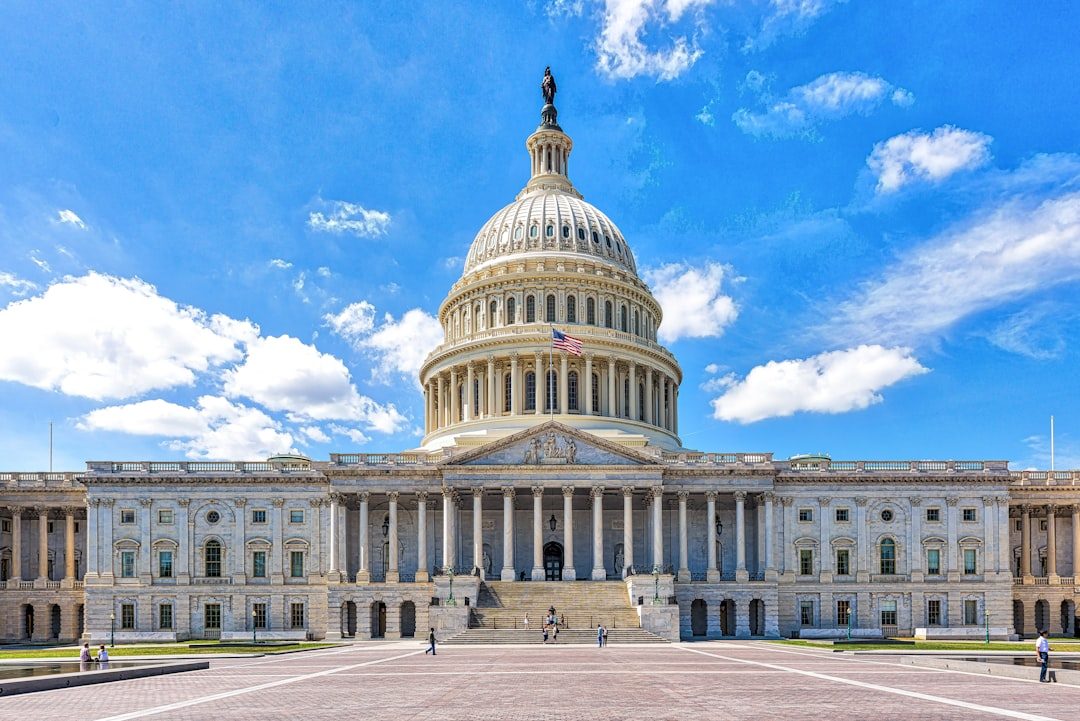
a large building with a dome and a flag on top with United States Capitol in the background
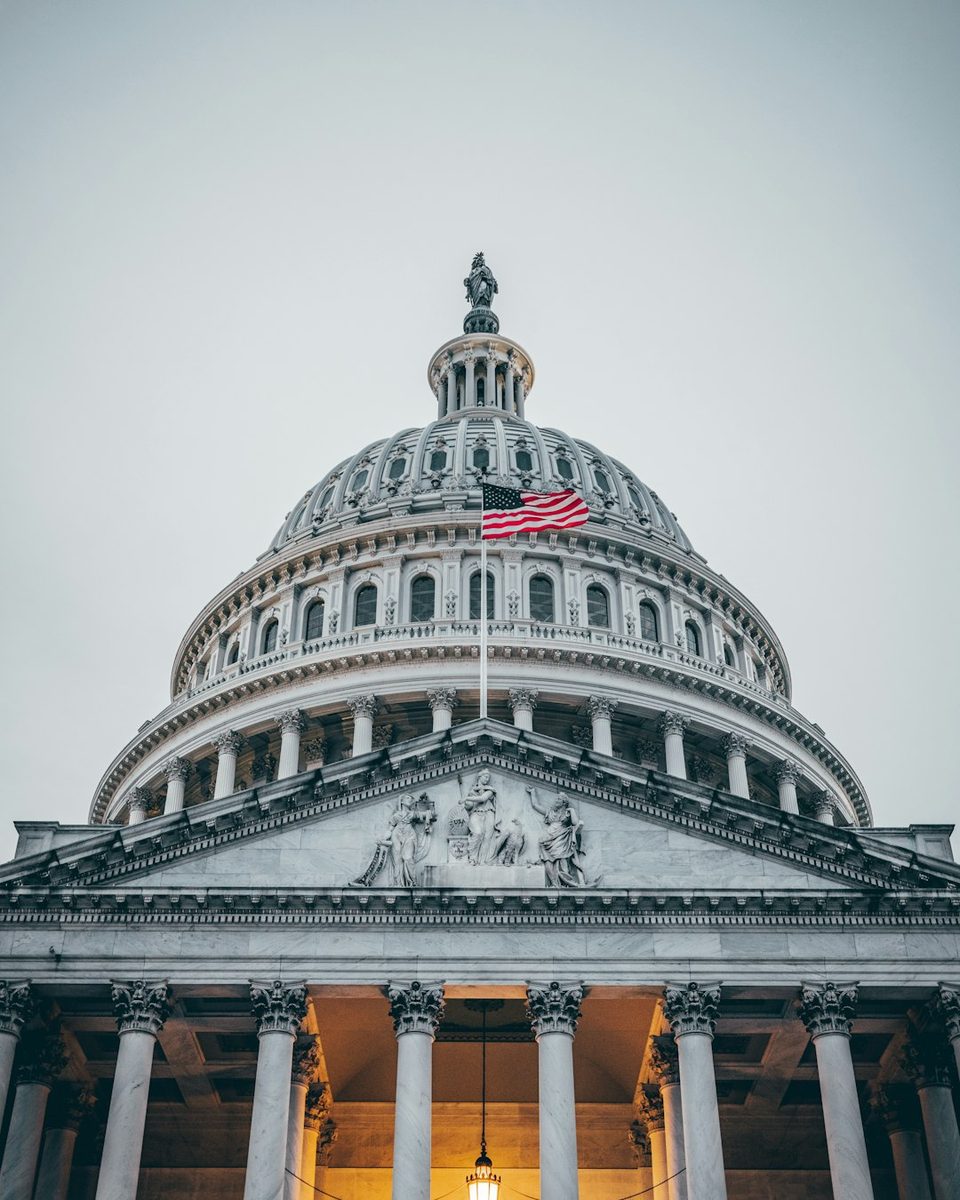
Close up of the United States Capitol in Washingon D.C. with US flag waving.
13.2K views
3:37
House votes to keep government funded through midterm ...
Scripps News

445 views
3:37
House passes short-term funding bill to prevent a shutdown ...
LEX News
1.2K views
1:54
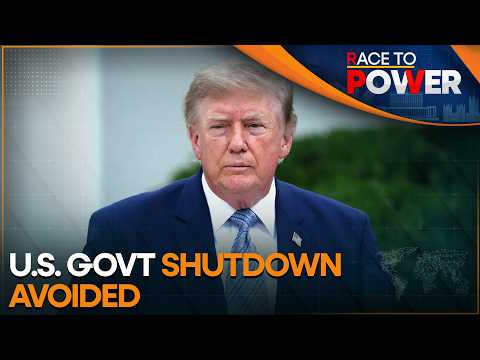
US House Passes Continuing Resolution to Keep the ...
WION
Images from Openverse under Creative Commons licenses. Videos from YouTube.
Voices
Curated perspectives — historical figures and your fellow readers.
Play
Exploring all sides of a story is often best achieved with Play.
Most of these play right now — no account needed. Sign up to save scores, keep a streak, and unlock Debate and Predict.
Log in
Sign Up
WHO SAID WHAT?
Can you match the quotes to the right people?
Rounds
People
Per question
Scoring
- points for each correct match.
- time bonus when you answer in under seconds.
- streak bonus once you hit correct in a row.
Score:
Round /
streak
— Who said this?
Tip: press 1– to answer.
Score:
Round /
streak
+
Base +
⚡ Speed +
🔥 Streak +
Streak reset · the answer was
No answer in time · it was
Next Up
Round
of
Score
points
Correct
Best Streak
Time Bonus
Avg. Time
points — sign up to put that on the leaderboard.
Now try on this story
Higher or Lower
A number from this story, against one from elsewhere in the news — guess which is bigger, then keep the chain going. 5 rounds, 3 strikes; a miss costs a strike and resets your streak.
Example
Anchor
EU tariff revenue
$52B
Big for this kind of number
Mystery
Pentagon AI contract
?
Round 1
Streak: 0
Mystery
?
Keyboard: ↓/L lower · ↑/H higher
0 pts
Best streak: 0 · Rounds: 0
0 points — sign up to put that on the leaderboard.
Now try on this story
Connections
Sixteen names from the news. Find the four hidden groups of four. Four mistakes max.
Loading today's puzzle…
0/4 groups
Mistakes
Sign up to keep a daily streak — a new puzzle lands every day.
Now try on this story
Exit debate?
Your progress in this debate will be lost.
How it works
- 1 Two AI personas square off on this story.
- 2 You predict who'll win each round — correct picks earn XP.
- 3 One crossfire question is yours to fire. Pick it carefully.
Couldn't generate a topic
Select Your Champions
Choose one persona for each side of the debate
DEBATE TOPIC
Choose personas with different perspectives for a more dynamic debate.
SIDE A (PRO)
Select debater for this side:
No debate personas available right now.
SIDE B (CON)
Select debater for this side:
No debate personas available right now.
VS
Get ready to make your prediction...
Round of
Claim
Evidence
Stakes
Crossfire Answer
Closing Statement
Claim
Evidence
Stakes
Crossfire Answer
Closing Statement
Your Crossfire Question
Generating arguments...
Who's Got This Round?
Make your prediction before the referee scores
The referee scores both sides on
Correct predictions earn +20 XP
· Press 1 or 2 to pick
Evidence
40%
Logic
30%
Detail
20%
Style
10%
Round Results
Your Pick
Not this time
(%)
Overall Score
/10
Your Pick
Not this time
(%)
Overall Score
/10
Set the Crossfire
Pick the question both personas must answer in the final round
Crafting crossfire questions...
Choosing a question earns +10 XP crossfire bonus
🏆
Total XP Earned
Cred Change
Predictions
Debate Oracle! You called every round!
Sharp Instincts! You know your debaters!
The Coin Flip Strategist! Perfectly balanced!
The Contrarian! Bold predictions!
Inverse Genius! Try betting the opposite next time!
XP Breakdown
Base completion
+20 XP
Rounds played ( rounds x 5 XP)
+ XP
Correct predictions ( correct x 20 XP)
+ XP
Crossfire bonus
+10 XP
Accuracy
%
Prediction History
Round
You picked:
✓
✗
Now try on this story
Keep debating to level up your credibility and unlock achievements
People Involved
Donald Trump
President of the United States
Expected to sign the continuing resolution
Tom Cole
Chairman of the House Appropriations Committee
Republican from Oklahoma; backed the stopgap
Rosa DeLauro
Ranking Democrat on the House Appropriations Committee
Democrat from Connecticut; backed the revised CR
Debbie Wasserman Schultz
Senior Democrat on the House Appropriations Committee
Democrat from Florida; opposed the July House plan, supports the revised CR
Organizations Involved
U.S. House of Representatives
Legislative body
Passed the continuing resolution 370-48 on September 1
One of two chambers of Congress; controlled by Republicans in the current Congress.
United States Senate
Legislative body
Passed the continuing resolution 90-6 on August 8
The upper chamber; Republicans hold a majority but 60 votes are needed to pass spending bills.
White House
Executive office
Expected to sign the continuing resolution
The executive branch office that negotiates with Congress over spending.
Office of Management and Budget (OIRA)
Federal agency
Its proposed grant-review rule is suspended through December 11
The White House agency that prepares the federal budget and oversees agency spending.
Timeline
August 2026 December 2026
5 events
Latest: 2 days ago
Tap a bar to jump to that date
-
Stopgap funding expires
Upcoming DeadlineThe stopgap lapses; Congress must act or the government shuts down.
-
Midterm elections
Upcoming ElectionVoters decide which party controls the House and Senate.
-
Current funding would have expired
Upcoming DeadlineFunding would have lapsed at the end of the fiscal year without the stopgap.
-
House averts shutdown with funding through December
Latest LegislativeHouse passed the Senate's continuing resolution 370-48; President Trump is expected to sign it.
-
Senate passes stopgap spending bill
LegislativeSenate passed the continuing resolution 90-6 with added spending restrictions.
Historical Context
3 moments from history that rhyme with this story — and how they unfolded.
November 1995 – January 1996
1995-96 government shutdowns
Republicans under House Speaker Newt Gingrich shut the government twice in a budget standoff with President Bill Clinton. The closures, five days in November 1995 and 21 days into January 1996, turned on Medicare and the path to a balanced budget.
Then
Clinton refused to accept the Republican budget, and the shutdowns ended with temporary funding and no deal.
Now
Public opinion blamed the Republicans; Clinton won re-election in 1996 and the GOP lost House seats. The episode became the standard warning against shutdowns near elections.
Why this matters now
Both parties in 2026 cited the same political risk in rushing to keep the government open through the November midterms.
October 2013
2013 federal government shutdown
House conservatives refused to fund the government unless the Affordable Care Act was defunded, closing it for 16 days and furloughing roughly 800,000 federal workers.
Then
The shutdown ended with a clean continuing resolution; the defunding effort won no policy concessions.
Now
The episode reinforced that shutdowns rarely force policy change. The 2025-26 standoffs repeated the pattern: Democrats won no concrete concessions despite months-long closures over health subsidies and immigration enforcement.
Why this matters now
It helps explain why the 2026 stopgap resolved little: both parties used funding lapses as leverage, and both accepted temporary funding in the end.
December 2018 – January 2019
2018-19 government shutdown
President Trump shut the government for 35 days, then the longest in U.S. history, demanding $5.7 billion for a border wall. Roughly 800,000 federal employees missed paychecks.
Then
Trump signed a stopgap without wall funding, ending the shutdown in January 2019.
Now
The record lasted until the current Congress's 43-day shutdown in late 2025. Immigration enforcement, the same flashpoint, drove the 76-day Department of Homeland Security shutdown that ended in April 2026.
Why this matters now
It shows how immigration enforcement has repeatedly pushed the funding process to the brink under Trump.
Sources
(10)Related Stories
The FY2026 budget battle: from 43-day shutdown to bipartisan breakthrough
Money Moves
Updated May 20
Congress races to complete FY2026 funding after record shutdown
Rule Changes
Updated May 22
House revolt against Trump’s federal union crackdown
Rule Changes
Updated Aug 8
Senate locks in multi-year ICE and Border Patrol funding
Money Moves
Updated Jun 5
House’s $900 billion defense bill ties troop raise, Ukraine aid and a boat-strike backlash
Rule Changes
Updated May 10
Congress moves to revive secure rural schools after 2023 funding cliff
Rule Changes
Updated May 10