

Pull to refresh
Logo
FERC rejects ComEd's cancellation of PowerHouse Hillwood data center contract

FERC rejects ComEd's cancellation of PowerHouse Hillwood data center contract

Rule Changes

A $1 letter of credit underpins a $20 billion, 1.8-GW data center deal — and regulators say courts, not FERC, should sort it out

Today: Rockford data center developer confirms agreement cancellation

Overview

Updated 1 hour ago

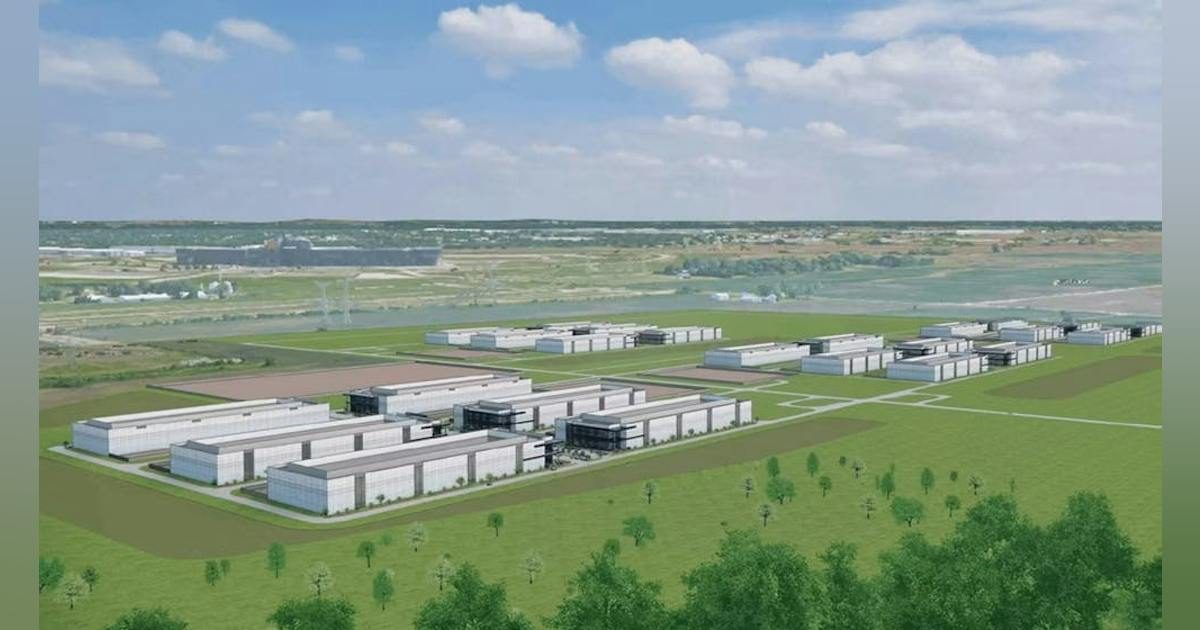
The Federal Energy Regulatory Commission (FERC) on September 22, 2026, rejected Commonwealth Edison's (ComEd) attempt to cancel a transmission security agreement with PowerHouse Hillwood Holding, the developer behind a 1.8-gigawatt, $20-billion data center planned for Joliet, Illinois. The agency declined to take jurisdiction over the contract dispute, saying the U.S. District Court for the Northern District of Illinois is the right venue to resolve it.

The fight centers on a $1 letter of credit that PowerHouse Hillwood posted as initial credit support under the agreement — a sum FERC Commissioner David LaCerte called "less than the price of a cup of coffee." ComEd argues the developer failed to meet security deposit requirements; PowerHouse Hillwood says ComEd is using monopoly leverage to kill a deal it no longer wants. The dispute is one of at least four ComEd data center transmission security agreements that have been scrapped or contested in recent months.

Why it matters

If data center developers can back $20-billion grid commitments with $1 deposits, the cost of failed projects falls on every ComEd ratepayer's bill.

Questions about this story

Free account needed to ask — your question is kept and asked for you right after sign-up. Answers are public.

No questions yet — be the first to ask.

Key Indicators

1.8 GW
Planned data center capacity
PowerHouse Hillwood's proposed Joliet data center would draw 1.8 gigawatts from ComEd's transmission system.
$20B
Project cost
Estimated total investment for the PowerHouse Hillwood data center in Joliet.
$1
Initial credit support posted
PowerHouse Hillwood's letter of credit under the transmission security agreement — the sum FERC Commissioner LaCerte called 'less than the price of a cup of coffee.'
4
Scrapped or contested ComEd data center agreements
Agreements with Red Energy Partners (DeKalb County), Karis Critical (Hoffman Estates), PowerHouse Hillwood (Joliet), and Monarch Energy (Rockford) have been canceled or disputed.

Voices

Curated perspectives — historical figures and your fellow readers.

Ever wondered what historical figures would say about today's headlines?

Sign up to generate historical perspectives on this story.

People Involved

Organizations Involved

Timeline

November 2025 September 2026

8 events Latest: Today
Tap a bar to jump to that date
  1. Rockford data center developer confirms agreement cancellation

    Today Statement

    Monarch Energy confirms its ComEd transmission security agreement was canceled, saying the move will delay but not stop its Rockford data center plans. Four ComEd data center agreements have now been scrapped or contested.

  2. FERC rejects ComEd's cancellation notice, declines jurisdiction

    Regulatory

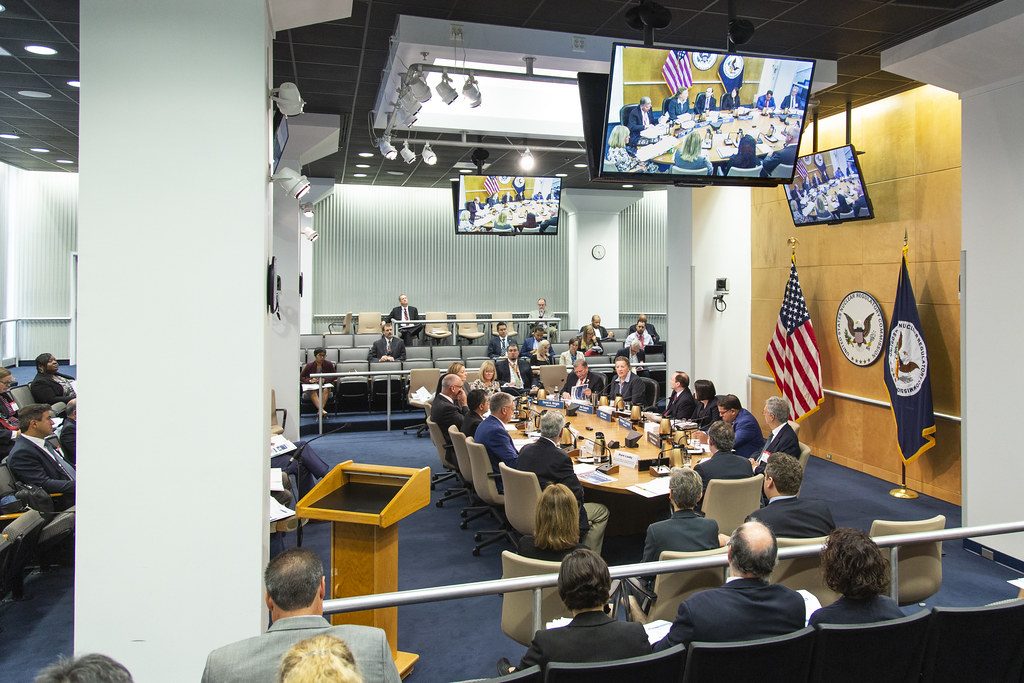
    FERC declines to assert primary jurisdiction over the contract dispute, saying the U.S. District Court for the Northern District of Illinois is the appropriate venue. Commissioner LaCerte calls the $1 letter of credit 'an embarrassing legal fiction.'

  3. FERC issues show cause orders on large-load interconnection

    Regulatory

    FERC orders regional transmission organizations and independent system operators to develop pro forma cost-recovery agreements for large loads, with responses due by mid-November.

  4. Illinois regulators approve ComEd deposit increase for large-load projects

    Regulatory

    Illinois regulators approve ComEd's plan to increase deposit costs for large-load projects like data centers, allowing recovery of costs if companies go out of business or move.

  5. FERC accepts ComEd-PowerHouse Hillwood transmission security agreement

    Regulatory

    FERC accepts the agreement under the Mobile-Sierra presumption, which shields bilaterally negotiated contracts from commission scrutiny. Commissioner Chang warns the presumption may not protect other customers.

  6. ComEd signs transmission security agreements with data center developers

    Contract

    ComEd executes a series of transmission security agreements with data center developers, including PowerHouse Hillwood, committing new large loads to pay transmission costs.

Scenarios

1

Federal court rules on contract terms, dispute resolves

Possible Resolves by Q2 2027

Discussed by: FERC commissioners and legal analysts

The U.S. District Court for the Northern District of Illinois interprets the ambiguous credit support terms of the transmission security agreement. If the court finds PowerHouse Hillwood met its obligations with the $1 posting, the agreement stands and the data center proceeds. If it finds the $1 posting was insufficient, ComEd's cancellation is upheld and the developer must renegotiate or abandon the project.

2

FERC large-load reforms change the rules for all data center deals

Likely Resolves by Q1 2027

Discussed by: FERC Chairman Laura Swett, Commissioners See and Rosner

FERC's June 2026 show cause orders require regional transmission organizations and independent system operators to develop pro forma cost-recovery agreements for large loads by mid-November 2026. If adopted, these reforms would standardize security deposit requirements and cost-recovery terms, preventing the kind of ambiguity that led to the PowerHouse Hillwood dispute. This would not resolve the existing contract fight but would change how future deals are structured.

3

PowerHouse Hillwood abandons Joliet project

Possible Resolves by End of 2027

Discussed by: Public Citizen, consumer advocates

If the court upholds ComEd's cancellation or the dispute drags on, PowerHouse Hillwood may abandon the Joliet data center. The developer would face a termination fee under the agreement, but the $1 letter of credit means ComEd and its ratepayers would absorb the cost of any transmission upgrades already planned. This outcome would mirror the cancellations of other ComEd data center agreements in DeKalb County, Hoffman Estates, and Rockford.

Historical Context

3 moments from history that rhyme with this story — and how they unfolded.

1956-present

Mobile-Sierra doctrine and bilateral contract review (1956-present)

The Mobile-Sierra doctrine, established by the Supreme Court in 1956, presumes that rates set by freely negotiated bilateral contracts are just and reasonable. FERC applies this presumption to contracts between sophisticated parties, declining to second-guess their terms.

Then

FERC accepted the ComEd-PowerHouse Hillwood agreement under Mobile-Sierra without independently assessing whether its terms protect other customers.

Now

Commissioner Chang and others have argued the presumption may be inappropriate for agreements that shift costs to non-parties like existing ratepayers.

Why this matters now

The Mobile-Sierra presumption is central to this dispute: FERC accepted the agreement without scrutinizing its terms, and now the commission is grappling with whether that approach adequately protects ratepayers.

2001-2002

Enron-era merchant plant cancellations (2001-2002)

After Enron's collapse, dozens of merchant power plants under construction were canceled or mothballed. Utilities and developers had signed interconnection agreements with minimal security deposits, leaving ratepayers to absorb the cost of transmission upgrades built for projects that never materialized.

Then

Utilities wrote off billions in stranded transmission costs, and state regulators imposed stricter deposit requirements for new generation projects.

Now

The experience shaped FERC's and state regulators' approach to requiring financial security from developers seeking grid interconnection.

Why this matters now

The PowerHouse Hillwood dispute echoes this pattern: a developer posts minimal security for a massive grid commitment, and if the project fails, ratepayers bear the cost of transmission infrastructure built for it.

2023-2025

Texas ERCOT data center interconnection disputes (2023-2025)

As data center demand surged in Texas, ERCOT and transmission providers faced disputes over who pays for transmission upgrades needed to serve massive new loads. Some developers sought to avoid paying for grid upgrades, while utilities demanded upfront security deposits.

Then

ERCOT implemented new large-load interconnection rules requiring financial security from data center developers.

Now

The Texas experience informed FERC's 2026 show cause orders on large-load interconnection and cost-recovery agreements.

Why this matters now

The Texas disputes previewed the same tension now playing out in Illinois: how to ensure data center developers bear the cost of grid infrastructure they require, without shifting that burden to existing customers.

Sources

(9)