



Pull to refresh
Logo
Focal pulsed field ablation shows durable vein isolation in first-in-human trial

Focal pulsed field ablation shows durable vein isolation in first-in-human trial

New Capabilities

Field Medical's sub-second pulse approach reaches 94.2% per-vein isolation durability at 12 months

Today: 12-month outcomes published in JACC: Clinical Electrophysiology

Overview

Updated 1 hour ago

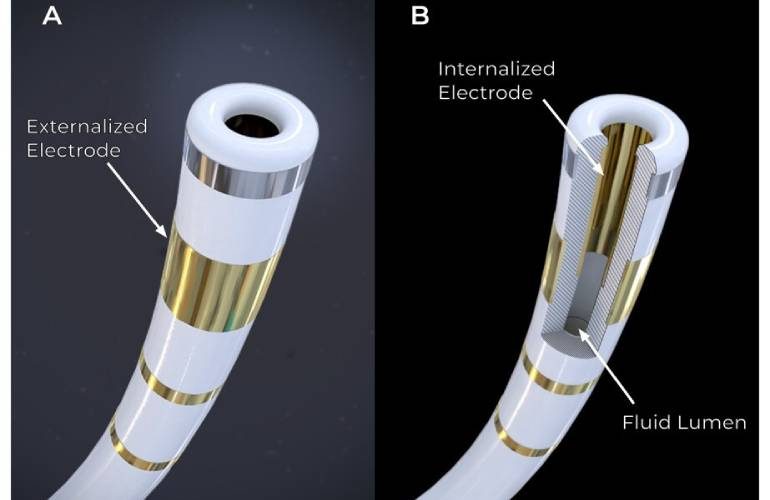
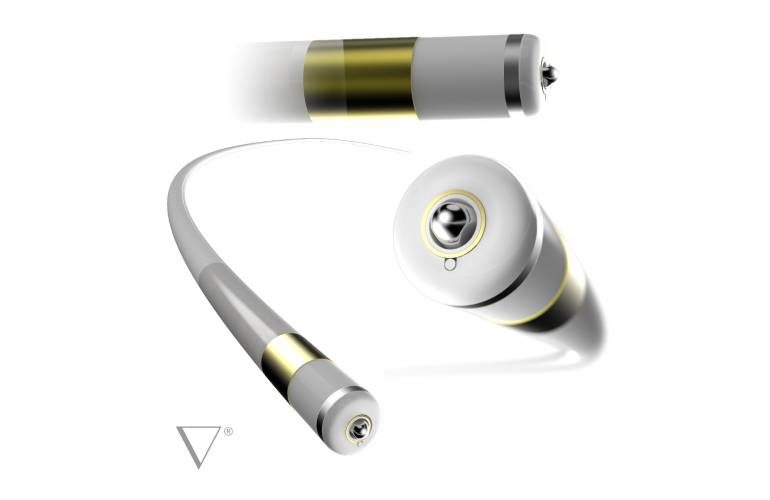
Catheter ablation for atrial fibrillation has long forced a choice between flexible point-by-point radiofrequency and fast single-shot balloons. Field Medical's system tries to give both: a focal catheter that delivers the entire ablation pulse in under 200 milliseconds, eliminating the need for prolonged stable contact. Twelve-month results from its first-in-human trial, published Sunday in JACC: Clinical Electrophysiology, show 94.2% per-vein durable isolation with the optimized waveform.

The speed is striking: median time to isolate pulmonary veins was 13 minutes, with a fastest of 7.7 minutes. Nearly half of patients (49%) received additional ablation beyond the veins, showing the focal design's flexibility. The trial enrolled 35 patients at a single center in the Czech Republic and reported no primary safety events. If these results persist in larger studies, they could reshape how PFA catheters are designed—moving from multi-electrode baskets to more adaptable focal tools.

Why it matters

If the approach holds up, atrial fibrillation ablation could become faster, more flexible, and safer than current pulsed field systems, cutting procedure times and improving lesion durability.

Questions about this story

Free account needed to ask — your question is kept and asked for you right after sign-up. Answers are public.

No questions yet — be the first to ask.

Key Indicators

94.2%
Per-vein durable pulmonary vein isolation (optimized waveform)
In the trial's best waveform cohort, every vein remained isolated at remapping.
80%
Freedom from atrial arrhythmias at 12 months
For patients treated with the optimized waveform, no recurrence of atrial fibrillation, flutter, or tachycardia was observed.
13 min
Median pulmonary vein isolation ablation time
Total time applying pulses; the fastest case took 7.7 minutes.
49%
Patients receiving non-pulmonary-vein ablation
The focal catheter also targeted cavotricuspid isthmus, roof lines, and other sites.

Voices

Curated perspectives — historical figures and your fellow readers.

Ever wondered what historical figures would say about today's headlines?

Sign up to generate historical perspectives on this story.

People Involved

Organizations Involved

Timeline

June 2024 September 2026

4 events Latest: Today
Tap a bar to jump to that date
  1. 12-month outcomes published in JACC: Clinical Electrophysiology

    Today Publication

    Final trial results show 94.2% per-vein durable isolation with waveform C, 80% arrhythmia freedom, and no primary safety events; presented simultaneously at HRX Live.

  2. Late-breaking data presented at AF Symposium

    Conference presentation

    Interim results on PVI durability with the optimized waveform are discussed at the annual AF Symposium.

  3. VCAS ventricular tachycardia results published

    Publication

    Field Medical's six-month ventricular tachycardia outcomes from its separate first-in-human trial appear in Circulation.

  4. Trial begins enrolling patients at Czech center

    Clinical trial launch

    Field PULSE (NCT06452589) enrolls 35 patients at Motol and Homolka University Hospital for pulmonary vein isolation.

Scenarios

1

Field Medical launches pivotal multicenter trial for AF ablation

Likely Resolves by Q2 2027

Discussed by: Clinical community following the first-in-human results; likely next step for FDA or CE approval

Buoyed by the durability and safety signals, Field Medical starts a larger randomized trial enrolling >100 patients across multiple centers, likely with a control arm using existing PFA or radiofrequency ablation. The study would measure per-vein durability by invasive remapping and 12-month arrhythmia freedom.

2

Regulatory approval and market entry

Possible Resolves by End of 2027

Discussed by: Competitors watch; likely for European CE mark first before FDA

After confirming safety and performance, Field Medical obtains CE mark for atrial fibrillation ablation in Europe, and later FDA clearance via De Novo pathway. Approval would make the system commercially available, posing direct competition to Farapulse and other PFA platforms.

3

Results fail to replicate; adoption stalls

Unlikely Resolves by Q3 2028

Discussed by: Skeptics note single-center, small sample, and operator expertise

A larger trial or real-world registries shows lower durability than 94.2%, particularly in less experienced hands. Concerns about esophageal injury or coronary spasms (the latter seen in three patients after cavotricuspid isthmus ablation) emerge, prompting delayed regulatory approval or limited adoption.

Historical Context

2 moments from history that rhyme with this story — and how they unfolded.

2012-2015

Cryoballoon ablation (2012–2015)

The Arctic Front cryoballoon offered a single-shot approach to pulmonary vein isolation, faster than manual radiofrequency point-by-point, but required perfect balloon-vein alignment and had limited flexibility for targeting other atrial sites.

Then

Adoption grew rapidly for paroxysmal AF, though durability was operator-dependent.

Now

Cryoballoon became a standard alternative, proving that energy delivery geometry could be simplified.

Why this matters now

Field Medical's focal PFA aims to retain the flexibility of point-by-point ablation while matching the speed of single-shot devices—a hybrid the field has lacked.

2021-2024

First-generation pulsed field ablation systems (2021–2024)

The first PFA catheters, like Farapulse's basket and petal designs, showed high durability but required stable contact for 4-12 seconds per position to create lesions. That limited efficiency and operator dexterity.

Then

PFA rapidly displaced radiofrequency for many AF cases due to lower collateral damage risk.

Now

Manufacturers raced to reduce contact times and add focal options, but the 4-12 second window persisted.

Why this matters now

Field Medical brings that number to under 200 milliseconds per pulse, a step-change that could make focal PFA as fast as single-shot and more adaptable.

Sources

(5)