

Pull to refresh
Logo
Suntory engineers bluest rose yet using co-pigment strategy

Suntory engineers bluest rose yet using co-pigment strategy

New Capabilities

Genes from three species push rose color from mauve toward blue, but true blue still eludes researchers

August 25th, 2026: Co-pigment strategy presented in Kyoto

Overview

Updated 1 hour ago

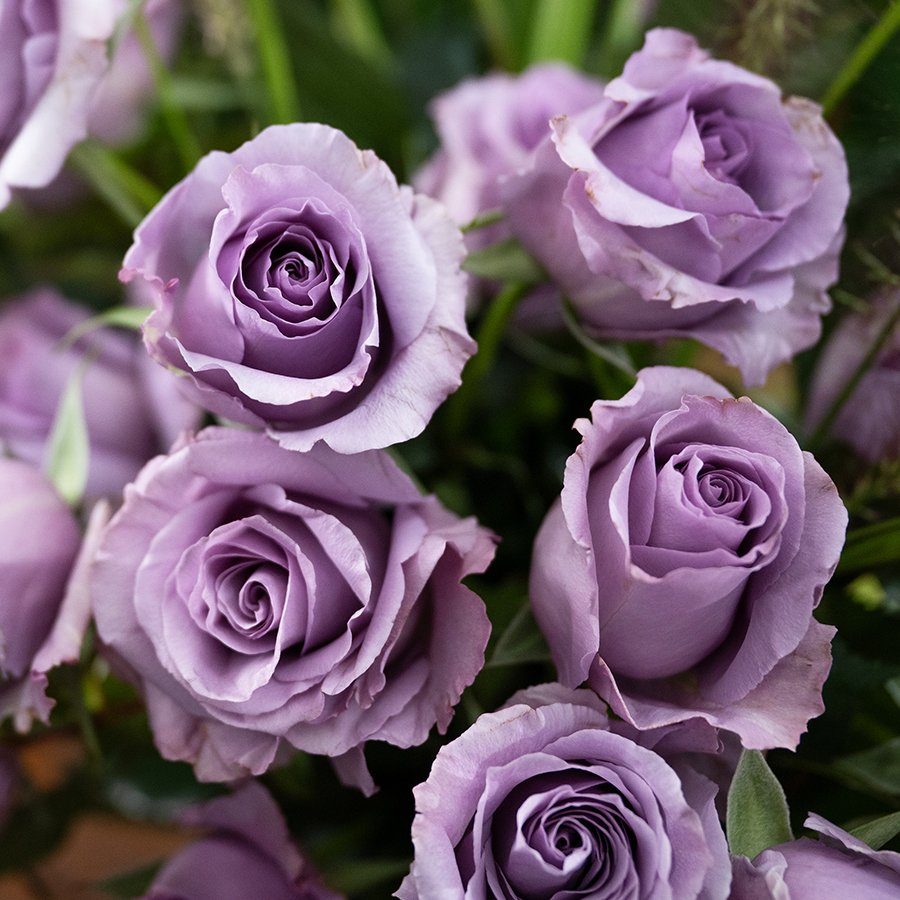
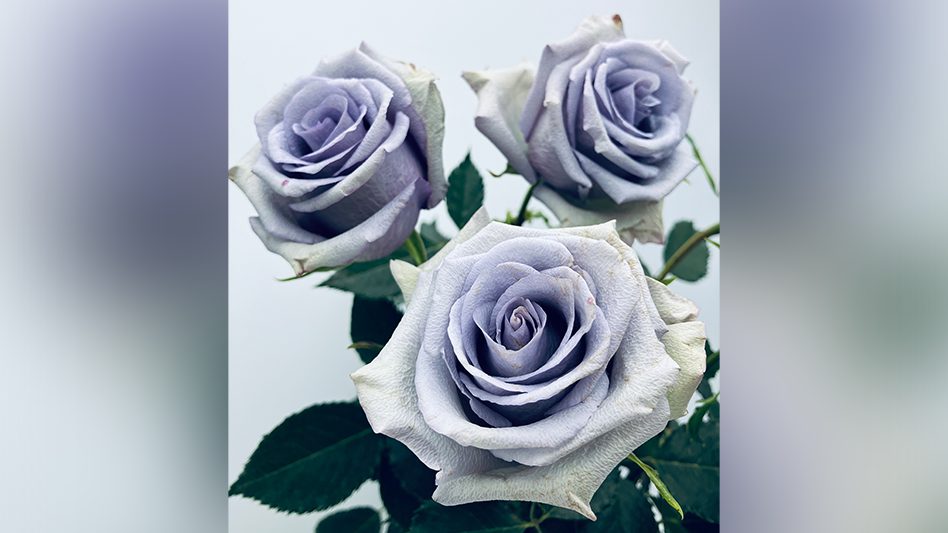
For 22 years, the best scientists could manage was a rose that read as mauve. In August 2026, Suntory researchers in Kyoto unveiled a rose that registers as violet-blue on official horticultural color charts, built from genes borrowed from three other flower species.

Roses lack the enzyme to build blue pigment, and the 2004 attempt that added delphinidin alone produced a purplish flower. The new work adds helper molecules called flavone C-glycosides that stabilize the blue pigment, a strategy that could extend to lilies and sunflowers and eventually end the practice of dyeing white roses.

Why it matters

True blue roses could replace dyed cut flowers, and the co-pigment technique could give lilies and sunflowers blue varieties for the first time.

Questions about this story

Free account needed to ask — your question is kept and asked for you right after sign-up. Answers are public.

No questions yet — be the first to ask.

Key Indicators

4
Genes inserted from three flower species
One from Canterbury bells for blue pigment, two from wishbone flowers and one from clustered gentian for helper molecules.
7 years
Greenhouse trials in Japan
Roses kept producing blue flowers for seven years in Japanese greenhouses and three years in Colombian fields.

Voices

Curated perspectives — historical figures and your fellow readers.

Ever wondered what historical figures would say about today's headlines?

Sign up to generate historical perspectives on this story.

People Involved

Organizations Involved

Timeline

January 2004 August 2026

4 events Latest: August 25th, 2026 · 1 month ago
Tap a bar to jump to that date
  1. Co-pigment strategy presented in Kyoto

    Latest Scientific announcement

    Suntory researchers present violet-blue roses produced with four genes and helper molecules at the 32nd International Horticultural Congress.

  2. Applause sells 10,000 stems in Japan

    Commercial

    Suntory reports sales of 10,000 Applause roses at 2,000 to 3,000 yen per stem, roughly $22 to $35.

  3. Applause rose reaches Japanese market

    Commercial launch

    Suntory sells the mauve GM rose in Japan as the world's first marketed 'blue' rose.

  4. First genetically modified blue-pigment rose created

    Scientific breakthrough

    Suntory and Florigene insert the delphinidin gene from pansies into a rose. The flower is mauve, not blue.

Scenarios

1

Suntory achieves a true blue rose

Possible Resolves by End of 2028

Discussed by: Suntory research team, as reported in Science News and Lab DB

The team has stated that its objective remains a 'true' or 'royal' blue. Lab DB reports the likely path is fine-tuning co-pigment expression and adding genes that shift petal vacuole pH slightly more alkaline, which would stabilize the blue pigment. The team has already demonstrated stable color production over seven years of trials.

2

Violet-blue roses reach commercial market

Possible Resolves by End of 2030

Discussed by: Lab DB; Biology Insights

The global floriculture market has long relied on dyeing white roses to meet demand for non-traditional colors. Lab DB notes that regulatory frameworks for genetically modified ornamental plants remain stringent in many nations, so commercial retail requires biosafety assessments, studies on cross-pollination risks, and environmental impact reviews. The roses have proven stable in Japanese greenhouses and Colombian fields.

3

Co-pigment technique extended to other flowers

Possible Resolves by Q2 2031

Discussed by: Lab DB

The helper-molecule strategy is a blueprint for other plant scientists. Lab DB suggests the technique could give lilies or sunflowers blue varieties for the first time, since both lack blue forms. This would require adapting the co-pigment genes to new host species, which takes years of research and breeding.

Historical Context

2 moments from history that rhyme with this story — and how they unfolded.

2002-2004

The Applause GM rose (2002-2004)

Suntory and Australian firm Florigene engineered a white rose with the delphinidin gene cloned from pansies. The flower produced blue pigment but appeared mauve because rose petals are more acidic than pansy petals, degrading the pigment.

Then

Applause was marketed in Japan from 2009, selling 10,000 stems in 2010 at 2,000 to 3,000 yen each.

Now

It demonstrated that blue pigment alone is not enough to make a blue rose, setting up the co-pigment work that followed.

Why this matters now

The gap between Applause's mauve and the 2026 violet-blue result shows exactly what the helper-molecule strategy achieves.

12th century

Medieval dyeing of blue roses (12th century)

Andalusian agronomist Ibn al-'Awwam al-Ishbīlī wrote Kitāb al-Filāḥah, an agricultural manual in Arabic describing azure blue roses known to the Orient, made by placing blue dye into the bark of the roots.

Then

The dyeing technique spread through the Islamic world and reached Europe in the 19th century via French translation.

Now

It established the pattern of producing blue roses artificially, since natural blue roses have never existed.

Why this matters now

The blue rose quest is nearly a millennium old, and every blue rose until this year's work was colored by dye rather than genetics.

Sources

(7)