



Pull to refresh
Logo
A single CRISPR infusion holds LDL cholesterol down for a year

A single CRISPR infusion holds LDL cholesterol down for a year

New Capabilities

Cleveland Clinic's 15-patient trial is the first human test of gene editing aimed at cholesterol

Overview

Updated 1 hour ago

Cholesterol drugs work only while someone keeps taking them, and many patients stop within the first year. A 15-person trial at Cleveland Clinic tested a different idea: one infusion that switches off a liver gene and leaves it off. At the highest dose, LDL cholesterol fell 52.5% and triglycerides fell 47.8% from baseline, and both held at 12 months.

The trial measured blood lipids, not heart attacks. A permanent edit also cannot be reversed if something goes wrong, which is why participants face 15 years of monitoring. For people with inherited lipid disorders that resist statins and injected drugs, though, a one-time treatment would replace a lifetime of dosing.

Why it matters

If durability holds in larger trials, one infusion could replace a lifetime of pills for people whose inherited cholesterol resists treatment.

Questions about this story

Free account needed to ask — your question is kept and asked for you right after sign-up. Answers are public.

No questions yet — be the first to ask.

Key Indicators

52.5%
LDL cholesterol reduction at 12 months
Highest dose, 0.8 mg per kilogram, measured against each patient's baseline.
47.8%
Triglyceride reduction at 12 months
Same dose and time point as the cholesterol figure.
15
Patients treated
Adults with uncontrolled lipids despite maximum tolerated therapy, dosed at five levels.
2
Serious adverse events
A spinal disk herniation and one sudden death 179 days after the lowest dose; investigators did not link either to the therapy.
15 years
Planned safety follow-up
The monitoring period the Food and Drug Administration recommends for gene-editing therapies.

Voices

Curated perspectives — historical figures and your fellow readers.

Sign up to generate historical perspectives on this story.

People Involved

Organizations Involved

Timeline

2023 November 2026

4 events Latest: Today
Tap a bar to jump to that date
  1. Trial summary published by Good News Network

    Today Report

    A general-audience article restating the 12-month results and the absence of related serious events.

  2. 12-month results published and presented

    Publication

    Highest dose held LDL 52.5% and triglycerides 47.8% below baseline for a year.

  3. Two-month data presented at heart association meeting

    Results

    Early readings showed LDL and triglycerides roughly halved at the top doses.

  4. First-in-human trial registered

    Trial

    The Australia New Zealand Clinical Trials Registry lists the ascending-dose CTX310 study.

Scenarios

1

Sponsor opens a larger phase 2 trial

Likely Resolves by End of 2027

Discussed by: CRISPR Therapeutics, which has said a phase 1b is already testing a fixed dose

The 15-patient phase 1 established dosing and a safety profile. A phase 1b is running at a single fixed dose matching the phase 1 maximum. If that reads out cleanly, the next step is a phase 2 with enough patients to see less common side effects and to confirm the lipid effect holds outside a handful of volunteers.

2

A safety signal halts dosing

Possible Resolves by Q2 2029

Discussed by: Clinicians who note the edit is permanent and cannot be discontinued

Gene editing has no off switch. The trial recorded two serious adverse events, including one death 179 days after the lowest dose, and investigators judged neither related to CTX310. A later event tied to the therapy, or an off-target edit found in follow-up, would give regulators reason to pause the program while the 15-year monitoring continues.

3

A trial tests heart attacks, not lipid numbers

Unlikely Resolves by End of 2028

Discussed by: Medical Daily, which noted this trial measured blood lipids rather than outcomes

Statin evidence for preventing heart attacks came from trials of tens of thousands of patients followed for years. CTX310 has 15 patients and one year of lipid data. Proving it prevents cardiovascular events would take a far larger and longer study, and no such trial has been announced.

Historical Context

2 moments from history that rhyme with this story — and how they unfolded.

June 2021

NTLA-2001, first in-body CRISPR editing (2021)

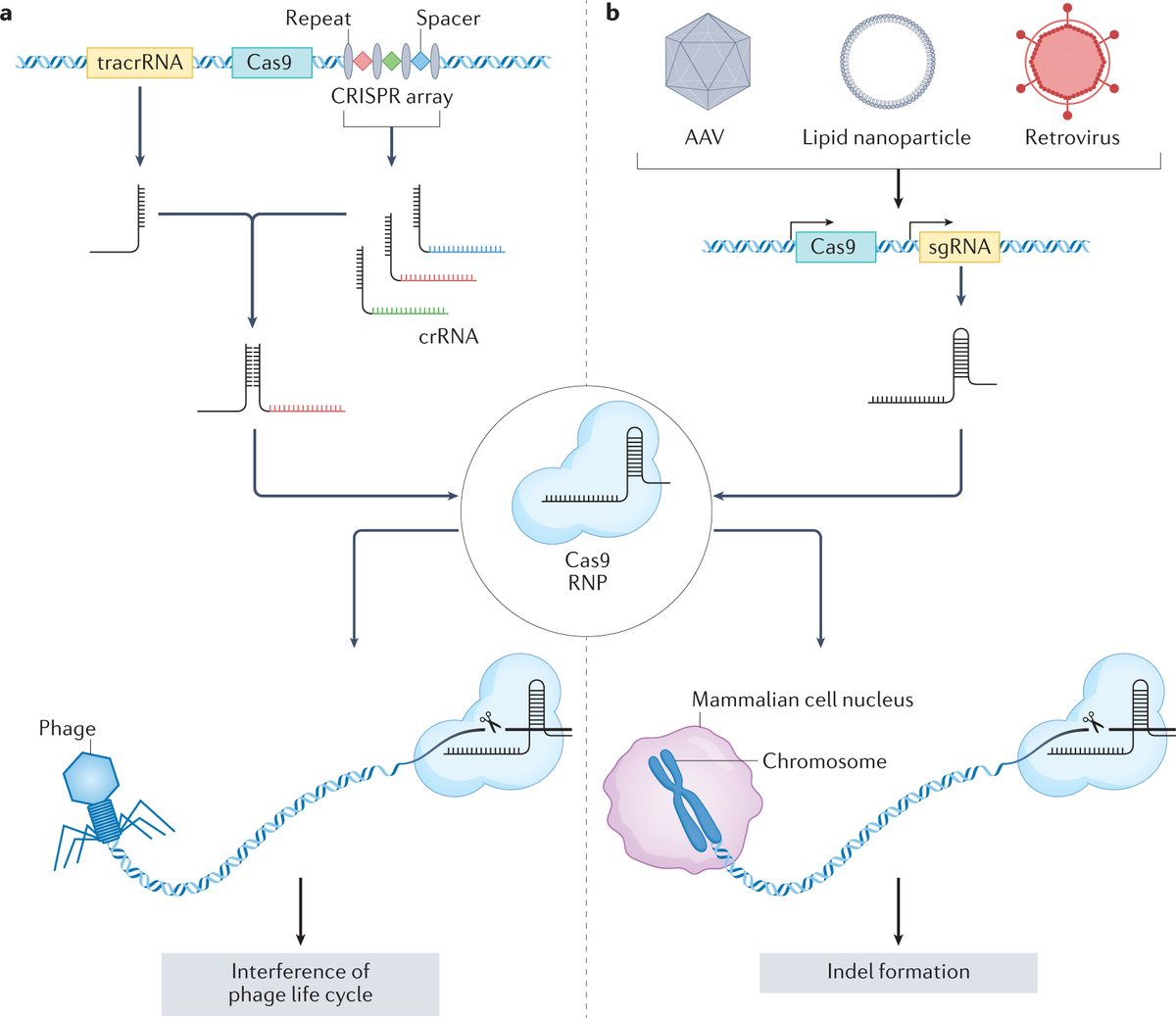
Intellia Therapeutics and Regeneron dosed the first patients with CRISPR delivered by lipid nanoparticle to the liver, targeting the transthyretin gene. Earlier CRISPR trials edited cells outside the body and reinfused them. This one edited inside the patient.

Then

Protein levels dropped sharply within weeks of a single infusion.

Now

The delivery method became the template for liver-targeted editing, including CTX310.

Why this matters now

CTX310 uses the same route and organ: an infusion that reaches the liver and turns off a gene there.

November-December 2023

Casgevy, the first approved CRISPR therapy (2023)

Regulators in Britain and then the United States cleared Casgevy for sickle cell disease, the first approved treatment built on CRISPR editing. It is a one-time therapy, made by editing a patient's own stem cells outside the body.

Then

Approval established that regulators would accept permanent genetic edits as medicine.

Now

Getting patients through the treatment proved slow, which moved pricing and access to the front of the debate.

Why this matters now

It shows the gap between a therapy that works in a trial and one that reaches most of the people who need it.

Sources

(8)