
Pull to refresh
Logo
Texas Capital and Keystone Group take Westside Village leases, filling half the first office building

Texas Capital and Keystone Group take Westside Village leases, filling half the first office building

Built World Fort Worth, TX local

The $1.7 billion redevelopment of the former Fort Worth ISD headquarters has its first office tenants, ahead of a spring 2028 opening.

Overview

Updated 11 minutes ago

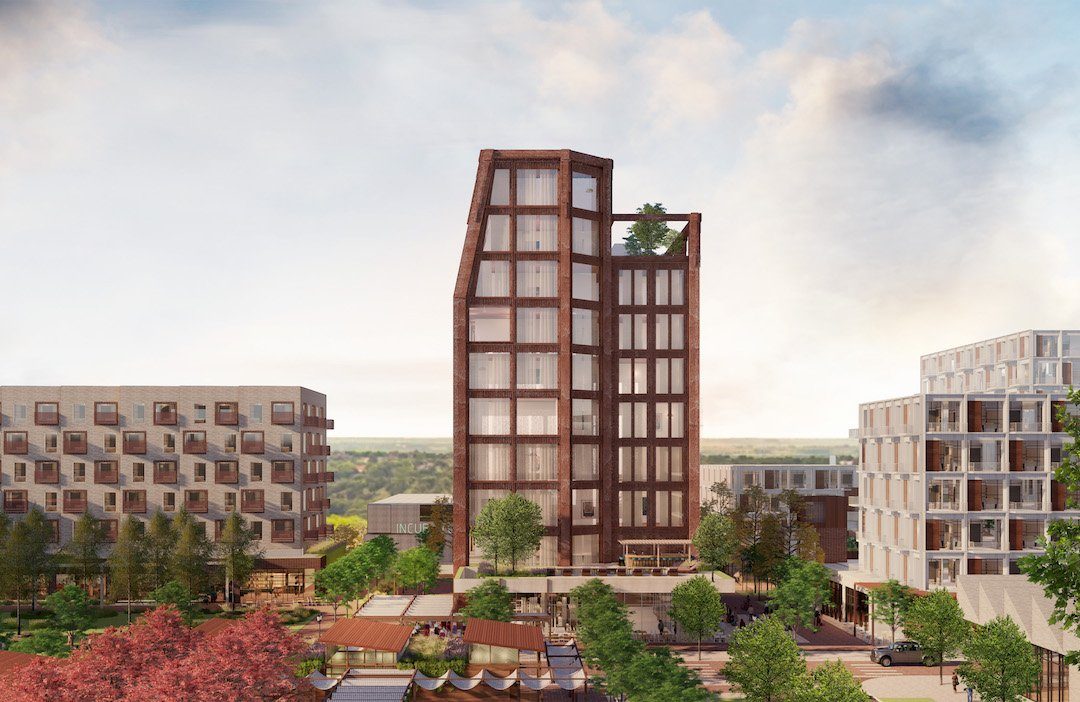
The first office building at Westside Village has tenants. Texas Capital will take the entire second floor plus a ground-floor bank branch, and Keystone Group, one of the project's developers, will take the fifth. The two commitments put the six-story, 106,000-square-foot building at roughly 50% pre-leased, the developers said.

Pre-leasing is the number that matters before a building opens. It is what lenders and the city weigh when deciding whether the remaining phases of the 37-acre project get built. One of the two tenants, Keystone Group, is also a partner in the development company, so part of that 50% is an owner leasing space in a building it co-owns.

Fort Worth committed up to $125 million to the project: up to $80 million in performance-based grants that reimburse up to 85% of new city property taxes over 15 years, and up to $45 million from a new tax increment financing district for roads, utilities and stormwater work. Phase 1, which includes this building, is scheduled to open by the end of 2030, with full build-out planned for 2035.

Why it matters

Fort Worth put $125 million of tax money behind Westside Village; whether private tenants fill it decides whether the rest gets built.

Last Monday's email for Fort Worth, TX

Sent Nov 16. It carried:

Get next Monday's: one short email a week. Free. Unsubscribe in one click.

Questions about this story

Free account needed to ask — your question is kept and asked for you right after sign-up. Answers are public.

No questions yet — be the first to ask.

Key Indicators

$1.7B
Total project cost
Stated cost of the full 37-acre Westside Village build-out.
50%
First office building pre-leased
Share of office space committed before the building opens, per the developers.
$125M
City incentive package
Combines up to $80 million in tax rebate grants and up to $45 million in tax increment financing.
880,000
Office square feet at full build-out
Planned total across four phases; the current building is 106,000 square feet.
1,785
Residential units planned
Apartments across the full site, alongside 238,000 square feet of retail and a hotel.

Voices

Curated perspectives — historical figures and your fellow readers.

Sign up to generate historical perspectives on this story.

People Involved

Organizations Involved

Timeline

2025 November 2026

3 events Latest: Yesterday
  1. First office tenants signed at Westside Village

    Latest Leasing

    Texas Capital takes the second floor and a ground-floor bank branch; Keystone Group takes the fifth, putting the building near 50% pre-leased.

  2. Groundbreaking on the former school district headquarters site

    Construction

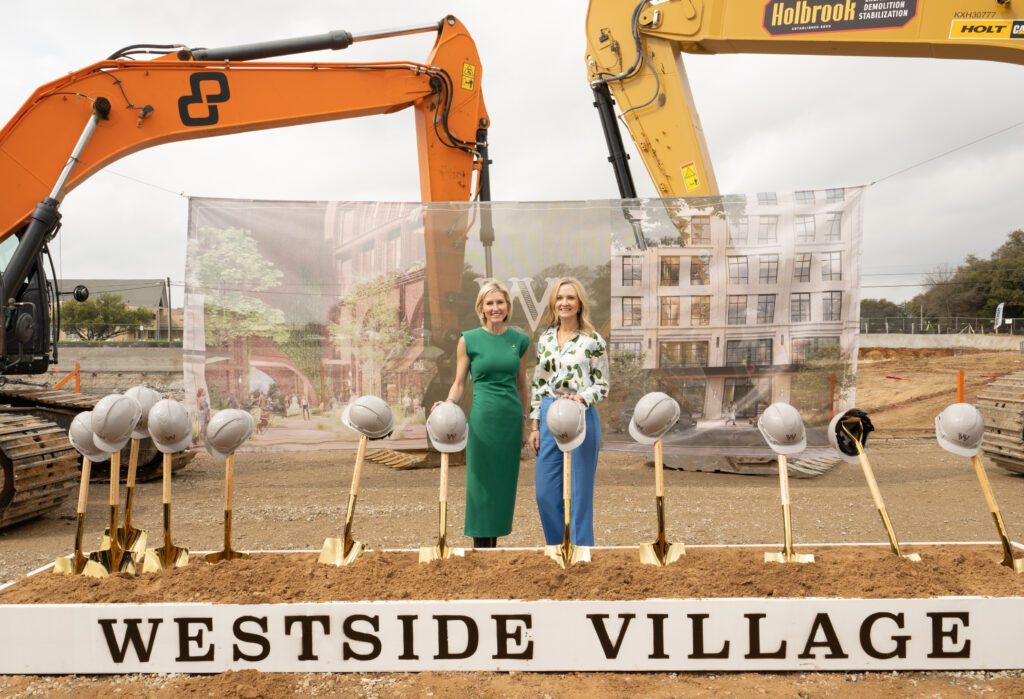
    Civic leaders and developers mark the start of Phase 1, budgeted at $410 million and due for completion by the end of 2030.

  3. Fort Worth approves $125 million in project incentives

    Policy

    The City Council backs up to $80 million in tax rebate grants over 15 years plus up to $45 million in tax increment financing for infrastructure.

Scenarios

1

First office building opens essentially full

Likely Resolves by Q1 2028

Discussed by: Larkspur Capital, which says negotiations for additional space are ongoing

The developers signed two tenants for roughly half the building before construction finished, and say more talks are underway. If the remaining floors lease before spring 2028, the first phase opens without vacant space and the case for the next phase strengthens. Tenant demand for new Class AA space on Fort Worth's west side is the variable.

2

Phase 1 slips past its 2030 target

Possible Resolves by Q2 2031

Discussed by: Fort Worth Inc., which reported the 2030 completion target at groundbreaking

Phase 1 is a $410 million package covering 200,000 square feet of office, 95,000 square feet of retail and a 150-room hotel, all due by the end of 2030. Multi-building, multi-phase projects routinely move dates as construction costs and leasing shift. A slip would push the tax revenue the city is counting on to repay its incentives further out.

3

Competing west-side towers absorb the tenant demand

Possible Resolves by End of 2029

Discussed by: Fort Worth Report, which notes three other trophy-class office projects under construction nearby

Crescent Offices West with JPMorganChase as anchor, plus the Van Zandt and One University Place from Goldenrod Companies, are all chasing office tenants on the same side of the city. If those buildings sign the tenants Westside Village needs, later phases could be reworked toward residential and retail instead of office.

Historical Context

3 moments from history that rhyme with this story — and how they unfolded.

2001-2013

Victory Park, Dallas (2001-2013)

A mixed-use district rose around the American Airlines Center after the arena opened in 2001, with condominiums, offices and street-level retail built in phases by a single developer.

Then

Street-level retail struggled for years, and the district felt empty between event nights.

Now

The Perot Museum of Nature and Science opened there in 2013 and apartment towers followed, filling in the gaps the first phase left.

Why this matters now

Shows how a phased, single-developer district depends on later anchors to make early retail work, which is the bet Westside Village is making with its jazz club and restaurant space.

2017

Legacy West, Plano (2017)

A large mixed-use district opened in suburban Plano anchored by Toyota's new North American headquarters and a Liberty Mutual regional campus, mixing offices, shops and apartments.

Then

Corporate tenants followed the anchors, and office space filled faster than the retail.

Now

The corridor became one of North Texas's main corporate office clusters.

Why this matters now

Westside Village is making the same wager: that one or two committed corporate tenants pull in the rest. Its first two tenants are a bank and an investment firm, not a Fortune 500 headquarters.

2005

Atlantic Station, Atlanta (2005)

A former steel mill site near midtown Atlanta was redeveloped into housing, offices and shops, opening as one of the country's largest brownfield mixed-use projects.

Then

Leasing slowed sharply when the 2008 recession hit, leaving parts of the district thinly occupied.

Now

The site eventually filled in as the surrounding neighborhood developed, but the original timeline stretched by years.

Why this matters now

A reminder that a 10-year build-out schedule assumes steady demand, and that the risk in a phased project is the economy between phases rather than the first building.

Sources

(2)