
Pull to refresh
Logo
Fortescue signs first third-party deal for Pilbara green grid

Fortescue signs first third-party deal for Pilbara green grid

Built World

20-year power agreement with lithium miner PLS makes Fortescue an energy supplier in Western Australia

Overview

Updated 2 hours ago

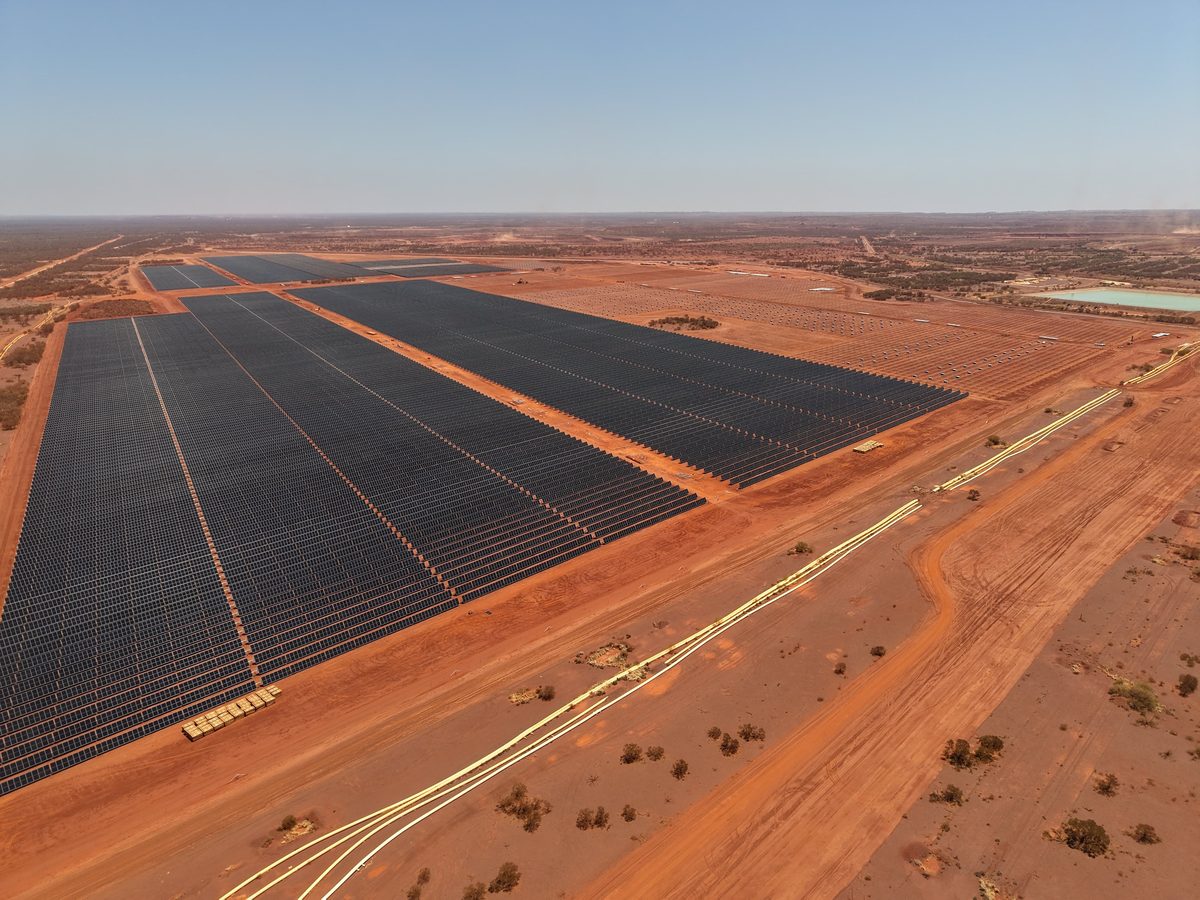
Fortescue built a renewable grid in Western Australia's Pilbara to power its own iron ore mines. On October 28 it signed its first deal to sell that power to someone else — a 20-year contract with lithium miner PLS Group.

Fortescue will supply at least 325 gigawatt-hours a year from 2029, roughly the electricity use of 45,000 homes. The deal makes the miner a regional power seller, competing with the state's North West Interconnected System, which remains in planning.

Why it matters

Fortescue's grid could become the Pilbara's default power supply before the state's own network is built, making a miner the region's utility.

Questions about this story

Free account needed to ask — your question is kept and asked for you right after sign-up. Answers are public.

No questions yet — be the first to ask.

Key Indicators

80%
PLS power emissions cut
Pilgangoora emissions intensity drops from 0.69 to about 0.13 tCO2-e/MWh by fiscal 2030.
550 km
Grid transmission built
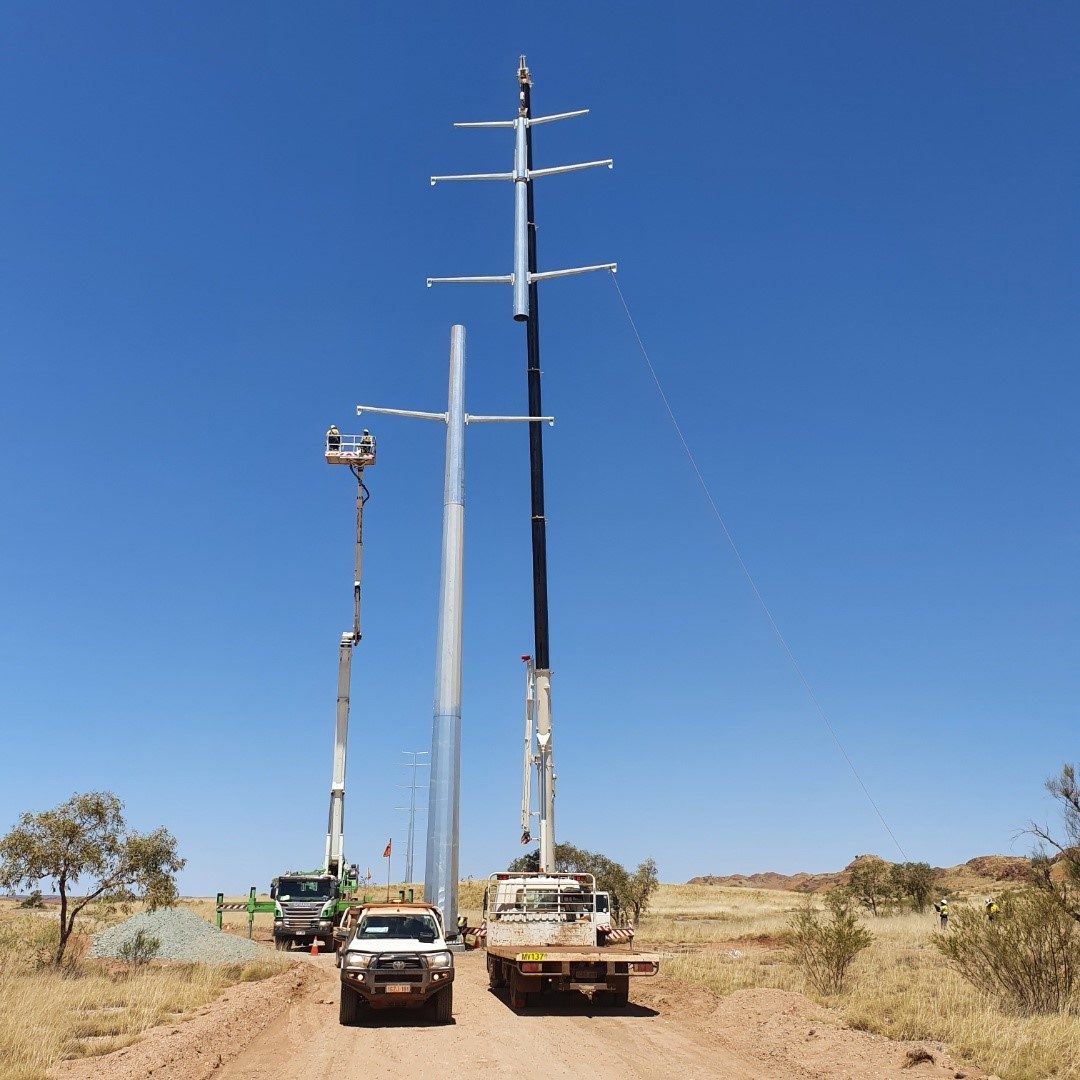
Of Fortescue's planned 660-kilometre network, 550 km is already in place.
2.4 GW
Green Grid target capacity
Solar and wind target, firmed by 4-5 GWh of battery storage.
$150M
PLS connection investment
PLS spends on transmission and substations across fiscal 2027-2029: $20M, $85M, then $45M.

Voices

Curated perspectives — historical figures and your fellow readers.

Sign up to generate historical perspectives on this story.

People Involved

Organizations Involved

Timeline

2026 October 2026

3 events Latest: Today
  1. Fortescue signs first third-party green grid deal

    Today Deal

    Fortescue and PLS sign 20-year PPA: 325 GWh per year to Pilgangoora from 2029.

  2. Fortescue CEO says Mining Act blocks power sales

    Statement

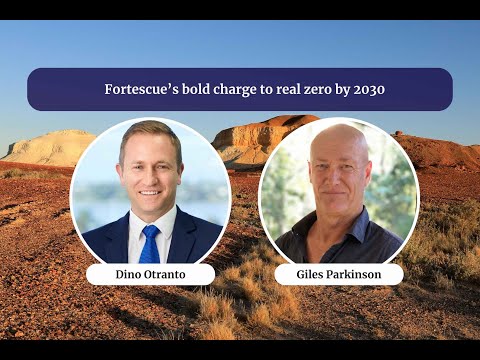
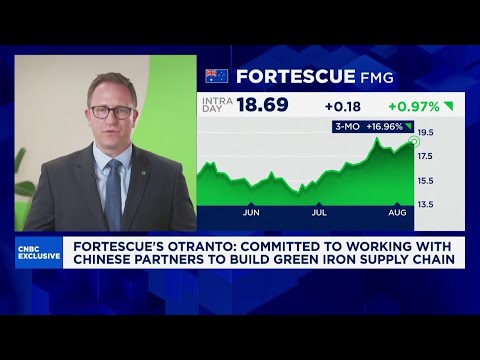
    Otranto tells a Business News event the law prevents selling electrons from mining tenure, calling it archaic.

  3. Fortescue floats data centre power sales

    Strategy

    Fortescue declares plans to sell power to data centres from its renewables network, drawing questions about Mining Act limits.

Scenarios

1

Fortescue signs more third-party grid customers

Likely Resolves by Q2 2028

Discussed by: Business News, Renewable Economy, Fortescue management

Fortescue's CEO says the company has a strong pipeline of customers beyond PLS. Each new buyer strengthens the case for the 660 km network. Renewable Economy and Business News both frame this deal as the first of likely many.

2

State grid NWIS advances as Fortescue's network grows

Possible Resolves by End of 2028

Discussed by: Business News, WA Energy Minister Amber-Jade Sanderson

WA's planned North West Interconnected System remains in planning, with a 2050 regional decarbonization target. The PLS deal shows miners may not wait for the state network. Energy Minister Sanderson said she welcomed the agreement, but the gap between Fortescue's 2030 real-zero target and the state's timeline is wide.

3

Mining Act change unlocks data centre power sales

Uncertain Resolves by End of 2028

Discussed by: Business News, Dino Otranto

Fortescue wants to sell power beyond mining customers, including data centres. Current Mining Act rules limit energy use to mining-related purposes. Otranto calls the law archaic and expects amendment; an amendment would open a market far larger than Pilbara miners.

Historical Context

2 moments from history that rhyme with this story — and how they unfolded.

early 2020s

Fortescue's green hydrogen pivot (early 2020s)

Fortescue committed hundreds of millions of dollars to green hydrogen, pursuing market leadership in the fledgling space. The cooling of that bet led to a refocus on renewables, which would have been needed to produce the hydrogen anyway.

Then

The pivot fed a A$6.2 billion decarbonization investment, which became the Green Grid.

Now

Fortescue now targets real-zero emissions by 2030 and is building renewables at a pace no other Pilbara producer matches.

Why this matters now

The PLS power deal is the first commercial fruit of that pivot — a renewable asset built for self-supply now selling to outsiders.

2020s

WA's North West Interconnected System planning (2020s)

State and federal governments planned the NWIS, a common-user network connecting industry-led renewable projects to decarbonize the Pilbara by 2050. The plan remains in planning.

Then

No final investment decision or construction start has been announced.

Now

Fortescue's private grid is being built now, raising questions about whether the state network will ever be needed.

Why this matters now

PLS chose Fortescue's private grid over waiting for the state network, a signal that miners will not hold off for the public plan.

Sources

(8)