
Pull to refresh
Logo
France brings forward minimum wage increase as protests continue

France brings forward minimum wage increase as protests continue

Rule Changes

The 1.6% rise takes net monthly pay to €1,502, short of union demands, five months before the presidential election.

Overview

Updated 1 hour ago

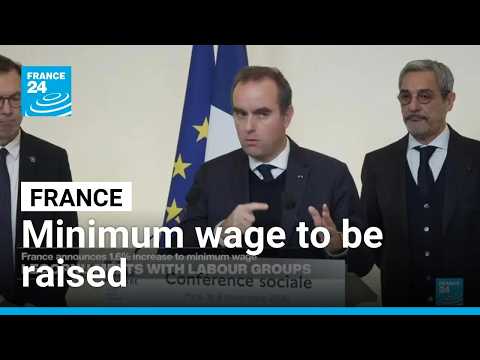
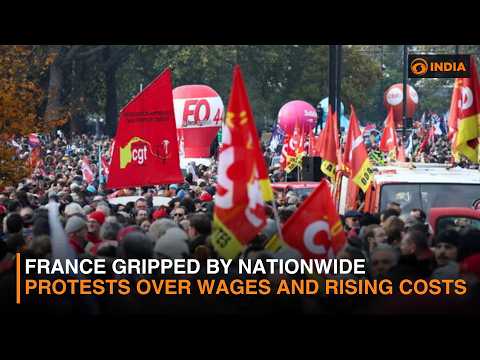
France will raise its minimum wage by 1.6% on December 1, moving up a planned January increase after more than six weeks of student-led protests over the cost of living.

The €24 monthly boost takes net pay to €1,502 and falls short of union demands for €100 to €150 more. It is a test of whether a wage concession can calm unrest five months before the presidential election.

Why it matters

It affects one of Europe's largest shares of minimum-wage workers and tests whether wage policy can calm protests before France's presidential election.

Questions about this story

Free account needed to ask — your question is kept and asked for you right after sign-up. Answers are public.

No questions yet — be the first to ask.

Key Indicators

€1,502
Net monthly minimum wage from Dec. 1
Up €24 from €1,477.93, where it has been since June.
1.6%
Minimum wage increase
The government moved the rise forward from January and added 0.6 percentage points.
€24
Monthly increase
Prime Minister Sebastien Lecornu called it the second-largest rise in 20 years.
12.7%
Workers paid at or near minimum wage
Compared with 8% in Germany and 3.5% in the Netherlands, according to Eurostat data cited by Reuters.
67%
Minimum wage as share of average earnings in 2024
One of Europe's highest ratios, according to Eurostat data cited by Reuters.
€100–€150
Union demands
The CFDT sought €100 more; the CGT sought a 10% rise, about €150.

Voices

Curated perspectives — historical figures and your fellow readers.

Sign up to generate historical perspectives on this story.

People Involved

Organizations Involved

Timeline

June 2026 November 2026

7 events Latest: Today
Tap a bar to jump to that date
  1. Government brings forward minimum wage rise

    Today Policy

    The 1.6% increase moves to December 1 from January.

  2. Unions reject increase as too small

    Today Statement

    The CFDT calls it insufficient; the CGT calls it crumbs.

  3. CGT calls new protest for November 17

    Today Statement

    Sophie Binet calls a new day of action.

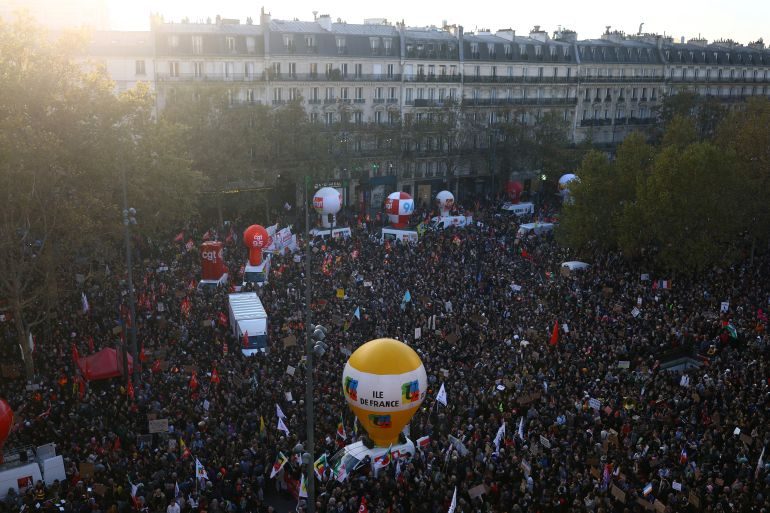
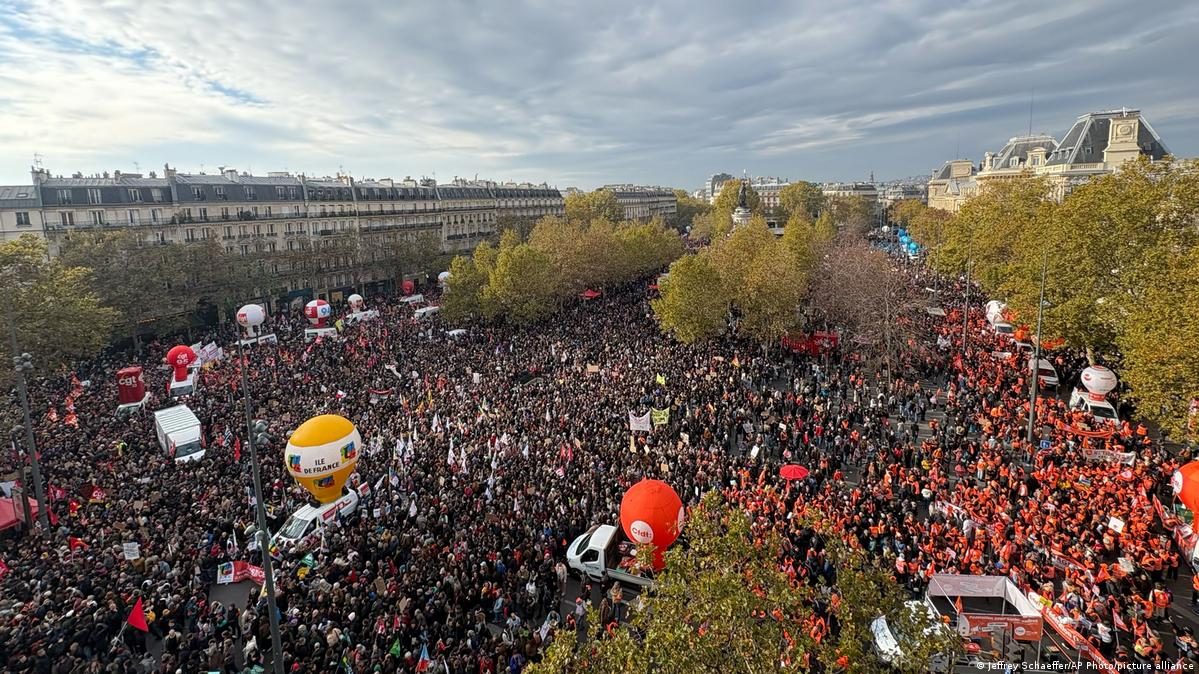
  4. Massive demonstration ahead of wage talks

    Protest

    A large demonstration precedes the government's meeting with unions and employers.

  5. Riots erupt in major cities

    Unrest

    Riots in major cities catch security forces off guard.

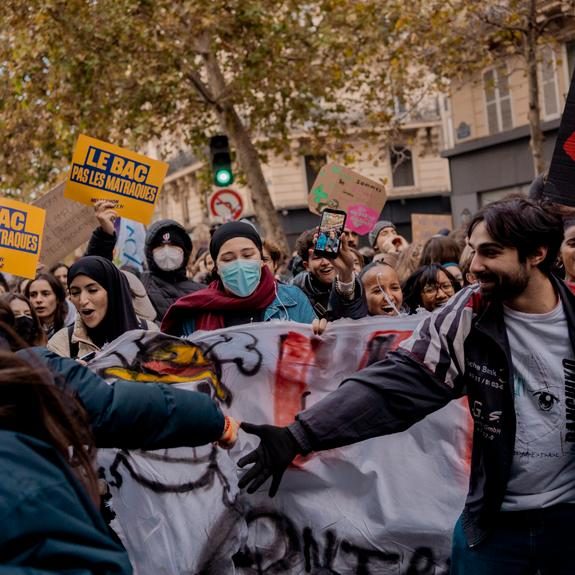
  6. High school protests begin over school funding

    Protest

    Student-led demonstrations start over underfunded schools.

  7. Minimum wage lifted by €35 in June

    Policy

    Inflation triggered a €35 monthly increase.

Scenarios

1

Minimum wage increase takes effect on December 1

Likely Resolves by Dec 1, 2026

Discussed by: French Labour Ministry and Reuters

The government has committed to the December 1 date and says the increase is planned to avoid job losses. The main trigger is the publication of the implementing decree and the first payrolls at the new rate. If it takes effect, the immediate policy change is delivered even if protests continue.

2

Protests widen into a nationwide general strike

Possible Resolves by Apr 15, 2027

Discussed by: CGT and Reuters

The CGT has called a day of action on November 17. If other major unions join and schools or transport close for a full day, the protest wave would move beyond student-led demonstrations and become a broader challenge to the government before the election.

3

Government offers a further wage concession before the election

Possible Resolves by Apr 15, 2027

Discussed by: French unions and Reuters

The 1.6% increase does not reach workers paid slightly above the minimum wage, and Lecornu acknowledged the limit. If protests continue, the government could announce a second increase or a new pay package before the presidential election to try to broaden its appeal.

Historical Context

2 moments from history that rhyme with this story — and how they unfolded.

November 2018 - 2019

Yellow Vest protests (2018-2019)

Fuel-tax protests spread across France in November 2018, drawing hundreds of thousands to blockades and clashes with police. President Emmanuel Macron's government cancelled the fuel-tax increase and announced a €100 monthly boost for minimum-wage workers.

Then

The concessions helped reduce the protests, though smaller actions continued.

Now

The episode showed that cost-of-living measures could defuse broad unrest, but also that street protests could force presidential retreats.

Why this matters now

The current government is using a similar playbook: a targeted wage increase announced after weeks of protests.

November-December 1995

Public-sector strikes against the Juppé plan (1995)

Rail and public-sector workers struck for weeks against Prime Minister Alain Juppé's pension and social-security reforms. The government eventually withdrew the pension changes.

Then

The strikes disrupted transport and schools across France.

Now

The retreat damaged Juppé's authority and showed the power of coordinated unions.

Why this matters now

It is a precedent for how quickly French governments can retreat when protests widen beyond students.

Sources

(10)