
Pull to refresh
Logo
France closes up to 500 schools as student protests spread

France closes up to 500 schools as student protests spread

Force in Play

Nationwide protests over teacher shortages and school conditions enter third week

Today: Large-scale protests planned

Overview

Updated 2 hours ago

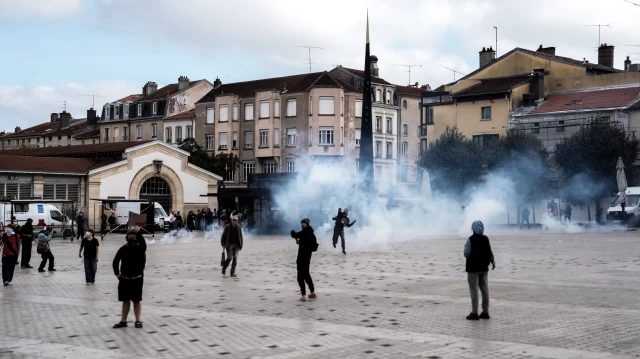
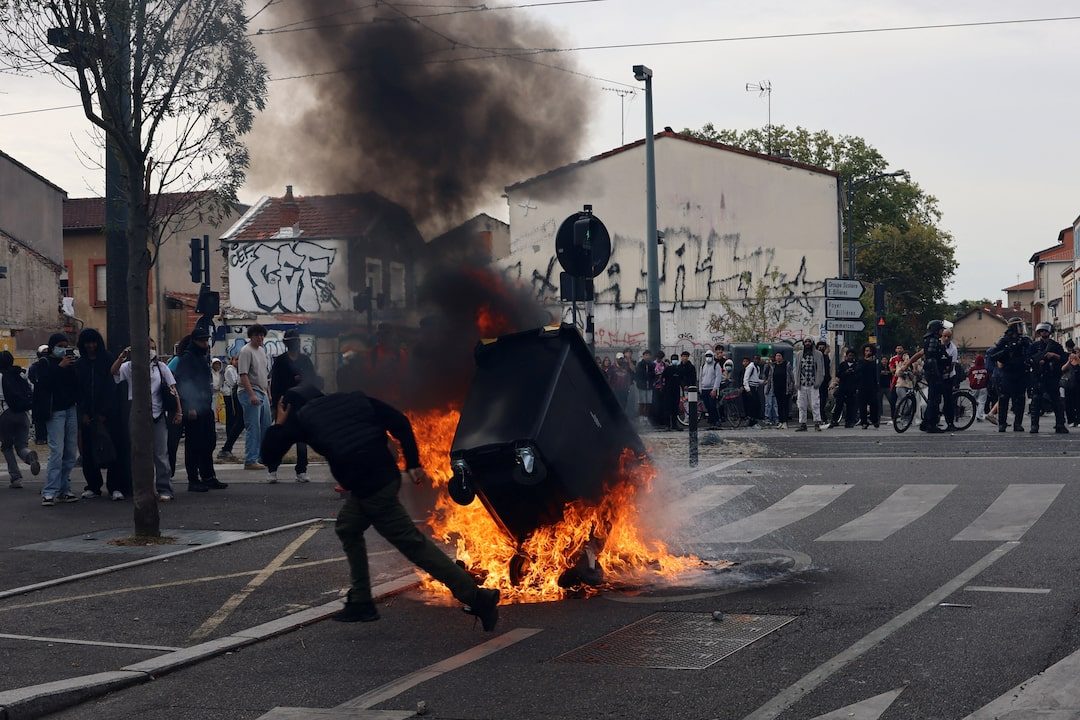
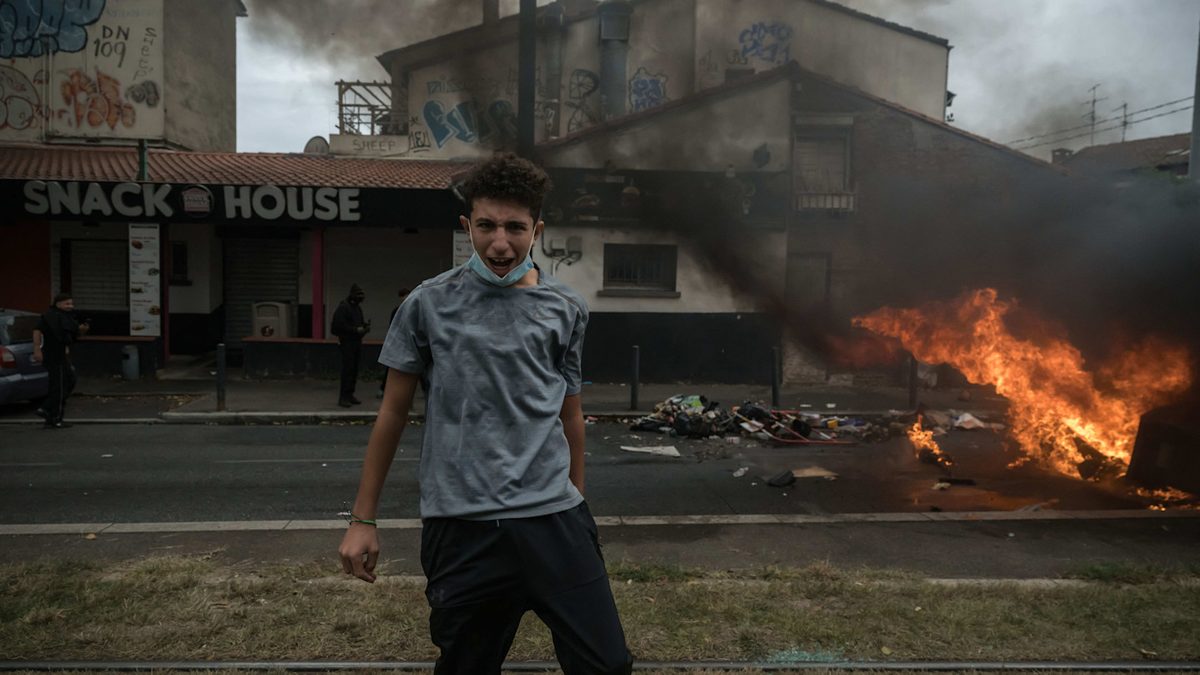
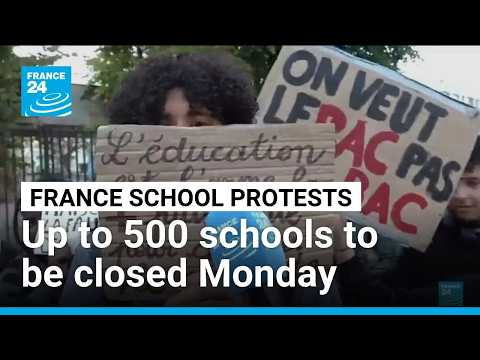
France will close up to 500 high schools on Monday as a student protest movement spreads nationwide. Education Minister Edouard Geffray said security conditions 'have not been fulfilled' at the affected schools, 24 of which have been burned or ransacked.

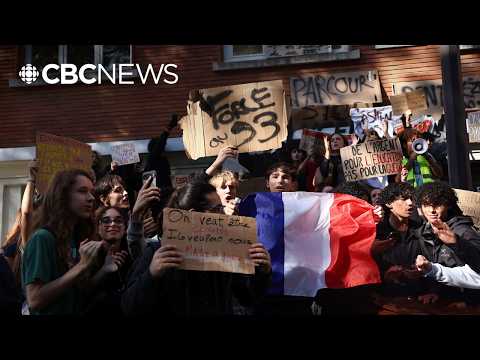
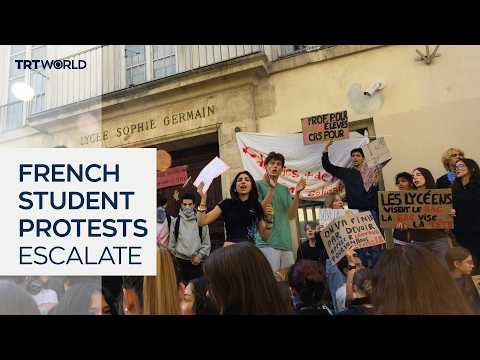
The movement started September 17 at a school in Creteil, east of Paris, over teacher shortages and long school days. It has grown into a national protest over inequality in the school system, with more than 5,000 arrests and hundreds of injuries. The unrest is now a political problem for President Emmanuel Macron's government, with presidential elections about six months away.

Why it matters

A nationwide student protest is forcing France to confront inequality in its schools, with closures disrupting education for hundreds of thousands of students.

Questions about this story

Free account needed to ask — your question is kept and asked for you right after sign-up. Answers are public.

No questions yet — be the first to ask.

Key Indicators

400-500
Schools closed Monday
Up to 500 high schools totally or partly closed on October 5, per the education minister.
5,000+
Arrests since protests began
85% of those arrested are minors, according to the interior minister.
24
Schools burned or ransacked
Reported by Education Minister Edouard Geffray since the protests began.
170+
Students injured
Plus 78 educational personnel injured, per the education minister.

Voices

Curated perspectives — historical figures and your fellow readers.

Ever wondered what historical figures would say about today's headlines?

Sign up to generate historical perspectives on this story.

People Involved

Organizations Involved

Timeline

September 2026 October 2026

7 events Latest: Today
Tap a bar to jump to that date
  1. Large-scale protests planned

    Today Protest

    Organizers call for renewed demonstrations with support from the CGT labor union.

  2. Schools close across France

    Government response

    Up to 500 high schools totally or partly closed as protests continue.

  3. Minister announces up to 500 schools to close

    Government response

    Education Minister Edouard Geffray says security conditions 'have not been fulfilled' at 400-500 high schools; 24 schools burned or ransacked.

  4. At least 400 schools closed Friday

    Government response

    The education ministry reports 400 of 3,700 high schools closed, with 560 facing protests or disruptions.

  5. Student loses eye in Tours clash

    Violence

    A 16-year-old is hit by a rubber bullet during protests in Tours and loses the use of his right eye.

  6. Student protests begin in Creteil

    Protest

    Teachers and students at Saint-Exupery high school protest teacher shortages and long school days.

  7. Protests spread nationwide

    Protest

    Class strikes, blockades and demonstrations spread from Paris suburbs to schools across France.

Scenarios

1

Government concessions defuse the student movement

Possible Resolves by End of 2026

Discussed by: French education analysts and media coverage

The government's timetable for filling teacher gaps and repairing schools, plus targeted concessions like those that ended the Creteil standoff, gradually reduce protest turnout. The Saint-Exupery school returned to normal after authorities sent additional staff, suggesting a template for resolving disputes at other schools.

2

Protests escalate into a broader political crisis

Possible Resolves by Apr 30, 2027

Discussed by: The government, which accuses LFI of backing the movement; CGT union leadership

Violence on the margins worsens, the CGT's Tuesday call brings workers into the streets, and the movement becomes a central issue in the presidential campaign. Macron's government responds with a harder police line, drawing accusations of heavy-handedness from critics.

3

Movement fades without systemic change

Likely Resolves by End of 2026

Discussed by: Sociologist Valerie Becquet and other observers

Some schools receive additional staff and repairs, but systemic issues remain. Protest turnout declines as students return to classes and the movement loses momentum without achieving broad reform.

Historical Context

3 moments from history that rhyme with this story — and how they unfolded.

May 1968

May 1968 (1968)

Student protests at the Sorbonne and Nanterre universities spread to a nationwide general strike involving 10 million workers. The movement nearly toppled Charles de Gaulle's government before he dissolved the National Assembly and called snap elections.

Then

De Gaulle's party won the June elections, and the movement dissolved within weeks.

Now

May 1968 became a symbol of French student power and triggered lasting social and educational reforms.

Why this matters now

Shows how French student protests can escalate into national political crises, but also how the political system can absorb them.

October-November 2005

2005 French riots (2005)

After two teenagers died in Clichy-sous-Bois, three weeks of riots spread across French suburbs. The unrest exposed deep inequality in the banlieues, the same disadvantaged neighborhoods where the current protests began.

Then

The government declared a state of emergency and made some concessions on youth employment.

Now

The riots became a reference point for discussions of inequality and policing in French suburbs.

Why this matters now

The current protests began in Creteil, a Paris suburb, and focus on inequality in disadvantaged neighborhoods, echoing the grievances of 2005.

November 2018 - 2019

Gilets jaunes (2018-2019)

Mass protests over fuel taxes and inequality, named for the yellow vests protesters wore. The movement began as a reaction to a fuel tax hike and grew into a broader protest against economic inequality and Macron's policies.

Then

Macron made concessions, including scrapping the fuel tax hike and announcing wage increases.

Now

The movement reshaped Macron's presidency and demonstrated the power of decentralized, leaderless protest movements.

Why this matters now

Shows Macron's government has faced sustained mass protest movements before, and that such movements can force concessions.

Sources

(10)