




Pull to refresh
Logo
France sends troops and air defenses to protect Saudi oil port Yanbu

France sends troops and air defenses to protect Saudi oil port Yanbu

Force in Play

Macron's deployment follows a surge in Houthi missile and drone attacks on Saudi Arabia's Red Sea oil infrastructure

2 days ago: Macron announces French deployment to protect Yanbu

Overview

Updated Yesterday

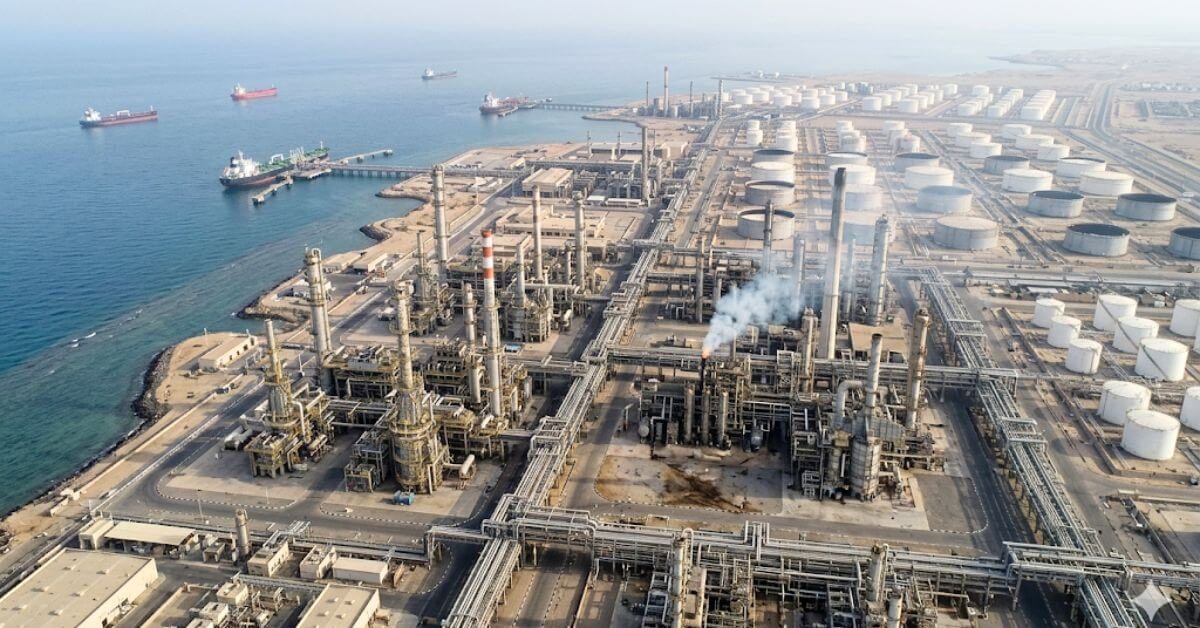
France will send troops, radar systems, and air-defense equipment to protect Yanbu, Saudi Arabia's main Red Sea oil export terminal, President Emmanuel Macron announced Thursday. The deployment responds to a surge in Houthi missile and drone attacks on Saudi oil infrastructure over the past week.

Yanbu sits at the end of the East-West Pipeline, the route Saudi Arabia uses to move crude to the Red Sea when Gulf shipping faces disruption. With several million barrels passing through daily and Brent crude already near $107 a barrel, losing the terminal would tighten global supply and push European fuel prices higher.

Why it matters

If Houthi attacks shut down Yanbu, a major share of Saudi oil exports stops flowing and European fuel prices climb further.

Questions about this story

Free account needed to ask — your question is kept and asked for you right after sign-up. Answers are public.

No questions yet — be the first to ask.

Key Indicators

$107
Brent crude price per barrel
Brent shot to nearly $107 per barrel by Sept. 24 evening, after falling below $100 two days earlier.
Several million barrels/day
Daily oil flow through Yanbu
Macron said several million barrels pass through the Red Sea route via Yanbu every day.
1,500
French personnel in Djibouti
France's base in Djibouti sits at the mouth of the Bab al-Mandab Strait, near Red Sea shipping lanes.

Voices

Curated perspectives — historical figures and your fellow readers.

Ever wondered what historical figures would say about today's headlines?

Sign up to generate historical perspectives on this story.

People Involved

Organizations Involved

Timeline

March 2015 September 2026

5 events Latest: 2 days ago
Tap a bar to jump to that date
  1. Macron announces French deployment to protect Yanbu

    Latest Statement

    France will send soldiers, radar systems, and defense systems to protect Yanbu oil terminal.

  2. Saudi coalition intercepts six ballistic missiles

    Conflict

    Coalition thwarts attacks on Taif and Yanbu, saying Houthi escalations will be met firmly.

  3. UK dispatches RAF tanker to support Saudi air defense

    Deployment

    London sends an RAF Voyager refueling aircraft following renewed Houthi attacks, on Saudi request.

  4. Houthis launch large-scale attacks on Riyadh and Yanbu

    Conflict

    Houthi group says it attacked the Saudi capital and the Red Sea oil port, marking a major escalation.

  5. Saudi-led coalition intervenes in Yemen

    Conflict

    Coalition begins military campaign against Houthis after they seized Sanaa and ousted the government.

Scenarios

1

French defenses hold, Yanbu keeps exporting oil

Likely Resolves by Mar 24, 2027

Discussed by: Al-Monitor and The War Zone analysis

French radar and air-defense systems arrive in the coming weeks and intercept continued Houthi drones and missiles. Saudi crude exports through Yanbu continue without major disruption, and oil prices stabilize as markets accept the defense as the new baseline.

2

Houthis strike French forces, testing the mission

Possible Resolves by Mar 24, 2027

Discussed by: The War Zone security analysts

A Houthi missile or drone hits French personnel or equipment at or near Yanbu, causing casualties. France faces a choice between retaliating and withdrawing, testing whether the protective mission can survive direct losses.

3

Diplomacy de-escalates the fight

Uncertain Resolves by Sep 24, 2027

Discussed by: Arab News and regional analysts

Negotiations between Saudi Arabia and the Houthis produce a ceasefire or confidence-building measures that reduce attacks on Saudi infrastructure. France scales back or ends its Yanbu deployment as the threat fades, and oil prices shed their risk premium.

Historical Context

3 moments from history that rhyme with this story — and how they unfolded.

August 1990 - February 1991

International defense of Saudi Arabia (1990-91)

After Iraq invaded Kuwait in August 1990, a 35-nation coalition led by the United States deployed hundreds of thousands of troops to Saudi Arabia to deter an Iraqi advance and protect the kingdom.

Then

The coalition expelled Iraqi forces from Kuwait in early 1991.

Now

Set the precedent for foreign troop deployments to defend Saudi territory during regional crises.

Why this matters now

The Yanbu deployment is a smaller, more targeted version of the same pattern: external powers sending forces to guard Saudi Arabia when it faces a nearby threat.

September 2019

Attack on Abqaiq-Khurais oil facilities (2019)

In September 2019, drone and missile strikes hit Saudi Arabia's Abqaiq oil processing facility and Khurais field. The attack briefly cut about half of the kingdom's crude production, roughly 5.7 million barrels per day, and sent oil prices spiking.

Then

Saudi Arabia restored most production within weeks and prices settled back down.

Now

The attack revealed how vulnerable Saudi oil infrastructure was to aerial attack and pushed Riyadh to deepen international defense cooperation.

Why this matters now

Shows how one successful strike on Saudi oil infrastructure can move global markets and reshape defense arrangements with allies.

February 2024

EU Operation Aspides naval mission (2024)

The European Union launched Operation Aspides, a naval mission to escort commercial ships through the Red Sea and Gulf of Aden after months of Houthi attacks disrupted global shipping.

Then

European warships intercepted Houthi drones and missiles and escorted merchant vessels.

Now

The mission set a template for European military operations near Yemen and involved France directly.

Why this matters now

France already participates in Operation Aspides; the Yanbu deployment extends French protection from Red Sea shipping lanes to Saudi land infrastructure.

Sources

(11)