
Pull to refresh
Logo
UK deploys RAF Typhoons to defend Saudi Arabia from Houthi attacks

UK deploys RAF Typhoons to defend Saudi Arabia from Houthi attacks

Force in Play

British fighter jets will fly defensive missions over Saudi cities, marking a major step up in UK military involvement in the Gulf

Yesterday: UK deploys RAF Typhoons to defend Saudi skies

Overview

Updated 1 hour ago

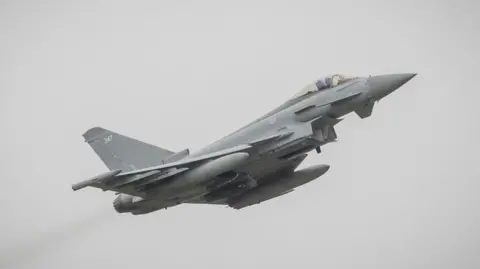
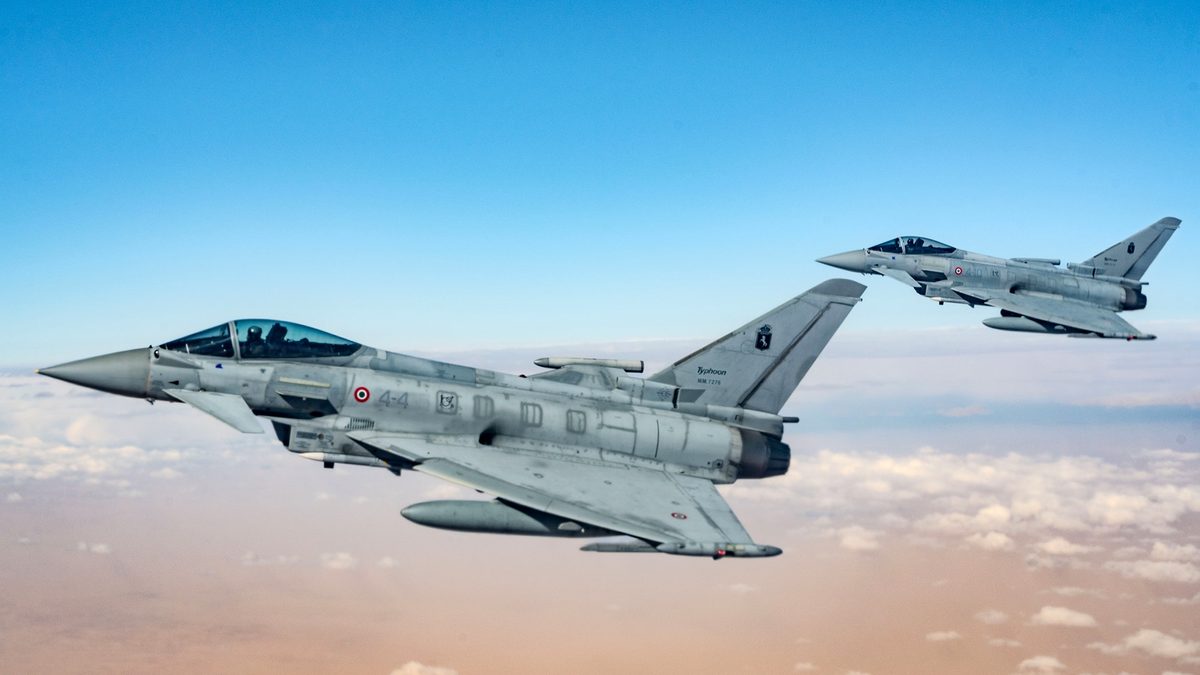
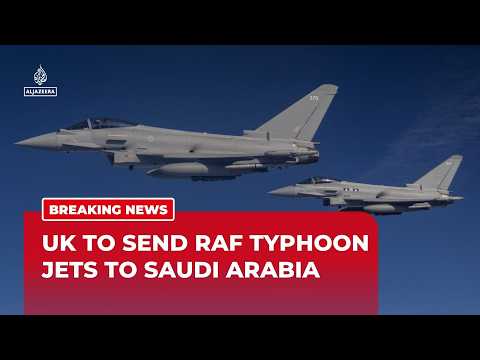
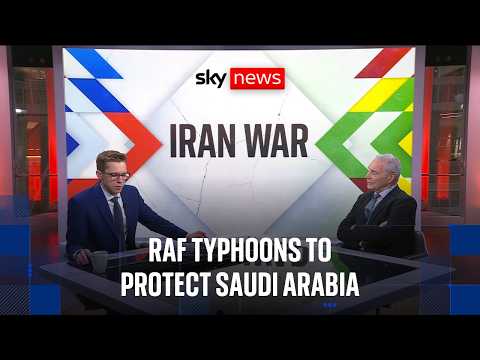
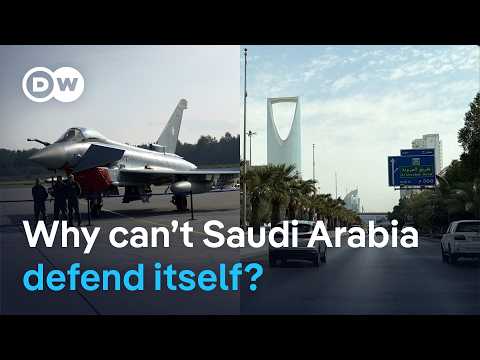
The UK will fly Royal Air Force Typhoon fighter jets on defensive missions over Saudi Arabia to protect Saudi cities and critical infrastructure from Houthi missile and drone attacks. Defence Secretary Wes Streeting announced the deployment on October 20, saying the aircraft "will operate in a defensive role and will not conduct offensive strikes against the Houthis." This is the first deployment of British combat aircraft into the conflict.

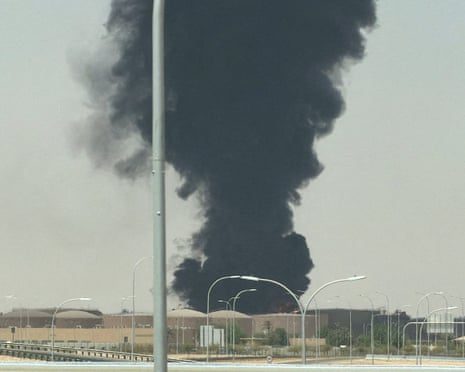
The step-up follows a September collapse of a years-long truce in Yemen's civil war, which triggered a fresh Houthi offensive and escalating attacks deep inside Saudi territory. A missile strike on Riyadh's King Khalid International Airport on October 10 killed 13 people and injured 308 — the deadliest attack in Saudi Arabia in more than a decade. The UK's earlier support — air-to-air refueling and ground-based air defense — did not include fighter jets. Now it does.

Why it matters

The UK is committing combat aircraft to the Gulf conflict, a move that risks drawing Britain deeper into a regional war with Yemen's Iran-aligned Houthis.

Questions about this story

Free account needed to ask — your question is kept and asked for you right after sign-up. Answers are public.

No questions yet — be the first to ask.

Key Indicators

13
Killed in October 10 Riyadh airport strike
A Houthi missile strike on King Khalid International Airport killed 13 and injured 308 — the deadliest attack in Saudi Arabia in over a decade.
90 days
Extension of UK air-to-air refueling support
The RAF refueling mission for Saudi defensive air operations — agreed in September — has been extended by 90 days.
19
Killed in Houthi attacks on Saudi airports
Saudi authorities reported 19 people killed across Houthi attacks on the kingdom's airports.

Voices

Curated perspectives — historical figures and your fellow readers.

Ever wondered what historical figures would say about today's headlines?

Sign up to generate historical perspectives on this story.

People Involved

Organizations Involved

Timeline

2014 October 2026

6 events Latest: Yesterday
Tap a bar to jump to that date
  1. UK deploys RAF Typhoons to defend Saudi skies

    Latest Military

    Defence Secretary Wes Streeting announces Typhoon jets will fly defensive counter-air missions over Saudi Arabia against Houthi attacks.

  2. Deadly Houthi strike on Riyadh airport

    Attack

    Missile strike on King Khalid International Airport kills 13, injures 308 — the deadliest attack in Saudi Arabia in over a decade.

  3. UK commits RAF Voyager tanker for Saudi air refueling

    Military

    Following a Saudi request, the UK deploys an RAF Voyager tanker for air-to-air refueling of Saudi defensive operations.

  4. Yemen truce collapses; Houthis launch offensive

    Conflict

    A years-long ceasefire breaks down. Houthis seize the Bab al-Mandab strait and strike targets deep in Saudi territory.

  5. UK deploys Sky Sabre ground-based air defense

    Military

    The UK announces a Sky Sabre air defense system for Saudi Arabia, with a battery in place since 2022.

  6. Houthis seize Sanaa, civil war begins

    Conflict

    Houthi rebels oust Yemen's internationally recognized government from the capital Sanaa.

Scenarios

1

UK Typhoons Engage Houthi Missiles, Deployment Extended

Likely Resolves by Jan 20, 2027

Discussed by: BBC News, Reuters, UK defence analysts

The Typhoons intercept and shoot down Houthi drones and missiles targeting Saudi cities, proving effective and prompting London to extend the mission beyond its initial scope. The deployment stabilizes Saudi air defense, reducing pressure on Riyadh's own depleted capabilities and allowing Saudi jets to focus on offensive strikes against Houthi positions in Yemen.

2

UK Mission Suffers Casualties, Political Backlash Mounts

Unlikely Resolves by Q2 2027

Discussed by: UK political commentators, anti-war groups

RAF personnel or aircraft are lost or damaged in the mission — either through Houthi counter-attacks or operational accidents. The incident triggers parliamentary scrutiny of British military involvement in the conflict and pressure on the Burnham government to withdraw, echoing debates over UK participation in Middle East conflicts.

3

Houthi Attacks Subside, UK Withdraws Typhoons

Possible Resolves by End of 2027

Discussed by: Reuters, diplomatic analysts

A new ceasefire or diplomatic agreement between the Houthis and the Saudi-backed Yemeni government takes hold. With attacks diminishing, the UK gradually draws down the Typhoon deployment and reverts to logistical support only, mirroring the gradual reduction of UK involvement after previous Gulf conflicts.

Historical Context

2 moments from history that rhyme with this story — and how they unfolded.

August 1990 - February 1991

UK in the First Gulf War (1990-1991)

Britain deployed roughly 45,000 troops, warships, and RAF Tornado and Jaguar aircraft to help eject Iraqi forces from Kuwait as part of a US-led coalition. RAF jets flew thousands of sorties and lost six aircraft in combat.

Then

Coalition forces expelled Iraq from Kuwait in six weeks. The UK's military contribution cemented its position as America's closest ally.

Now

The war established a precedent for UK participation in US-led Middle East coalitions, but subsequent deployments (Iraq 2003, Libya 2011) faced growing parliamentary and public skepticism.

Why this matters now

Today's Typhoon deployment is a smaller, defensive-only commitment, but it raises the same question: how far will UK military involvement in the region extend before it faces political opposition at home?

September 2014 - December 2018

UK Air Operations over Iraq and Syria against ISIS (2014-2018)

RAF Tornado and Typhoon jets conducted airstrikes against Islamic State targets in Iraq, later extended to Syria after parliamentary approval in 2015. Britain also deployed ground-based air defense and intelligence assets.

Then

RAF jets flew thousands of strike and reconnaissance sorties, contributing to the territorial defeat of ISIS by late 2017.

Now

The operation marked the first time UK forces conducted offensive airstrikes in the Middle East since Iraq 2003, and set precedent for parliamentary votes on extended military action.

Why this matters now

Like the anti-ISIS campaign, the current Typhoon deployment involves RAF combat aircraft operating over the Arabian Peninsula. But the mission is strictly defensive, and Parliament has not voted on it.

Sources

(7)