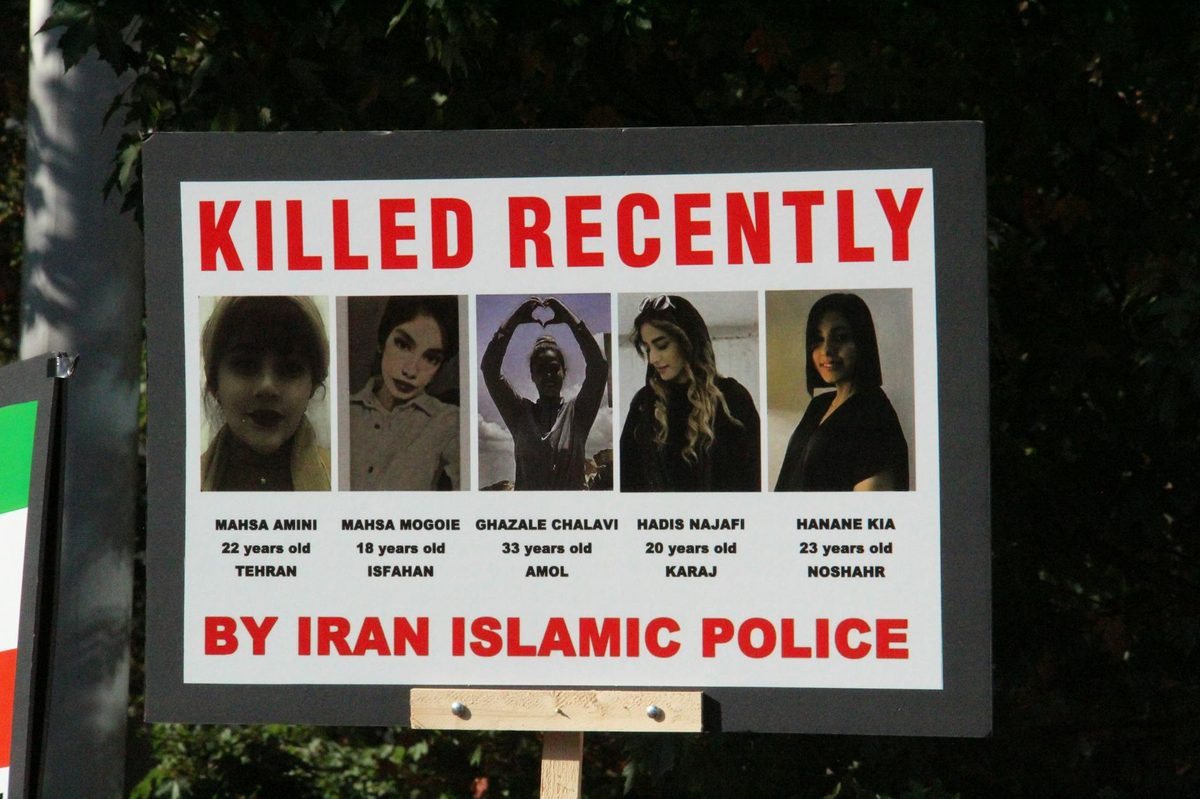
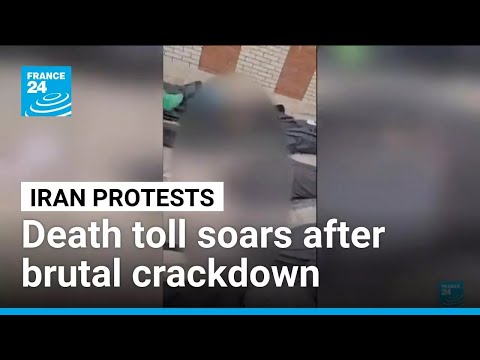
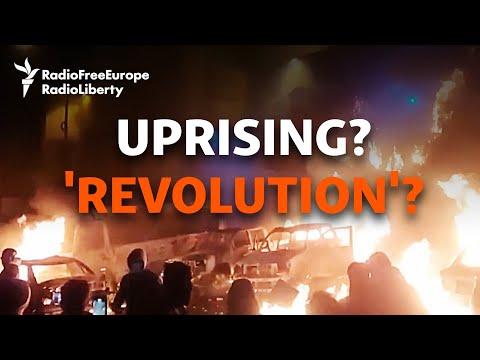
The December 2025 uprising was suppressed at massive cost. HRANA's February 23 report, 'The Crimson Winter,' verified 7,007 deaths—6,488 adult protesters, 236 minors, 207 security forces, and 76 bystanders—with another 11,744 cases still under review. President Pezeshkian publicly apologized for the massacres on February 11.
On February 28, US and Israeli forces struck Tehran, killing Supreme Leader Ali Khamenei. The IRGC pressured the Assembly of Experts to name his son Mojtaba as replacement nine days later. The regime has since executed at least 26 protest detainees, while negotiating a ceasefire and nuclear deal with Washington.
Why it matters
Iran's government killed over 7,000 of its citizens, then executed protesters while negotiating nuclear peace with the US.
Questions about this story
Free account needed to ask — your question is kept and asked for you right after sign-up. Answers are public.
0
Was this the reason Trump thought he had an opening to strike?
Yes — the uprising was explicitly part of Trump's rationale and moved Israel's timetable forward, though the nuclear threat was the stated military objective.
Why it matters: The decision to strike while Iran was still reeling from a domestic massacre — rather than waiting — reflects a deliberate calculation that regime vulnerability was a now-or-never window.
—Israeli Defense Minister Israel Katz said Israel had planned to strike Iran in mid-2026, but moved the timetable to February specifically because the 2025–2026 protests had destabilized the regime.
—Mossad chief David Barnea's plan assumed U.S.-Israeli strikes and assassinations would trigger the Iranian opposition to revolt — essentially using the uprising's embers as a second front.
—Trump's White House statement for Operation Epic Fury cited three triggers: Iran's nuclear pursuit, its rejection of diplomacy, and 'the regime's massacre of thousands of its own citizens during the most significant protests since the 1979 revolution.'
—The protests alone weren't enough — Bloomberg reported Netanyahu's intelligence on Khamenei's location was the decisive operational factor that converted the window into the actual strike.
Arab Center DC argued that Trump's war aims were contradictory — the nuclear-destruction objective and the regime-change objective pulled in different directions, and the uprising was being used post-hoc to moralize a strike that was primarily driven by Israeli intelligence and nuclear calculations.
Some analysts hold that the uprising was the genuine strategic opening; others say it was window dressing on a strike Netanyahu had been pushing for regardless of internal Iranian politics.
AI-generated with web search — may be wrong. Check the linked sources.
Key Indicators
7,007+
Protester deaths verified
HRANA's 50-day 'Crimson Winter' report (February 23) confirmed 7,007 named deaths: 6,488 adult protesters, 236 minors, 207 security forces, 76 bystanders. Iran's government reported 3,117. Medical networks inside Iran put the figure as high as 30,000.
31
Provinces with protests
Protests reached every province at their January peak. Student demonstrations resumed in February at universities around 40-day memorials for those killed.
1.4M
Rials per dollar
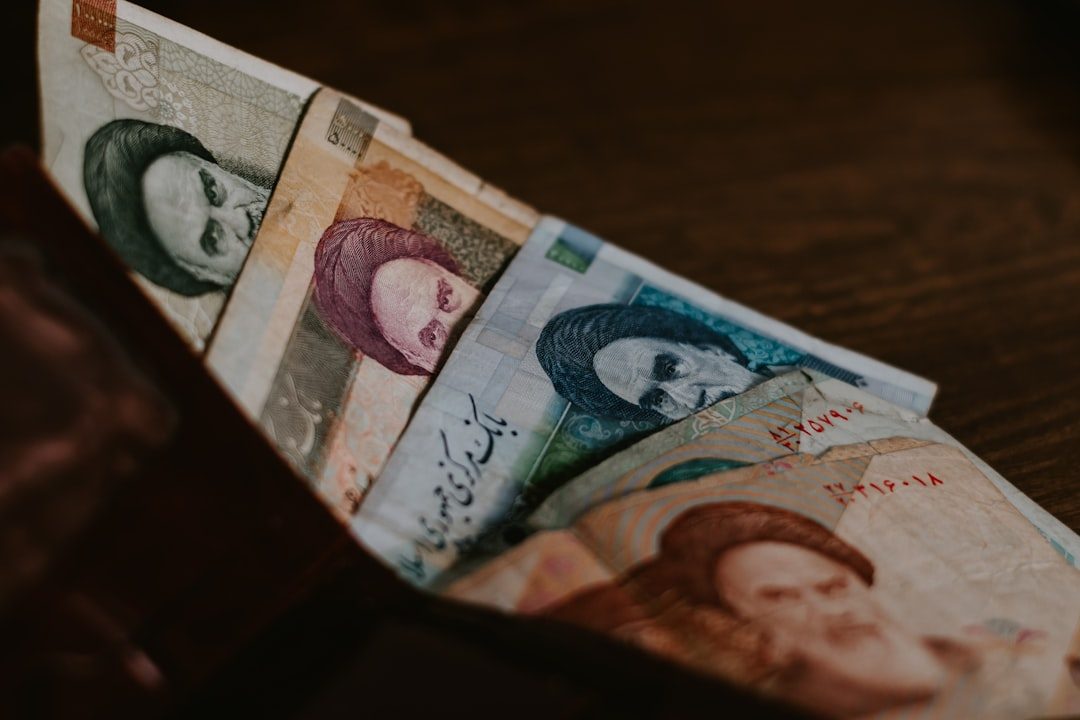
The currency lost over 50% of its value in the 12 months before protests began, triggering 72% food price inflation.
51,790+
Arrested
HRANA confirmed 51,790 arrests by February 9, nearly double the January figure of 26,000. At least 26 detainees have since been executed following expedited trials.
26+
Protesters executed
At least 26 protest-linked executions were documented between March 19 and May 4, 2026. The first three—including teenage wrestler Saleh Mohammadi—were hanged publicly in Qom on March 19.
48 events
Latest: May 24th, 2026 · 5 months ago
Showing 8 of 48
JK to step
Tap a bar to jump to that date
Jump to
May 2026
Trump Declares US-Iran Deal 'Largely Negotiated'
LatestInternational
Trump said an agreement covering nuclear enrichment limits, Strait of Hormuz reopening, and sanctions relief was 'largely negotiated,' then told negotiators not to rush. Pezeshkian told state TV Iran was ready 'to assure the world that we are not after a nuclear weapon.'
Trump Postpones Scheduled Iran Strike After Gulf State Requests
International
Trump postponed a planned attack on Iran following requests from Qatar, Saudi Arabia, and the UAE to allow more time for negotiations.
Four More Protest Detainees Hanged in Urmia and Mashhad
Legal
Iran's judiciary hanged four people—arrested during the 2022 protests and the January 2026 uprising—in Urmia and Mashhad. Rights groups counted at least 26 protest-linked executions since March 19.
April 2026
Trump Orders US Naval Blockade of Iran
International
After ceasefire negotiations collapsed over Iran's Strait of Hormuz stance and Lebanon, Trump announced a naval blockade. A dual blockade took effect, with the US Navy blockading Iran and Iran blockading Persian Gulf transit.
US-Iran Ceasefire Agreed After Five Weeks of Strikes
International
The United States and Iran agreed to a ceasefire covering a halt to strikes and reopening of the Strait of Hormuz. The agreement came under immediate strain over Lebanon and Iran's refusal to fully reopen the strait.
March 2026
First Protest Executions: Saleh Mohammadi and Two Others Hanged in Qom
Legal
Mehdi Ghasemi, Saleh Mohammadi (19), and Saeid Davoodi were publicly executed in Qom—the first hangings tied to the January 2026 uprising. Rights groups said all three confessions were extracted under torture.
Ali Larijani Killed in Israeli Airstrike
Military
Israeli strikes on Tehran killed SNSC Secretary Ali Larijani, his son Morteza, and his office chief Alireza Bayat. Iran retaliated the following day with a missile barrage targeting Ramat Gan, killing two Israeli civilians.
Mojtaba Khamenei Named Third Supreme Leader
Political
After six days of IRGC pressure, the Assembly of Experts named Mojtaba Khamenei—Ali's second son—as Iran's third supreme leader. Analysts described him as more hardline than his father, with deep ties to the IRGC.
Iranian state media confirmed the death of Supreme Leader Ali Khamenei, ending his 36-year rule. The government declared 40 days of national mourning.
February 2026
US-Israeli Strikes Kill Supreme Leader Khamenei
Military
US and Israeli forces launched nearly 900 strikes in 12 hours across Iran (Operation Epic Fury and Operation Roaring Lion). CIA intelligence located a senior-officials meeting; an airstrike on Khamenei's Tehran compound killed him, his daughter, granddaughter, son-in-law, and daughter-in-law.
HRANA 50-Day Report Confirms 7,007 Deaths
Casualties
HRANA released 'The Crimson Winter,' a 50-day record confirming 7,007 named deaths: 6,488 adult protesters, 236 minors, 207 security forces, and 76 bystanders. Another 11,744 deaths remained under review.
Second Wave of Student Protests at Universities
Protest
Students at universities across Iran held 40-day memorial protests for those killed in January, chanting 'Death to the Dictator' and carrying the Lion and Sun flag. Basij forces attacked protesters at several campuses and arrested dozens.
Pezeshkian Apologizes to Nation for Massacre
Government Response
President Pezeshkian issued a public apology to Iranians for the deaths during the January crackdown. It was the first acknowledgment by a sitting official that the security response constituted a massacre.
January 2026
HRANA Verifies 4,029 Deaths; Judiciary Chief Threatens More Punishment
Casualties
Human Rights Activists News Agency verified 4,029 protester deaths (3,786 demonstrators, 180 security forces, 28 children, 35 bystanders), up from 3,919 the previous day. Iran's judiciary chief stated 'our main work at the judiciary about the recent developments has just started,' threatening harsh punishment for arrested 'rioters.' More than 5,800 sustained severe injuries, with over 26,000 arrested.
HRANA Verifies 3,919 Deaths, Internet Blackout Partially Lifted
Casualties
Human Rights Activists News Agency verified 3,919 protester deaths, up from 3,308. Internet blackout began gradually scaling back after nearly two weeks, though most of Iran's 90 million people remain offline.
Regime Deploys Foreign Mercenaries and Possible Chemical Agents
Government Response
Reports emerged that the regime, unable to quell protests with domestic forces alone, is importing foreign mercenaries and potentially deploying toxic chemical agents against protesters.
Erfan Soltani Confirmed Alive After Execution Fears
Legal
Detained protester Erfan Soltani, 26, confirmed in good physical health and able to meet family after international outcry over his imminent execution. Iran's judiciary denied he was sentenced to death, charging him with 'assembly and collusion against internal security' instead.
Brief Internet Restoration Quickly Suspended Again
Government Response
Limited internet access was briefly restored after 10 days of near-total blackout, then suspended again within hours. Some users reported temporary access to WhatsApp and Google services. Text messaging (SMS) was restored nationwide as part of phased plan, but most of Iran's 90 million people remain offline.
Supreme Leader Khamenei publicly acknowledged thousands were killed during the uprising, calling Trump a 'criminal' responsible for casualties. He vowed the regime would 'break the back of the seditionists' and 'not spare domestic criminals.'
Death Toll May Reach 16,500-18,000
Casualties
The Sunday Times reported that a network of Iranian doctors inside the country compiled figures showing at least 16,500-18,000 people killed during the crackdown. Separately, Iran Human Rights verified 3,428 deaths.
Tehran Locked Down with Tens of Thousands of Troops
Government Response
Regime deployed tens of thousands of armed forces to lock down Tehran under a state of 100% alert, turning the capital into a military garrison as protests appeared to diminish.
Hard-line Cleric Demands Executions of Protesters
Government Response
A hard-line cleric leading Friday prayers in Tehran demanded the death penalty for detained protesters and directly threatened President Trump. Iran's judiciary head called for 'swift' trials.
Human Rights Watch Documents Mass Killings
International
Human Rights Watch released a report documenting growing evidence of countrywide massacres by Iran's security forces, particularly during January 8-9 after the internet blackout.
Trump Claims Iran Canceled Over 800 Executions
International
President Trump claimed Iran canceled the execution of over 800 detained protesters following his warnings of 'strong action.' Iran's judiciary confirmed some protesters face moharebeh charges carrying death penalty but did not confirm mass execution plans.
U.S. Treasury Sanctions Iranian Officials
International
Treasury designated Ali Larijani and four regional commanders as crackdown architects. Also sanctioned: Fardis Prison and 18 individuals/entities in shadow banking networks tied to Bank Melli and Shahr Bank.
Protests Appear to Diminish After Crackdown
Protest
Nationwide protests appeared to ease after nearly three weeks of unrest, continuing at a smaller scale than the previous week. Trump signaled possible de-escalation, saying the killing appeared to be ending.
UN Security Council Holds Emergency Meeting on Iran
International
UN Security Council convened at U.S. request to address the deadly crackdown. UN Assistant Secretary-General Martha Pobee briefed that popular protests rapidly evolved into nationwide upheaval with significant loss of life. Iran condemned Trump's military intervention threats as violation of UN Charter.
Judiciary Orders 'Fast-Track Trials' for Protesters
Legal
Iranian Judiciary Chief Gholamhossein Mohseni-Ejei ordered 'fast-track trials' for arrested protesters, explicitly invoking the Sharia capital charge of moharebeh. He stressed: 'If we want to do something, we must do it quickly and on time.'
Nearly 5,000 Iraqi Militia Fighters Deployed to Iran
Government Response
Nearly 5,000 fighters from Iraqi Shia militias including Kata'ib Hezbollah, Harakat al-Nujaba, Sayyid al-Shuhada, and Badr Organisation crossed into Iran through Shaib and Zurbatiya border crossings to help suppress protests, officially disguised as pilgrimage to Mashhad.
U.S. Warns Iran Against Executing Protesters
International
The State Department announced Iran planned to execute detained protester Erfan Soltani, 26. President Trump warned of 'strong action' if executions proceed.
Trump Envoy Meets Pahlavi Secretly
International
White House envoy Steve Witkoff met secretly with Reza Pahlavi, the first high-level contact between the Trump administration and Iranian opposition since protests began.
Death Toll Estimate Reaches 12,000
Casualties
Iran International concluded an investigation estimating at least 12,000 civilians killed, based on government sources, eyewitness accounts, and hospital data.
Prosecutor Declares All Protesters Face Moharebeh Charges
Legal
Tehran prosecutor announced in televised statement that an undisclosed number of protesters would be charged with moharebeh ('waging war against God'), an offense punishable by death in Iran.
Death Toll Passes 2,000 Amid Blackout
Casualties
Iran International reported at least 2,000 protesters killed over the previous 48 hours. Hospitals in Tehran and Shiraz were overwhelmed with gunshot victims.
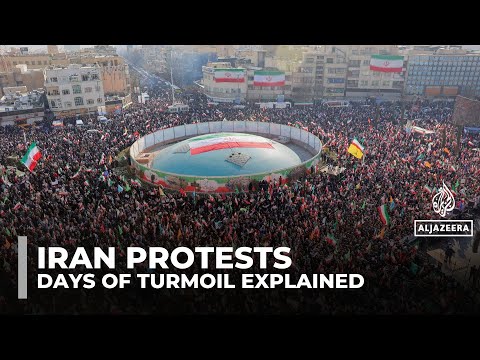
Millions Protest Across All 31 Provinces
Protest
Demonstrations reached their peak despite the blackout, with millions taking to streets in all provinces. Death toll estimates began diverging dramatically.
IRGC Intelligence Warns Against Military Defections
Government Response
IRGC Intelligence Organization issued statement warning that any 'defiance, desertion, or disobedience' among military personnel would face 'trial and decisive action.' The warning was later deleted, likely reflecting regime fears of triggering panic.
France, UK, Germany Issue Joint Statement on Violence
International
French President Emmanuel Macron, UK Prime Minister Keir Starmer, and German Chancellor Friedrich Merz issued joint statement expressing deep concern about violence and condemning the killing of protesters.
At Least 10 IRGC Members Killed in Kermanshah
Casualties
Anti-regime media reported clashes between protesters and security forces in Kermanshah Province killed at least 10 IRGC Ground Forces Nabi Akram Unit members.
Nationwide Internet Blackout Imposed
Government Response
Iranian authorities cut internet access across the country. Human rights groups reported mass casualties began that night, with Tehran hospitals recording 217 protester deaths.
Pahlavi Calls for General Strikes
Opposition
Exiled Crown Prince Reza Pahlavi and seven Kurdish political parties called for sustained protests and general strikes.
Pezeshkian Orders Forces Not to Target Peaceful Protesters
Government Response
President Pezeshkian issued an order barring action against peaceful protesters, though the directive had limited effect on security forces.
Khamenei: 'Rioters Must Be Put in Their Place'
Government Response
Supreme Leader Khamenei distinguished between 'protesters' and 'rioters,' signaling the crackdown would intensify. The IRGC's Lorestan corps declared 'tolerance' over.
December 2025
Government Orders Closures in 21 Provinces
Government Response
Authorities ordered broad closures across 21 of 31 provinces as protests spread nationwide.
Tehran Bazaar Strike Ignites Protests
Protest
Shopkeepers at Tehran's Grand Bazaar closed their stalls over the rial's collapse to 1.4 million per dollar. Demonstrations spread to other commercial centers within hours.
September 2025
UN Reimposed Nuclear Sanctions
International
The United Nations reimposed sanctions on Iran over its nuclear program, further straining the economy.
August 2025
Larijani Appointed SNSC Secretary
Political
President Pezeshkian appointed Ali Larijani to lead the Supreme National Security Council, placing a veteran security figure in charge of crisis coordination.
June 2025
Ceasefire Ends 12-Day War
Military
Israel and Iran agreed to a ceasefire under U.S. pressure. The rial began a sustained collapse, losing over 40% of its value by December.
12-Day War with Israel Begins
Military
Israel launched surprise strikes on Iranian military and nuclear facilities. Iran retaliated with over 550 ballistic missiles. The conflict killed over 1,000 Iranians and caused $24–35 billion in economic damage.
Scenarios
1
Regime Survives Through Sustained Repression
Possible
Discussed by: Al Jazeera, analysts at Brookings Institution
The IRGC and security forces restore order through continued lethal force. Protests dissipate as they did after 2022. The regime emerges weaker, more isolated, and more dependent on coercion—but intact. This scenario requires security forces to remain unified and willing to kill at scale, and assumes no significant military defections.
Discussed by: Euronews, Iranian analyst cited in coverage
Under pressure, the Supreme Leader replaces hardline advisers and announces genuinely competitive elections for June. This would require Khamenei to prioritize regime survival over ideological control—a departure from 35 years of behavior. No evidence suggests this is under consideration.
3
Regime Collapse: Pahlavi Returns as Transitional Figure
Uncertain
Discussed by: Hudson Institute, Foreign Policy, Carnegie Endowment
Security forces fracture, key IRGC units refuse orders, and the regime loses control of major cities. Reza Pahlavi returns from exile to lead a transitional government. This would require military defections at scale not yet observed and a level of opposition coordination that does not currently exist.
4
Civil War and Fragmentation
Unlikely
Discussed by: Atlantic Council, Iranian analysts
The crackdown continues but fails to restore order. Armed resistance emerges. Iran fragments along ethnic or regional lines, with Kurdish, Baluchi, and other regions breaking away. Western intervention or regional power involvement deepens the conflict.
5
US-Iran Nuclear and Ceasefire Deal Signed
Possible
Resolves by End of 2026
Discussed by: NPR, Al Jazeera, CBS News, Council on Foreign Relations
The US and Iran finalize a deal covering nuclear enrichment limits, phased sanctions relief, and permanent Strait of Hormuz access. Iran stops short of full denuclearization but agrees to international verification. The Strait reopens and the war formally ends. The regime stays in place under Mojtaba Khamenei, with no accountability for protest killings.
Historical Context
3 moments from history that rhyme with this story — and how they unfolded.
1 of 3
January 1978 – February 1979
Iranian Revolution (1979)
Protests against Shah Mohammad Reza Pahlavi began over economic grievances and spread to demand his removal. The Shah's forces killed thousands, but up to 9 million Iranians eventually took to the streets. Key to the outcome: military units defected to the protesters, and Ayatollah Khomeini provided unified leadership from exile.
Then
The Shah fled on January 16, 1979. Khomeini returned two weeks later. The monarchy was abolished.
Now
The Islamic Republic replaced a 2,500-year-old monarchy. Iran's foreign policy, economy, and society were fundamentally transformed.
Why this matters now
Current protests are the largest since 1979, with similar economic triggers and bazaari involvement. The key difference: today's movement lacks unified leadership, and security forces have not defected.
2 of 3
September 2022 – Spring 2023
Mahsa Amini Protests (2022–2023)
Mahsa Amini, 22, died in custody after arrest by the morality police for wearing her hijab 'improperly.' Protests spread to all provinces under the slogan 'Woman, Life, Freedom.' Security forces killed over 500 people and arrested 22,000. Seven protesters were executed.
Then
The regime suppressed the protests through sustained violence and internet blackouts.
Now
A UN fact-finding mission found Iran committed crimes against humanity. The movement normalized anti-regime sentiment among younger Iranians.
Why this matters now
The 2022 protests established the playbook the regime is using now: internet blackouts, mass arrests, and lethal force. The current death toll is already 5–20 times higher.
3 of 3
December 16–25, 1989
Romanian Revolution (1989)
Economic austerity under Nicolae Ceaușescu impoverished Romania despite foreign debt repayment. Protests in Timișoara over a pastor's eviction spread nationwide. Security forces killed over 100, but on December 21, crowds booed Ceaușescu during a televised speech. The army switched sides within 24 hours.
Then
Ceaușescu fled Bucharest on December 22 and was captured, tried, and executed on December 25.
Now
Romania transitioned to democracy—the only violent overthrow among 1989's Eastern European revolutions.
Why this matters now
Romania shows how economic misery can fuel regime-ending protests—but only when security forces fracture. Iran's IRGC remains ideologically committed to the regime in ways Romania's army was not.