
Pull to refresh
Logo
Family Dollar settles federal pricing case for $63 million

Family Dollar settles federal pricing case for $63 million

Rule Changes

A proposed order funds $40 million in customer refunds and $20 million in discounts; a judge still has to sign it

Overview

Updated 2 hours ago

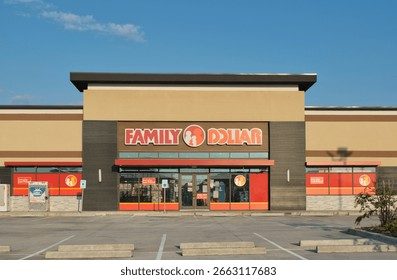
Shoppers at Family Dollar stores have reported for years that the price at the register came out higher than the price on the shelf, in the circular, or in the app. On Nov. 12, the Federal Trade Commission and 17 states put a number on that gap: a proposed $63 million settlement, including $40 million for customer refunds and $20 million in discounts.

The order does more than move money. It requires Family Dollar to charge the lowest advertised price, refund the difference when it does not, post notices at registers, block register price increases until shelf labels are confirmed, and hire an independent assessor to certify the program every year. A federal judge in Virginia must still approve it.

Why it matters

If approved, it makes the shelf price the enforceable price at thousands of dollar stores, with refunds and outside audits instead of one-time fines.

Questions about this story

Free account needed to ask — your question is kept and asked for you right after sign-up. Answers are public.

No questions yet — be the first to ask.

Key Indicators

$63M
Total judgment
The stipulated order states $63,000,011.36 in judgments against Family Dollar.
$40M
Consumer redress fund
Money set aside for payments to eligible customers who were overcharged.
$20M
Discount program
A fixed 15% discount on most goods, offered over two consecutive days.
$3.0M
Payment to states
The portion of the judgment directed to the 17 participating states.
17
States joining the FTC
State attorneys general signed on as co-plaintiffs, according to the FTC.
15%
Discount rate
Applies to current retail prices, excluding alcohol, tobacco and gift cards.

Voices

Curated perspectives — historical figures and your fellow readers.

Sign up to generate historical perspectives on this story.

People Involved

Organizations Involved

Timeline

October 2026 November 2026

2 events Latest: Yesterday

Scenarios

1

Judge enters the Family Dollar order as filed

Likely Resolves by Q1 2027

Discussed by: FTC and state attorneys general, who filed the order as stipulated by both sides

Because Family Dollar agreed to the terms, court approval is the main remaining step. Entry of the order starts the clock: a redress fund within 14 days, a discount program within 90 days, and notices to customers.

2

Dollar General settles on comparable terms

Possible Resolves by End of 2027

Discussed by: The FTC, which filed the Family Dollar order two weeks after suing Dollar General

The FTC's parallel lawsuit against Dollar General alleges the same pattern of register prices above advertised ones. A settlement would extend the pricing-accuracy template to the country's largest dollar chain; continued litigation would leave it unresolved.

3

The $40 million redress fund opens for claims

Likely Resolves by Q3 2027

Discussed by: The proposed order, which requires customer notices in stores and online

The order requires Family Dollar to establish the fund and notify customers of eligibility. How many shoppers file claims, and how quickly they are paid, will determine whether the money reaches the people the FTC says were overcharged.

Historical Context

2 moments from history that rhyme with this story — and how they unfolded.

2016

Volkswagen diesel settlement (2016)

U.S. regulators accused Volkswagen of selling diesel cars with software that detected emissions tests and switched on pollution controls only during testing, while marketing the cars as clean. The Federal Trade Commission joined the case and negotiated consumer relief.

Then

Volkswagen agreed to buy back or modify nearly half a million two-liter cars and set up a consumer fund of roughly $10 billion.

Now

A court-supervised redress fund, rather than a fine alone, became the standard shape of large consumer settlements.

Why this matters now

Family Dollar's order follows the same structure: a fund for affected customers plus binding conduct rules and outside review.

2016

Wells Fargo account scandal (2016)

Bank employees opened deposit and credit accounts customers had not requested in order to meet sales goals. Federal regulators fined the bank and ordered remediation.

Then

Wells Fargo paid more than $185 million in penalties and fired thousands of employees.

Now

Regulators pointed to years of customer complaints as evidence the bank knew about the problem and had not fixed it.

Why this matters now

The Family Dollar complaint makes the same argument: six years of customer reports about app discounts and register prices, and no fix.

Sources

(8)