

Pull to refresh
Logo
FDA clears the first stemless reverse shoulder replacement for the US

FDA clears the first stemless reverse shoulder replacement for the US

New Capabilities

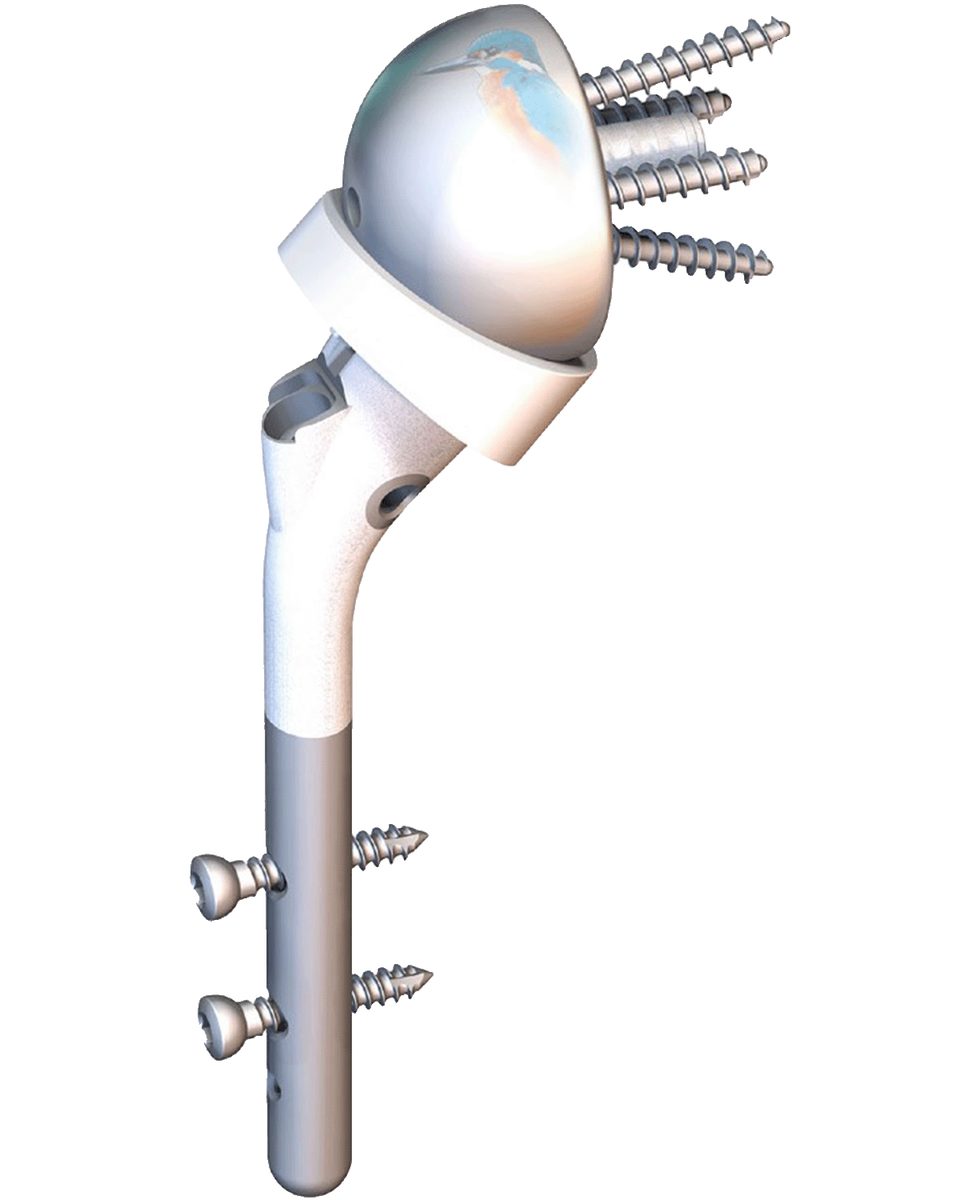
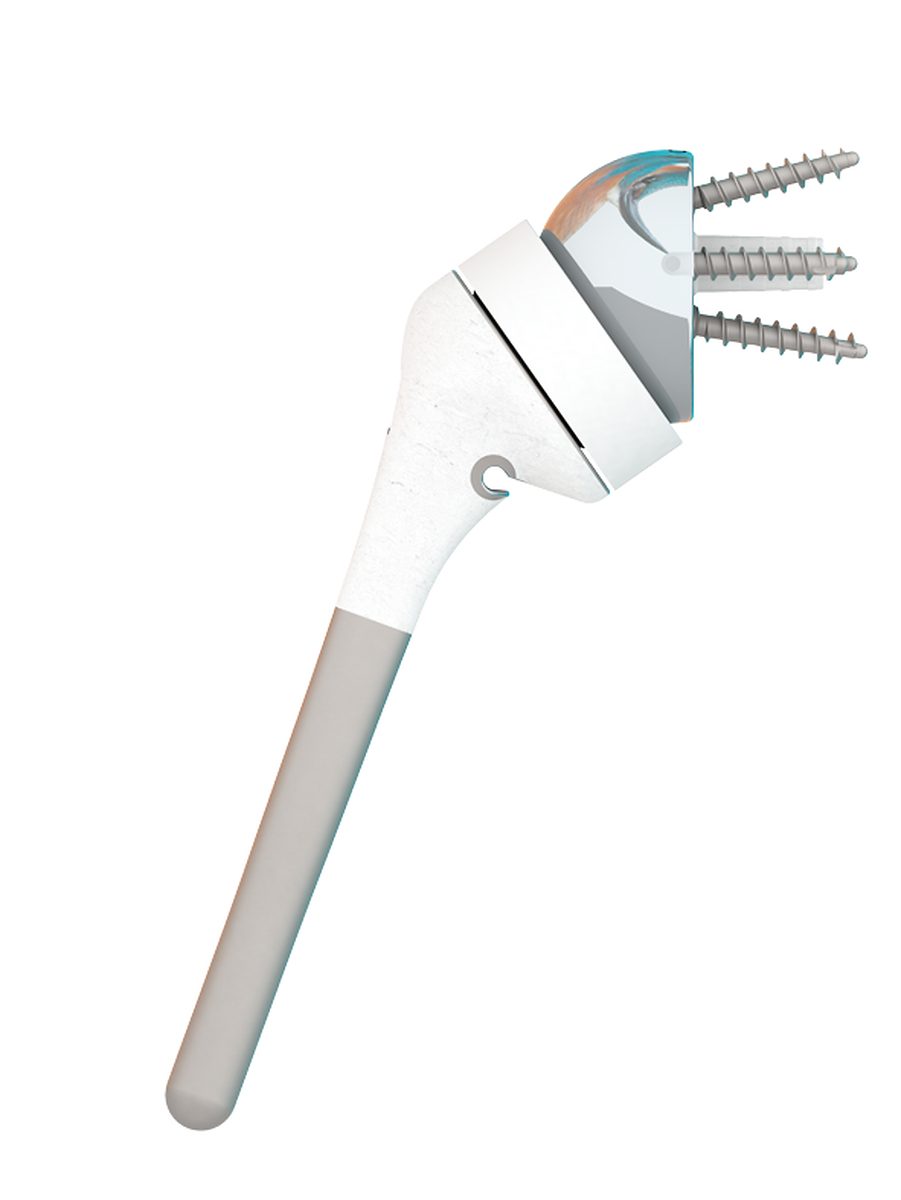
FX Shoulder Solutions' Easytech Reversed anchors to the rim of the humeral head instead of driving a stem down the canal, after an eight-year US clinical study.

Overview

Updated 1 hour ago

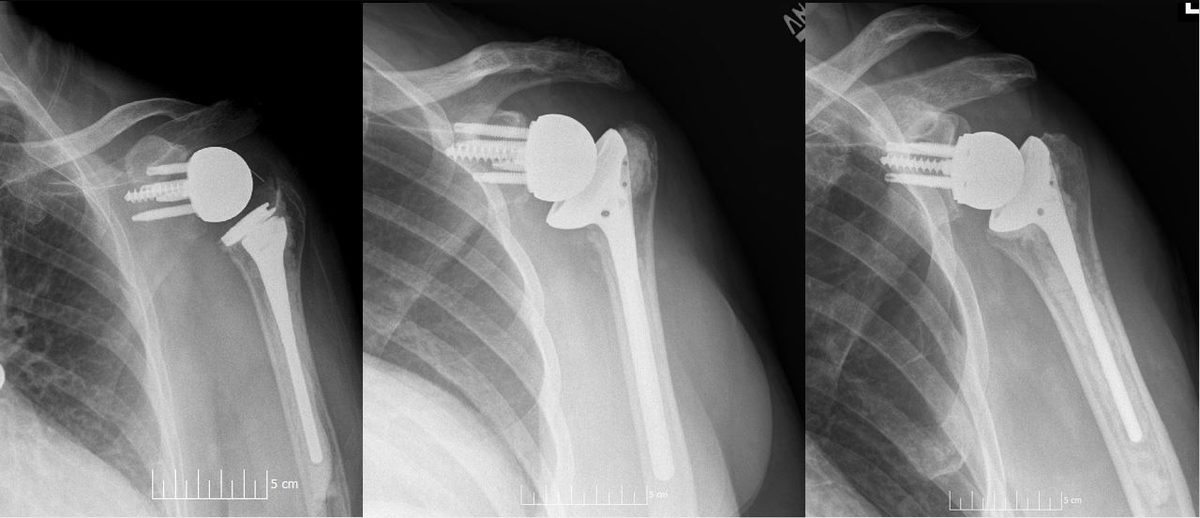
Reverse shoulder replacement has always meant a metal stem driven down the center of the upper arm bone. On November 5, 2026, the Food and Drug Administration cleared the first US system that skips the stem entirely.

FX Shoulder Solutions' Easytech Reversed grips bone at the outer rim of the humeral head instead of inside the canal. It took an eight-year US study, 90 patients and seven sites to get the clearance.

Why it matters

Patients with narrow, malformed or previously operated humeral canals may now get a reverse shoulder replacement without a stem in the bone.

Questions about this story

Free account needed to ask — your question is kept and asked for you right after sign-up. Answers are public.

No questions yet — be the first to ask.

Key Indicators

90
Patients in the US study
Enrolled across seven sites between December 2018 and January 2022.
7
Investigational sites
Multicenter Investigational Device Exemption trial, registered as NCT 03806842.
8
Years from study start to clearance
Study opened in December 2018; FDA clearance came November 5, 2026.
92.3
Adjusted Constant score at 24 months
Up from 42.0 at baseline in the trial's two-year results.
2
Instrument trays
The system is designed to run on two trays instead of a full stemmed set.

Voices

Curated perspectives — historical figures and your fellow readers.

Sign up to generate historical perspectives on this story.

Organizations Involved

Timeline

2015 November 2026

7 events Latest: 4 days ago
Tap a bar to jump to that date
  1. FDA clears Easytech Reversed

    Latest Clearance

    The 510(k) clearance makes it the first stemless reverse shoulder system available in the US.

  2. Twenty-four-month results reported

    Research

    Adjusted Constant scores rose from 42.0 to 92.3; the study logged ten secondary surgeries, seven of them revisions.

  3. Two-year follow-up completed

    Clinical trial

    Study follow-up ends, supplying the evidence package behind the 510(k) submission.

  4. Enrollment closes at 90 patients

    Clinical trial

    Seven sites finish enrolling; FX calls it the first stemless reverse IDE to complete enrollment.

  5. Anatomical version reaches the US market

    Clearance

    Easytech Stemless Anatomical brings the same humeral anchor base architecture to US surgeons.

  6. US study opens under FDA approval

    Clinical trial

    FX starts a seven-site Investigational Device Exemption trial, registered as NCT 03806842.

  7. Easytech Reversed enters clinical use in Europe

    Milestone

    The stemless reverse system begins use outside the US, building the international case history FX later cites.

Scenarios

1

FX discloses first-year US case volume for Easytech Reversed

Possible Resolves by End of 2027

Discussed by: No published forecast; the company's launch messaging is the only public signal.

The clearance is a regulatory milestone, not proof of adoption. If FX announces a US case count or a surgeon training milestone within the first year, it signals the stemless approach is moving beyond a niche. If no number appears, the implant is likely still confined to a handful of high-volume shoulder centers.

2

A second stemless reverse system is cleared in the US

Possible Resolves by End of 2028

Discussed by: No named forecaster; the FDA's 510(k) database is the tracking record.

The 'first and only' claim has a shelf life. Competitors in shoulder arthroplasty have been moving toward shorter humeral fixation, and a rival 510(k) would end the exclusivity that FX is currently marketing. The trigger is any new clearance for a reverse shoulder system without a diaphyseal stem.

3

Published revision data undercut the stemless case

Unlikely Resolves by Q2 2029

Discussed by: The IDE investigators themselves flagged early migration and a revision rate they called similar to stemmed systems.

The trial reported two early implant migration or subsidence incidents and ten secondary surgeries in 90 patients. If independent registry or claims data later show stemless reverse revisions outpacing stemmed comparators, adoption narrows to the atypical-anatomy patients FX already names. If revision rates hold at parity, the addressable group widens.

Historical Context

2 moments from history that rhyme with this story — and how they unfolded.

2021

Easytech Stemless Anatomical reaches the US (2021)

FX brought a stemless anatomical shoulder implant to the US market, anchored to peripheral bone near the cortical rim rather than by a stem in the canal.

Then

US surgeons gained a stemless option in standard anatomical replacement.

Now

The anchor base became the platform FX reused for the reverse version, so part of the US clinical and commercial groundwork already existed.

Why this matters now

The reverse system inherits the anatomical implant's fixation architecture, which is why the clearance is an extension of an existing US product line rather than a new company entering the market.

2015

Easytech Reversed in European clinical use (2015)

The stemless reverse system went into surgical use in Europe, a decade before it reached the US market.

Then

European surgeons accumulated case experience with peripheral fixation in reverse replacement.

Now

That experience formed part of the clinical rationale FX cited when it launched the US Investigational Device Exemption study.

Why this matters now

It explains why an eight-year US study was enough: the underlying design had already been in patients abroad for years before the FDA reviewed it.

Sources

(6)