
Pull to refresh
Logo
Germany raises taxes on cigarettes, sugary drinks and alcohol

Germany raises taxes on cigarettes, sugary drinks and alcohol

Rule Changes

Phased levies aim to raise billions for the federal budget while curbing tobacco, sugar, and alcohol use through 2030

Today: Germany's tax package on cigarettes, sugary drinks, and alcohol is complete

Overview

Updated 1 hour ago

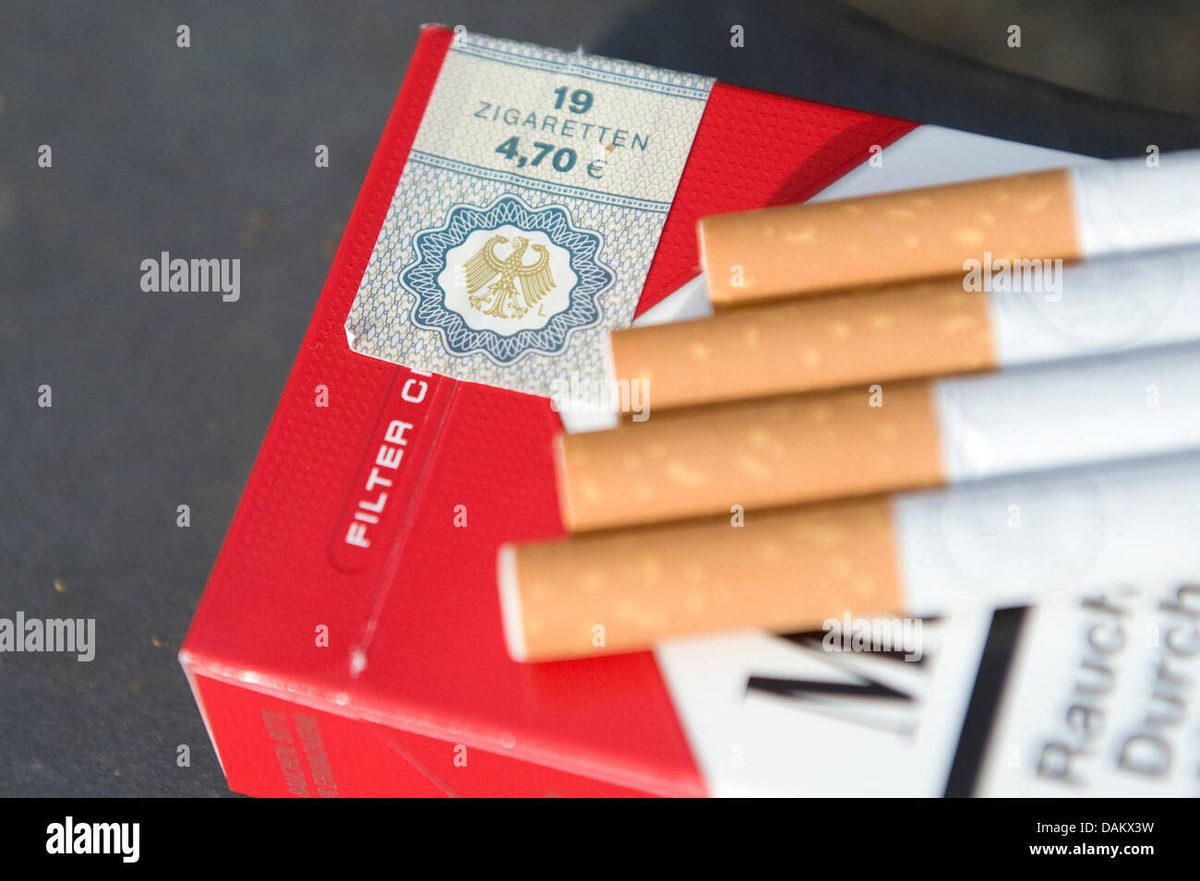
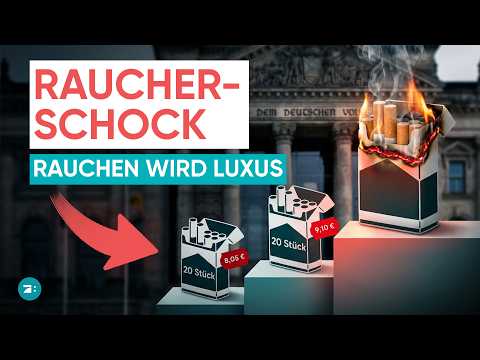
A pack of cigarettes in Germany costs about €8 today. By 2030 it will average more than €11, and brand cigarettes could reach €14. Parliament approved the phased tobacco tax increase Thursday.

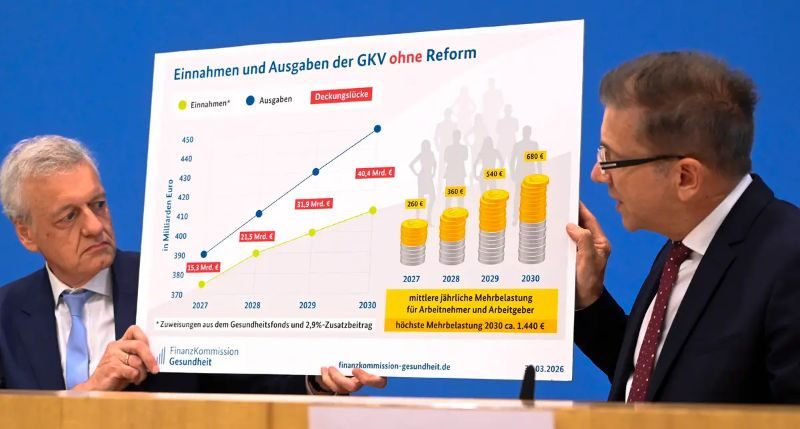
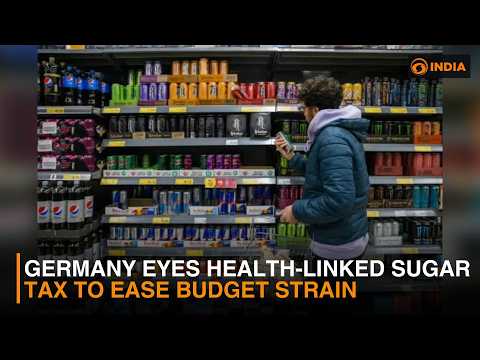
The tobacco levy is one of three changes. A sugar tax on soft drinks takes effect July 2027, and duties on spirits, sparkling wine, and alcopops rise 20% next year. The government projects €12 billion in added tobacco revenue over four years, money that offsets cuts to federal health insurance subsidies.

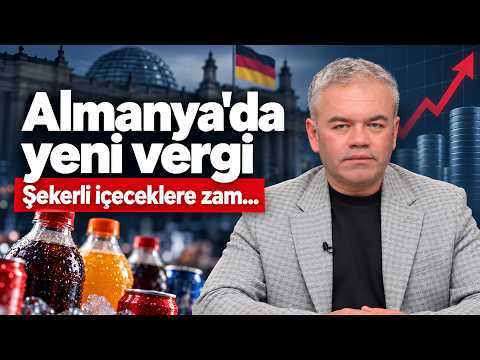
The increases phase in each January from 2027 through 2030. Sugar tax rates start at €0.26 per liter for drinks with 5-8g of sugar per 100ml, rising to €0.32 above that. The levy is expected to raise €690 million in its first year.

Why it matters

German consumers pay more for cigarettes, soda, and spirits—revenue that shifts health costs off the federal budget, a model other European governments are copying.

Questions about this story

Free account needed to ask — your question is kept and asked for you right after sign-up. Answers are public.

No questions yet — be the first to ask.

Key Indicators

€12B
Projected tobacco tax revenue, 2027-2030
Additional federal revenue from phased cigarette tax increases.
€8 → €11+
Average cigarette pack price trajectory
From about €8 today to €11.36 by 2030; brands could reach €14.
€0.26 / €0.32 per liter
Sugar tax rates on soft drinks
Two-tier levy above 5g and 8g of sugar per 100ml, from July 2027.
€690M
Projected sugar tax revenue, 2027
Rising to €925 million in 2028, per the finance ministry.

Voices

Curated perspectives — historical figures and your fellow readers.

Ever wondered what historical figures would say about today's headlines?

Sign up to generate historical perspectives on this story.

People Involved

Organizations Involved

Timeline

October 2026 July 2027

6 events Latest: Today
Tap a bar to jump to that date
  1. Sugar tax on soft drinks takes effect

    Upcoming Implementation

    Two-tier levy applies to sugar-sweetened beverages. Small producers under 70,000 liters a year are exempt.

  2. First tobacco tax increase takes effect

    Upcoming Implementation

    Average pack price rises from about €8 to roughly €9, with further steps each January through 2030.

  3. Alcohol duties rise 20%

    Upcoming Implementation

    Spirits, sparkling wine, and alcopops face higher duties. Beer and still wine are exempt.

  4. Germany's tax package on cigarettes, sugary drinks, and alcohol is complete

    Today Policy

    With the tobacco increase passed and the sugar tax approved, the full package is set. Duties on spirits, sparkling wine, and alcopops rise 20% from 2027; beer and still wine are untouched.

  5. Bundestag passes tobacco tax increase

    Legislation

    With coalition votes, the Bundestag approved phased cigarette tax increases through 2030. The measure projects €12 billion in additional revenue.

  6. Cabinet approves sugar tax on soft drinks

    Policy

    The Federal Cabinet approved a two-tier excise tax on sugar-sweetened beverages, to take effect July 2027. Drinks with 5-8g sugar per 100ml face €0.26 per liter; 8g+ face €0.32.

Scenarios

1

Tobacco tax delivers projected €12 billion through 2030

Likely Resolves by Mar 1, 2028

Discussed by: German Federal Finance Ministry

The phased increases take effect as scheduled, and revenues track projections: about €1.5 billion in additional tobacco tax in 2027, growing to €4.5 billion by 2030. The sugar tax adds €690 million in its first year. This is the government's own forecast.

2

Black market and cross-border shopping erode tobacco tax revenue

Possible Resolves by Mar 1, 2028

Discussed by: German tobacco industry, some CDU lawmakers

The industry warns that higher taxes drive smokers to the black market or cheaper cigarettes in neighboring EU countries, undercutting revenue projections and hurting legal retailers. Some CDU members voiced sympathy for these concerns during debate.

3

EU state aid review delays sugar tax for small producers

Uncertain Resolves by Jun 1, 2027

Discussed by: European Commission, German Finance Ministry

The sugar tax exempts producers under 1 million liters a year, but that exemption needs European Commission approval under state aid rules. A delay or rejection would force Germany to redesign the levy before its July 2027 start. The Finance Ministry noted this condition when it released the proposal.

Historical Context

2 moments from history that rhyme with this story — and how they unfolded.

April 2018

UK Soft Drinks Industry Levy (2018)

Britain introduced a two-tier tax on sugary soft drinks in 2018, with a lower rate for drinks containing moderate sugar and a higher rate above a threshold. The structure closely matches what Germany just approved.

Then

Soft-drink manufacturers reformulated many brands to cut sugar below the taxable threshold, and sugar consumed through soft drinks fell.

Now

The UK levy became the reference point for other governments designing sugar taxes. Britain is now tightening its levy by lowering the threshold and expanding its scope.

Why this matters now

Germany's two-tier sugar tax, with the same 5g and 8g per 100ml thresholds, follows the UK model and joins a widening European trend.

Through 2027

France's cigarette tax escalation toward €13 (ongoing through 2027)

France has steadily raised tobacco taxes for years and aims to push the price of a pack to about €13 by 2027. Ireland and the Netherlands also tax cigarettes more heavily than Germany.

Then

French cigarette prices now sit among the highest in Europe.

Now

Germany's rise to an €11 average by 2030 keeps it below the European leaders, suggesting room for further increases in the same pattern.

Why this matters now

Germany's tax package joins that European pattern of gradual tobacco price escalation, with France as the aggressive leader.

Sources

(7)