
Pull to refresh
Logo
Germany adopts roadmap to phase out fossil fuels by 2045

Germany adopts roadmap to phase out fossil fuels by 2045

Rule Changes

Cabinet approves first explicit promise to transition away from coal, oil, and gas

Today: Cabinet approves fossil fuel phase-out roadmap

Overview

Updated 2 hours ago

Germany's cabinet approved a roadmap on September 23 that commits the country to ending fossil fuel use entirely by 2045. Earlier targets only promised carbon neutrality; the new plan explicitly pledges to "transition away" from coal, oil, and gas, presented on the sidelines of the UN General Assembly in New York.

The roadmap lifts renewable electricity from 55% to 80% of the grid by 2030, explores moving the coal shutdown from 2038 to 2035, and sets aside €2.8 billion to subsidize electric vehicles for lower- and middle-income households. Germany spent €76 billion importing fossil fuels in 2024; Environment Minister Carsten Schneider wants that money flowing into domestic energy projects instead.

Why it matters

Germany is Europe's largest economy and biggest emitter; its fossil fuel phase-out sets the pace and price for the EU's entire industrial transition.

Questions about this story

Free account needed to ask — your question is kept and asked for you right after sign-up. Answers are public.

No questions yet — be the first to ask.

Key Indicators

2045
Fossil fuel phase-out target year
First economy-wide commitment to end all fossil fuel use, replacing earlier carbon-neutrality pledges.
80%
Renewable share of electricity by 2030
Up from 55% in 2025, backed by 12GW of new onshore wind and 215GW of solar capacity.
€76B
Fossil fuel import costs in 2024
Roughly two-thirds on oil, with 98% of Germany's oil and 95% of its gas imported from abroad.
30%
Methane cut pledged by 2030
Ties to the Global Methane Pledge Germany signed in 2021; methane is roughly 80 times more potent than CO2.
2035–2038
Coal exit window
2038 is set in law since 2020; the roadmap explores bringing the deadline forward to 2035.

Voices

Curated perspectives — historical figures and your fellow readers.

Ever wondered what historical figures would say about today's headlines?

Sign up to generate historical perspectives on this story.

People Involved

Organizations Involved

Timeline

July 2020 September 2026

3 events Latest: Today
  1. Cabinet approves fossil fuel phase-out roadmap

    Today Policy Announcement

    Germany commits for the first time to ending fossil fuel use by 2045, presented at the UN General Assembly.

  2. Germany signs Global Methane Pledge

    Treaty

    Germany commits to cutting methane emissions 30% by 2030, a pledge now embedded in the roadmap.

  3. Germany passes Coal Exit Act

    Legislation

    Parliament sets a binding deadline to shut all coal-fired power plants by 2038 at the latest.

Scenarios

1

Germany brings coal phase-out forward to 2035

Possible Resolves by End of 2027

Discussed by: Climate Home News and Guardian reporting on the roadmap's exploration of an earlier coal exit

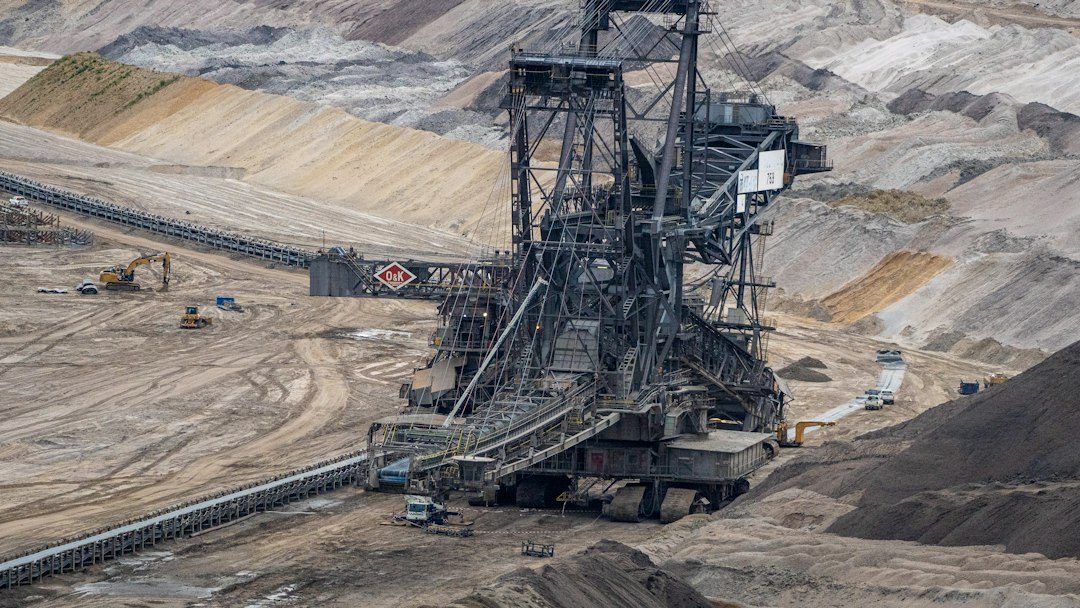
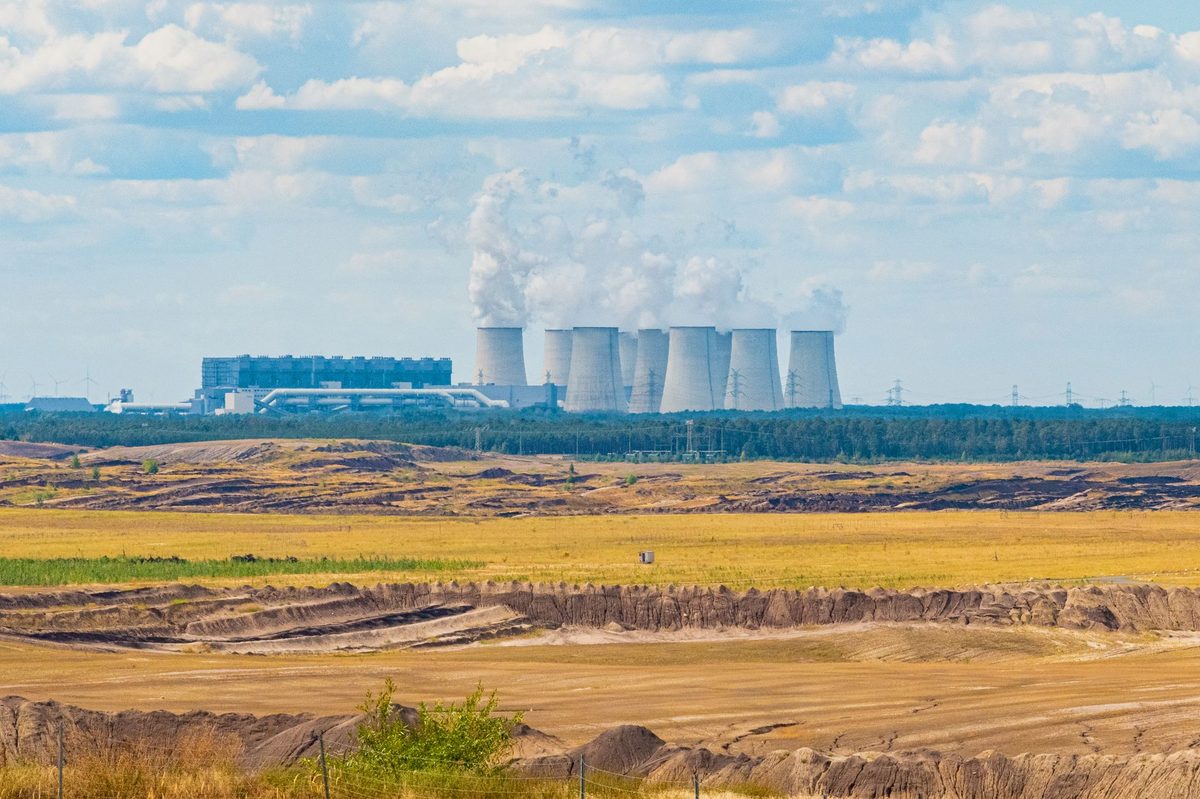
The roadmap says Berlin is examining whether to move the coal shutdown from 2038 to 2035. Confirming that requires amending the 2020 Coal Exit Act, a change that would demand replacing roughly a quarter of Germany's electricity generation within about a decade. Analysts see batteries, 2,000 additional wind turbines, and hydrogen-ready gas plants as the bridge. The political risk: post-2027 coalition talks could stall the amendment.

2

Germany enshrines the 2045 phase-out in binding law

Possible Resolves by Q2 2028

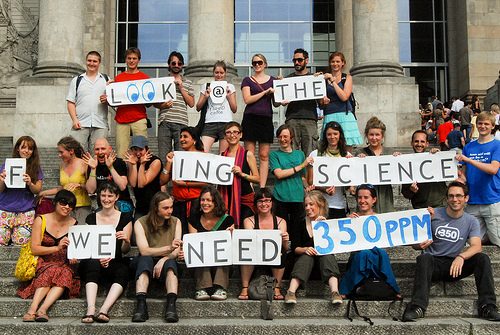
Discussed by: Climate campaign groups including 350.org and WWF

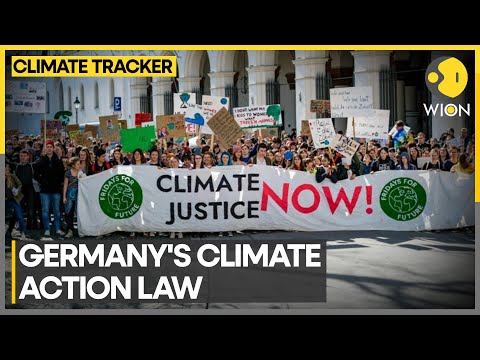
The roadmap is a non-binding framework; campaigners want its sectoral targets written into law with enforceable dates for electricity, transport, heating, and industry. Passing such legislation would require a coalition agreement after the 2027 federal election, given the fierce debate over green policy. If enacted, Germany would become the first G7 economy with a legally binding, economy-wide fossil fuel exit date.

3

Post-election government weakens Germany's 2045 pledge

Possible Resolves by End of 2028

Discussed by: WWF climate adviser Fentje Jacobsen; Oil Change International's Laurie Van Der Burg

A new coalition after the 2027 federal election could revise the targets. Energy Minister Katherina Reiche already favors building more gas-fired plants for grid stability, and WWF warns the government plans to "rely less on renewables and more on gas." If the Climate Protection Act is amended to extend the 2045 deadline or soften sectoral mandates, the roadmap loses its force. Campaigners argue Germany's import dependence and emissions record make that retreat politically costly.

Historical Context

3 moments from history that rhyme with this story — and how they unfolded.

March 2011 – April 2023

Germany's Energiewende (2011)

After the Fukushima nuclear disaster, Chancellor Angela Merkel's government ordered Germany's exit from nuclear power, shutting eight reactors immediately and setting 2022 as the end date for the rest. Renewables were expected to fill the gap.

Then

Nuclear generation hit zero in April 2023, but coal and gas filled much of the gap in the interim decade, raising emissions before renewables scaled up.

Now

The episode left Germany with a politically fragile transition model: legally binding exit dates that successive governments stretched, reshaped, and defended. The 2045 fossil fuel roadmap applies the same binding-deadline logic to coal, oil, and gas.

Why this matters now

Germany's nuclear exit shows both the force and the fragility of legally fixed energy exit dates. The 2045 phase-out faces the same test: will later governments keep the dates or move them?

November 2015 – September 2024

UK coal phase-out (2015–2024)

In November 2015, UK Energy Secretary Amber Rudd announced the country would close all coal-fired power plants within a decade. The policy accompanied a rapid build-out of gas and renewables to replace coal's share of the grid.

Then

Coal fell from roughly 40% of UK electricity in 2012 to under 2% by 2019 as plants closed or switched to biomass.

Now

In September 2024, Britain's last coal plant closed, making the UK the first G7 country to end coal-fired power generation entirely.

Why this matters now

Shows an announced coal exit can be achieved faster than scheduled, supporting Germany's option to pull its own coal deadline forward from 2038 to 2035.

2025–2026

France and the Netherlands publish phase-out roadmaps

France became the first European country to publish a national fossil fuel phase-out plan, setting end dates of coal by 2030, oil by 2045, and gas by 2050. The Netherlands followed with a looser plan that aims to "minimise" fossil fuel use by 2050 without binding dates.

Then

Both plans mostly assembled existing policies into a single timeline, rather than adding new measures.

Now

Germany's roadmap makes it the third European country to publish a phase-out document, though its explicit economy-wide "transition away" pledge goes further than either neighbor's.

Why this matters now

The three European plans form the first test case for the UN Secretary-General's call for all countries to publish credible fossil fuel exit timelines.

Sources

(10)