
Pull to refresh
Logo
Global multidimensional poverty rises for first time since 2010

Global multidimensional poverty rises for first time since 2010

Money Moves

UNDP and Oxford report counts 1.2 billion people in multidimensional poverty, up 51.5 million from the prior update

Yesterday: First global rise since 2010

Overview

Updated Yesterday

For the first time since the index launched in 2010, the number of people living in multidimensional poverty has risen. The 2026 update of the global Multidimensional Poverty Index (MPI) counts 1.2 billion people as poor, 51.5 million more than the previous update.

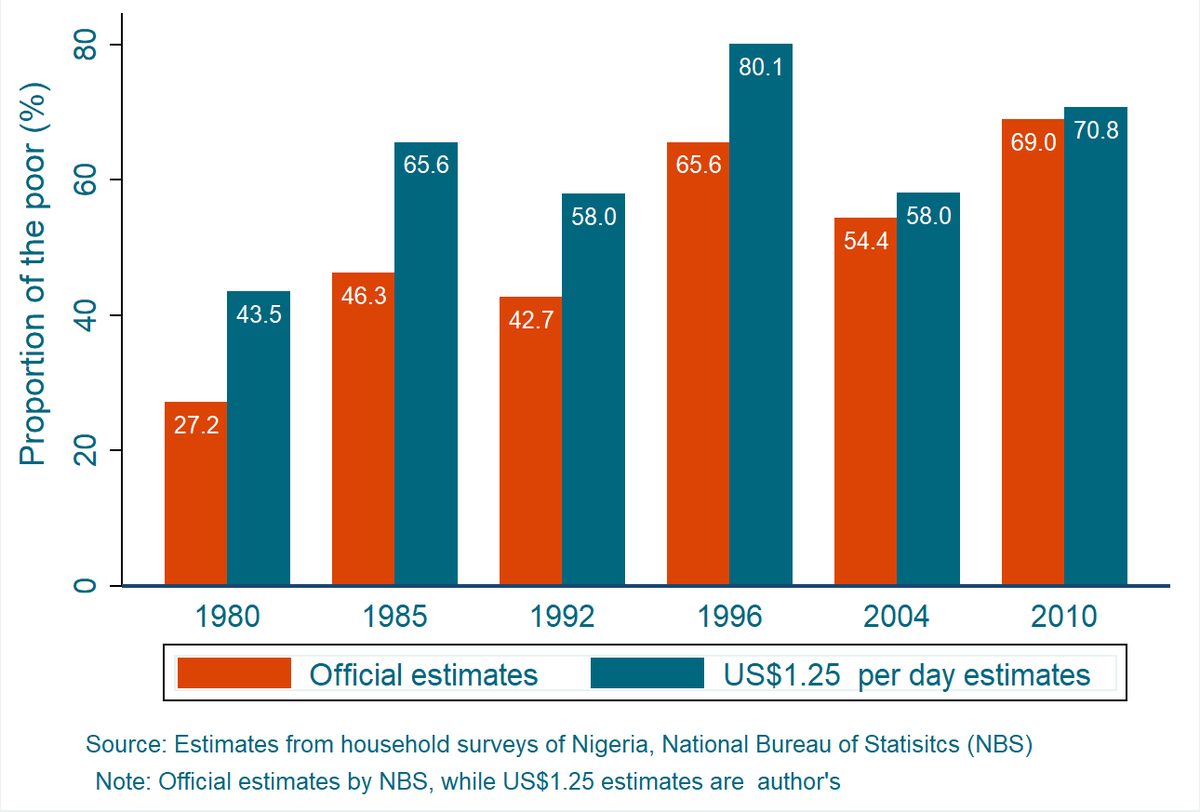
The rise breaks a 15-year trend of steady decline. Population growth accounts for 15.8 million of the increase; the rest reflects genuine reversals, most notably in Nigeria, where 17.9 million people fell into poverty between 2021 and 2024 after a decade of progress.

Why it matters

If the reversal holds, the UN's 2030 goal of halving poverty in all its forms slips further out of reach for more than a billion people.

Questions about this story

Free account needed to ask — your question is kept and asked for you right after sign-up. Answers are public.

No questions yet — be the first to ask.

Key Indicators

1.2 billion
People in multidimensional poverty
Deprived in at least one-third of the MPI's ten weighted indicators across health, education, and living standards.
51.5 million
Increase from prior update
First rise since the index launched in 2010; 15.8 million from population growth alone.
18.9%
Share of population in poverty
Of the 6.3 billion people in the 108 countries covered by the 2026 update.
534 million
Severely poor
Deprived in half or more of the MPI's weighted indicators, 44.6% of all poor people.

Voices

Curated perspectives — historical figures and your fellow readers.

Ever wondered what historical figures would say about today's headlines?

Sign up to generate historical perspectives on this story.

People Involved

Organizations Involved

Timeline

2010 October 2026

5 events Latest: Yesterday
Tap a bar to jump to that date
  1. First global rise since 2010

    Latest Publication

    The 2026 MPI update counts 1.2 billion people in poverty, up 51.5 million from the prior update.

  2. Nigeria's progress reverses

    Data

    17.9 million Nigerians become multidimensionally poor between 2021 and 2024, reversing a decade of gains.

  3. Eswatini cuts poverty sharply

    Data

    Poverty rate falls from 38.7% to 8.0% over 15 years, among the strongest reductions recorded.

  4. China halves MPI in four years

    Data

    China's poverty rate falls from 9.5% to 4.2% between 2010 and 2014, the fastest reduction recorded.

  5. Global MPI launched

    Publication

    UNDP and OPHI publish the first global Multidimensional Poverty Index, measuring poverty beyond income.

Scenarios

1

Global poverty count rises again in 2027

Likely Resolves by End of 2027

Discussed by: UNDP and OPHI report authors

Population growth in the 95 countries without new surveys adds roughly 16 million poor people per year even before accounting for new reversals. If Nigeria's deterioration continues and no major country accelerates progress, the next update will show the count climbing further.

2

Poverty reduction resumes

Possible Resolves by End of 2027

Discussed by: UNDP, which notes 33 of 89 countries with trend data halved their MPI in under 15 years

Egypt, Nepal, and Tajikistan cut both poverty rates and headcounts in their latest surveys. If more countries follow and Nigeria stabilizes, the count could fall despite population growth.

3

Nigeria's reversal deepens

Possible Resolves by End of 2027

Discussed by: The 2026 report, which flags Nigeria as the largest single contributor to the global increase

Nigeria added 17.9 million poor people between 2021 and 2024 after reducing poverty through the 2010s. A further deterioration in its next survey would cement the reversal and keep pushing the global count up.

Historical Context

2 moments from history that rhyme with this story — and how they unfolded.

2020

COVID-19 extreme poverty surge (2020)

The World Bank estimated the pandemic pushed roughly 100 million people into extreme poverty, the first rise in global extreme poverty in two decades. Lockdowns and economic shutdowns hit the poorest hardest.

Then

Extreme poverty rose to about 9% of the global population in 2020.

Now

The pandemic set back poverty reduction by several years, and recovery has been uneven.

Why this matters now

Like the 2020 extreme poverty rise, the 2026 MPI increase shows how a global shock can reverse years of progress.

2008-2009

2008 global financial crisis

The financial crisis slowed global growth sharply and pushed tens of millions of people into poverty, particularly in developing economies dependent on trade and remittances.

Then

Poverty reduction slowed or stalled in many countries for several years.

Now

Most countries recovered by the mid-2010s, but the crisis showed how quickly gains can erode.

Why this matters now

The 2008 crisis demonstrated that economic shocks can undo years of poverty reduction, a pattern the 2026 MPI data now shows repeating in Nigeria.

Sources

(10)