


Industrial Revolution (1760-1840)
Beginning in Britain, mechanized manufacturing and the factory system replaced agricultural and artisanal economies. Steam power, textile mills, and later railways transformed how goods were produced. GDP per capita in Britain roughly doubled between 1760 and 1860.
Living standards for workers initially declined or stagnated, with harsh factory conditions and urban poverty. Real improvements for the working class didn't materialize until after 1820-1830.
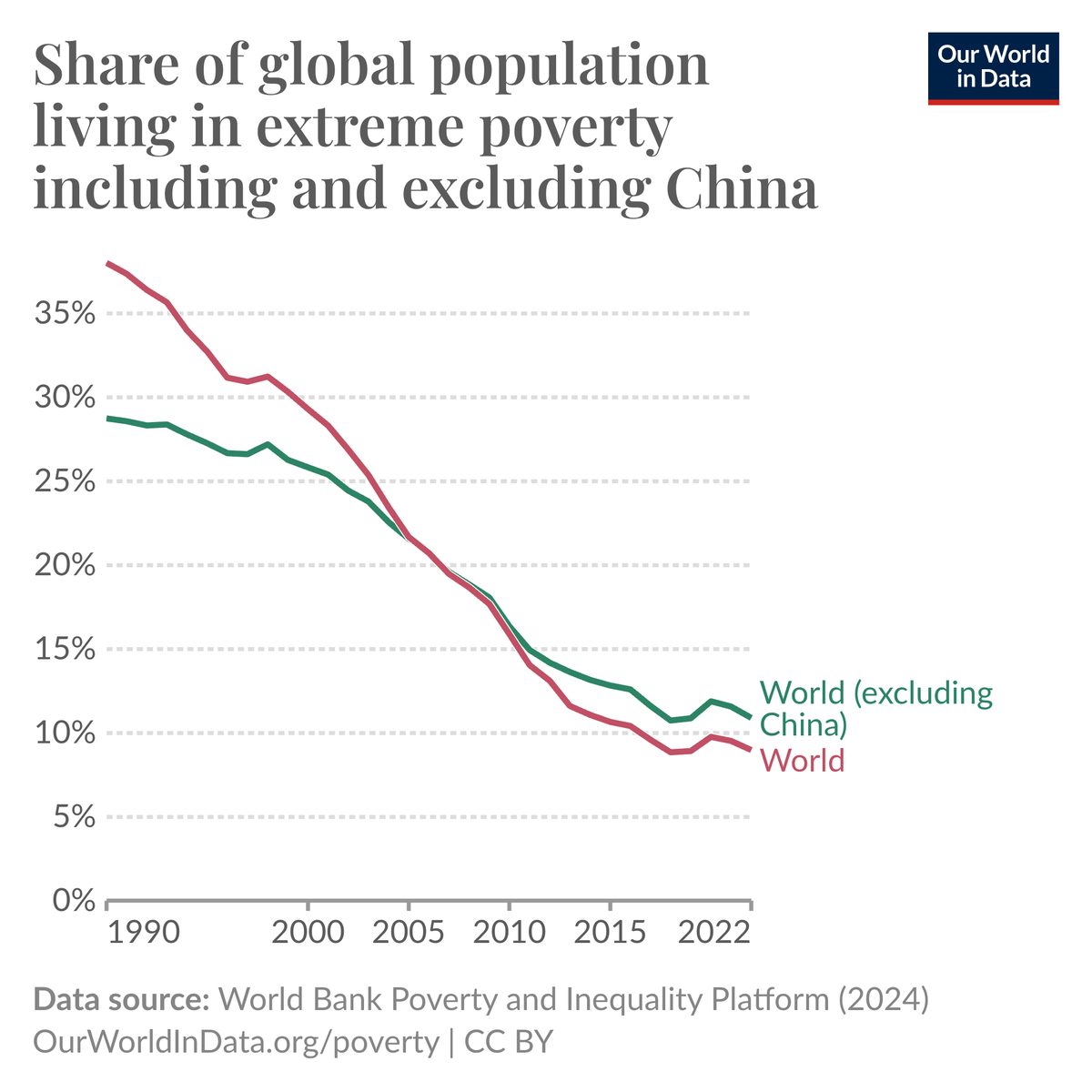
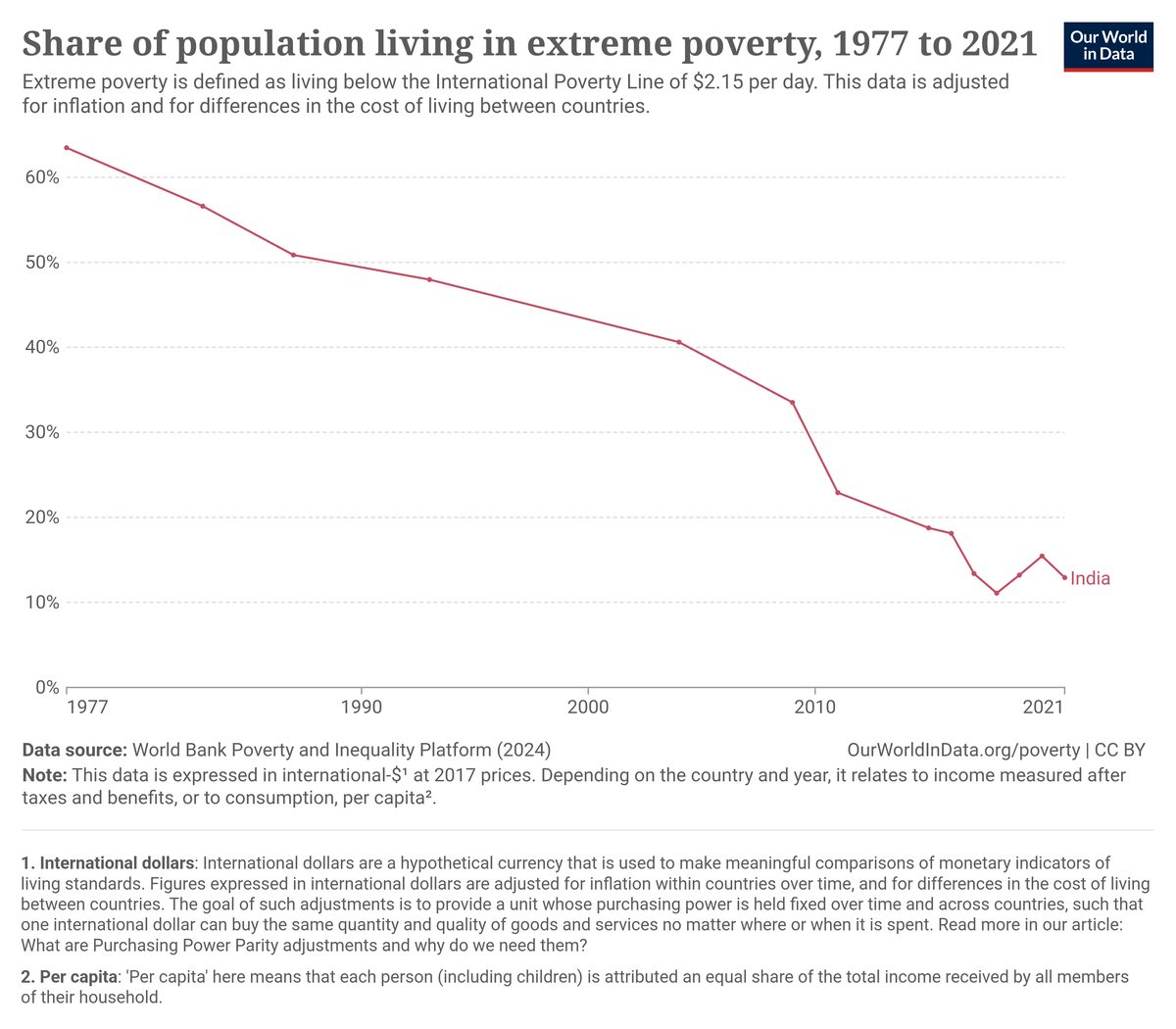
Created the economic model that eventually lifted billions from poverty. Industrialized nations achieved sustained growth that spread—with significant delays—to the rest of the world.
The Industrial Revolution marked the inflection point after which poverty began its long decline. The pattern—technology enables productivity gains that eventually raise living standards—repeated with the Green Revolution and China's market reforms.