

New here? Follow stories to track developments over time. Create a free account to get updates when stories you care about change.
Overview
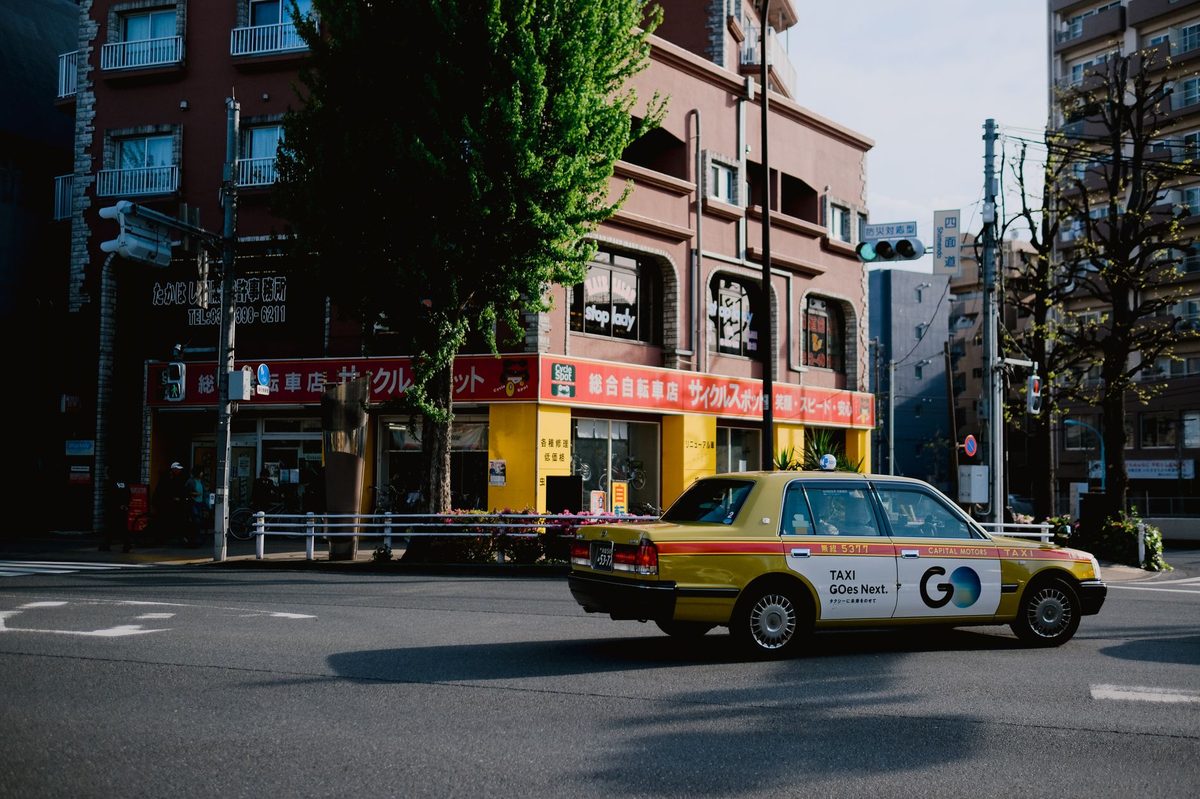
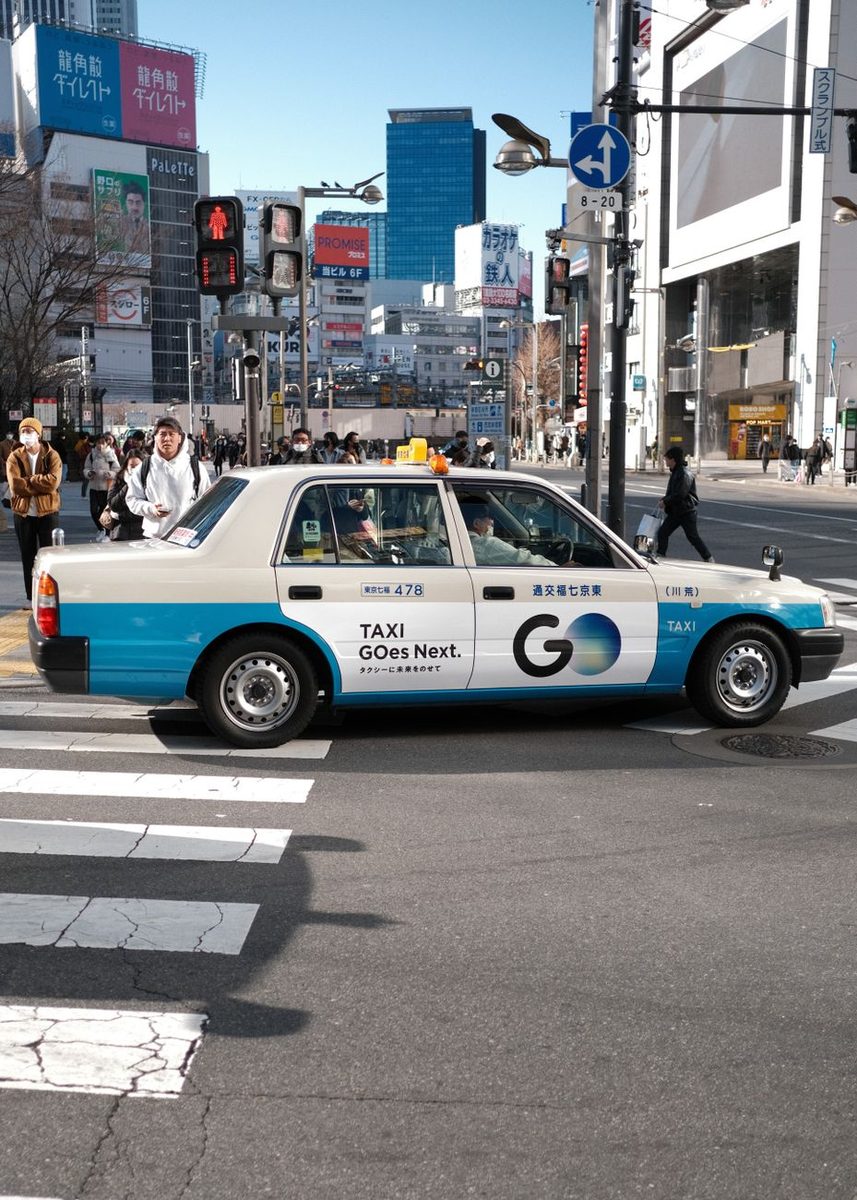
Go Inc. runs the most-used taxi app in Japan. On June 16, 2026, it sold shares to the public for the first time and raised about 88.6 billion yen, roughly $552 million. Shares jumped as much as 23% on day one.
It was Japan's largest initial public offering of the year, and the money has a clear target: self-driving taxis. Japan has been slow on both ride-hailing and robotaxis. Go now has cash to try to close that gap.
Why it matters
Japan's biggest taxi app just raised cash to chase driverless cars, in a country that lagged the US and China on both.
Questions about this story
No questions yet — be the first to ask.
Key Indicators
Voices
Curated perspectives — historical figures and your fellow readers.
Play
Exploring all sides of a story is often best achieved with Play.
Higher or Lower
A number from this story, against one from elsewhere in the news — guess which is bigger, then keep the chain going. 5 rounds, 3 strikes; a miss costs a strike and resets your streak.
Keyboard: ↓/L lower · ↑/H higher
0 points — sign up to put that on the leaderboard.
Timeline
Order five events from this story, oldest at top. Each in the right slot scores 1 — neighbours within one slot count too. Your previous result — green ✓ for exact slots, yellow ~ for off by one. Cards now in true chronological order.
Sign up to save your score and track a streak across stories.
Connections
Sixteen names from the news. Find the four hidden groups of four. Four mistakes max.
Sign up to keep a daily streak — a new puzzle lands every day.
Exit debate?
Your progress in this debate will be lost.
- 1 Two AI personas square off on this story.
- 2 You predict who'll win each round — correct picks earn XP.
- 3 One crossfire question is yours to fire. Pick it carefully.
Couldn't generate a topic
Select Your Champions
Choose one persona for each side of the debate
DEBATE TOPIC
Choose personas with different perspectives for a more dynamic debate.
Select debater for this side:
No debate personas available right now.
Select debater for this side:
No debate personas available right now.
Who's Got This Round?
Make your prediction before the referee scores
The referee scores both sides on
Round Results
Set the Crossfire
Pick the question both personas must answer in the final round
Debate Oracle! You called every round!
Sharp Instincts! You know your debaters!
The Coin Flip Strategist! Perfectly balanced!
The Contrarian! Bold predictions!
Inverse Genius! Try betting the opposite next time!
XP Breakdown
Prediction History
People Involved
Organizations Involved
Go runs Japan's most-used taxi-hailing app, linking riders to about 100,000 cabs operated by local taxi firms.
Waymo runs paid driverless taxi services in several US cities and is testing its technology in Tokyo with local partners.
Goldman Sachs led an early funding round in Go and helped take the company public.
Timeline
August 1977 June 2026
-
Go debuts on the Tokyo Stock Exchange
Latest FinancialShares jump as much as 23% on the first day. The IPO raised about 88.6 billion yen, Japan's biggest of 2026.
-
Go prices its IPO at the top of the range
FinancialShares price at 2,400 yen each, the top of the 2,350-to-2,400 range, after demand topped 25 times supply.
-
Waymo cars start driving in Tokyo
MilestoneWaymo vehicles begin moving on Tokyo public roads under the partnership, an early step toward driverless service.
-
Go, Waymo and Nihon Kotsu team up
PartnershipThe three announce a plan to test Waymo's self-driving system on Tokyo streets, with Nihon Kotsu running the cars.
-
Japan partly lifts its ride-hailing ban
RegulationTaxi firms may now dispatch some private drivers, but only under their management and only where cabs are short.
-
Goldman Sachs leads a 10 billion yen round
FundingGoldman Sachs leads a Series D investment in Go, becoming a notable shareholder ahead of any public listing.
-
The taxi business behind Go is founded
BackgroundThe company that becomes Go starts as a taxi operator, later renamed JapanTaxi and then Mobility Technologies.
Historical Context
3 moments from history that rhyme with this story — and how they unfolded.
Uber's IPO (2019)
Uber went public in New York at a $82 billion valuation, with self-driving cars central to its growth pitch. Shares fell below the IPO price on the first day and stayed there for years.
Investors questioned whether ride-hailing could turn a profit, and the stock languished.
Uber later sold its self-driving unit and only reached steady profits years after listing.
Go is selling a similar story: an app today, robotaxis tomorrow. Uber shows how far the driverless payoff can drift from the IPO date.
Waymo's first paid robotaxi service (2020)
Waymo opened a fully driverless taxi service to the public in part of Phoenix, Arizona. It was the first such service in the US, but it stayed small and grew slowly.
Waymo proved driverless rides could carry paying passengers safely in a limited area.
It took years to expand to San Francisco and other cities, one neighborhood at a time.
Waymo is Go's Tokyo partner. Its careful, city-by-city pace is a guide to how quickly Go's own robotaxi service might actually scale.
Cruise loses its California permits (2023)
California regulators suspended driverless permits for Cruise, General Motors' robotaxi unit, after one of its cars dragged a pedestrian. Cruise pulled its fleet nationwide and cut staff.
Cruise halted operations and its leadership was reshaped.
GM later pulled back from the robotaxi business, a costly retreat after heavy spending.
It shows the regulatory and safety risk in Go's bet. A single serious incident can stop a robotaxi program, no matter how much cash backs it.
