

Pull to refresh
Logo
Daily Brief
Following
Why Ranks Sign Up
Google merges Android and ChromeOS, expands Gemini at I/O 2026

Google merges Android and ChromeOS, expands Gemini at I/O 2026

New Capabilities

Aluminium OS, a desktop AI agent, and XR smart glasses headline the Mountain View keynote

5 days ago: I/O 2026: Gemini agent, Android XR glasses, Aluminium OS

Overview

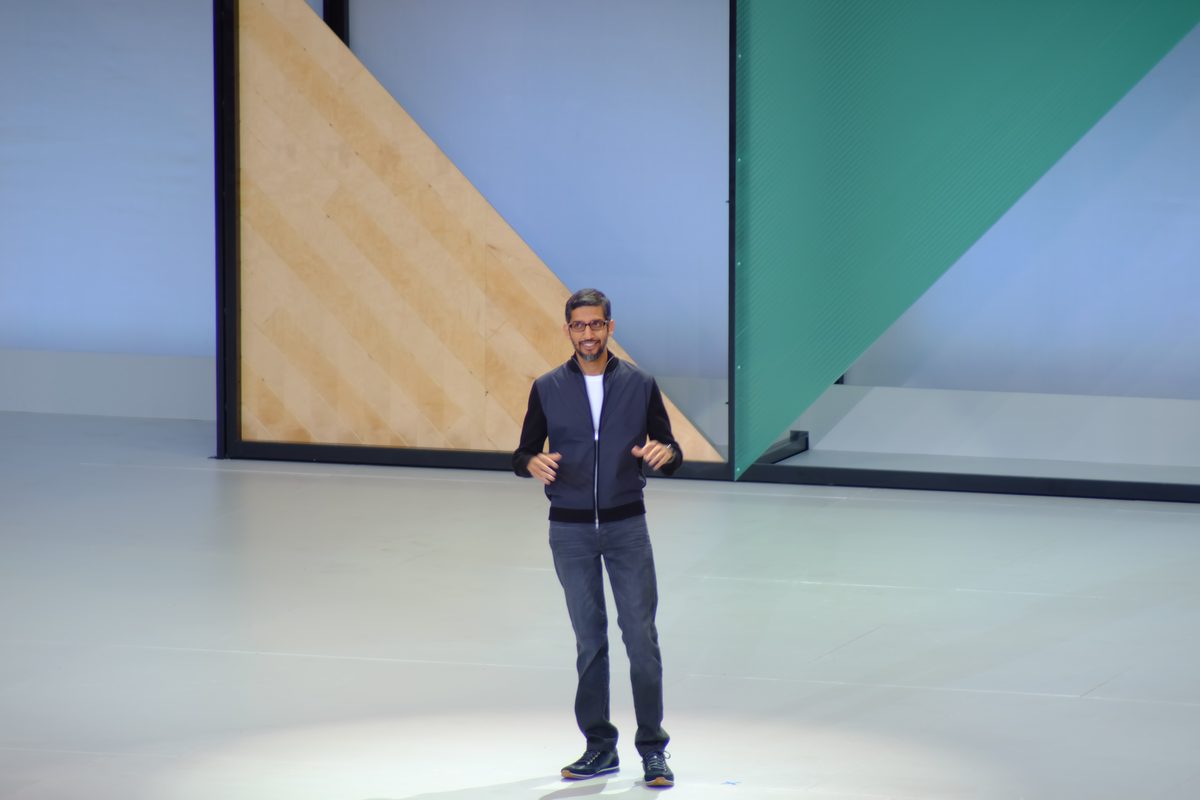
Sundar Pichai opened Google I/O 2026 with a Gemini model that can run a user's desktop. The keynote unveiled Android XR smart glasses too. Aluminium OS, a laptop platform merging Android and ChromeOS, will ship as 'Googlebooks' from Acer, ASUS, Dell, HP, and Lenovo.

Google is now shipping the operating system, the AI, the glasses, and the laptop. The vertical stack puts Gemini at the center of every device. It also sets up direct fights on two fronts: with OpenAI and Anthropic on agentic artificial intelligence, and with Apple and Meta on consumer extended reality (XR) hardware.

Why it matters

If Gemini's desktop agent works, Google sells you the laptop, the glasses, and the AI that operates both. That's Apple's playbook with Google's data.

Key Indicators

5
OEM partners for Aluminium OS
Acer, ASUS, Dell, HP, and Lenovo all committed to Googlebook hardware.
4
Direct rivals named in the roadmap
OpenAI and Anthropic on agentic AI; Apple and Meta on consumer XR.
13 years
Since Google Glass debut
Google's first consumer smart glasses launched in 2013 and were pulled in 2015.

Voices

Curated perspectives — historical figures and your fellow readers.

Ever wondered what historical figures would say about today's headlines?

Sign up to generate historical perspectives on this story.

Play

Exploring all sides of a story is often best achieved with Play.

Log in to play. Track your picks, climb the leaderboards. Log in Sign Up
Predict 4 ways this could play out. Contrarian picks score more — points lock when the scenario resolves. Log in to play
Higher or Lower Two numbers from this story. Guess which is bigger. 5 rounds to set a streak. Log in to play
Timeline Five events from this story — drag them oldest to newest. Log in to play
Connections Sixteen names from the news. Find the four hidden groups of four. Log in to play

People Involved

Organizations Involved

Timeline

November 2022 May 2026

8 events Latest: 5 days ago
Tap a bar to jump to that date
  1. I/O 2026: Gemini agent, Android XR glasses, Aluminium OS

    Latest Product Launch

    Google opens I/O 2026 with a Gemini desktop agent, Android XR consumer glasses through hardware partners, and Aluminium OS, a merged Android-ChromeOS laptop platform shipping as Googlebooks from Acer, ASUS, Dell, HP, and Lenovo.

  2. Android XR developer preview at I/O 2025

    Roadmap

    Google releases Android XR developer hardware and SDK, signaling a return to smart glasses a decade after Google Glass.

  3. Gemini 2.0 ships with agentic features

    Product Launch

    Google releases Gemini 2.0 with native tool use, marking its first real answer to OpenAI and Anthropic agent products.

  4. Project Astra previewed at I/O 2024

    Roadmap

    Google previews Project Astra, an early multimodal agent that reads a camera feed and answers in real time. The first public agentic milestone for Gemini.

  5. Gemini 1.0 launches

    Product Launch

    Google launches Gemini 1.0 family, rebranding Bard and consolidating its AI strategy under one model name.

  6. Google merges Brain and DeepMind

    Reorganization

    Pichai concentrates AI research under Demis Hassabis to accelerate Gemini development.

  7. Bard demo error wipes $100B from Alphabet

    Setback

    A factual mistake in Google's first public Bard demo erases about $100 billion in Alphabet market value in one day.

  8. OpenAI releases ChatGPT

    Market Shift

    ChatGPT reaches 100 million users in two months, the fastest consumer software adoption recorded at the time. Google declares internal 'code red' within weeks.

Historical Context

3 moments from history that rhyme with this story — and how they unfolded.

April 2013 – January 2015

Google Glass debut (2013)

Google launched a $1,500 head-mounted display in April 2013 to a select group called Explorers. The device added a camera and a small heads-up display to a glasses frame. Public reaction was hostile: wearers were called 'Glassholes' and the glasses were banned from bars, theaters, and hospitals over privacy concerns.

Then

Google halted consumer sales in January 2015 and ended the Explorer program.

Now

Google pivoted to an enterprise edition for warehouses and factories, then discontinued that line in 2023. The brand became shorthand for tech that ignored social acceptance.

Why this matters now

The 2026 Android XR push is Google's first serious return to consumer smart glasses after a 13-year retreat. Meta's Ray-Ban line and Apple's Vision Pro have since reset what 'wearable computing' means.

May–June 2011

ChromeOS launch (2011)

Google announced ChromeOS at I/O 2011 and shipped the first Chromebooks with Samsung and Acer that June. The bet was that the browser is the operating system. Reviewers found the web-only model too limiting outside of email and documents.

Then

Sales were slow. The first Samsung Chromebook listed for $499 and struggled against Windows laptops.

Now

Chromebooks found a market in US K-12 schools, capturing roughly 60% of US classroom devices by 2019. They never broke through in business or general consumer use.

Why this matters now

Aluminium OS is Google's third try at a non-Windows laptop platform. The merge with Android is an admission that ChromeOS alone never escaped education.

November 2022

ChatGPT release (2022)

OpenAI released ChatGPT on November 30, 2022 as a free preview. It reached 100 million users in two months, the fastest consumer software adoption recorded at the time. Google declared internal 'code red' within weeks.

Then

Google rushed Bard to public release in February 2023. A factual error in the launch demo wiped roughly $100 billion from Alphabet's market value in one day.

Now

Google rebuilt its AI strategy around the DeepMind-led Gemini family by late 2023. The April 2023 reorganization consolidated Google Brain and DeepMind under Demis Hassabis.

Why this matters now

Every announcement at I/O 2026 traces back to that November 2022 release. Google is still playing catch-up, and is now betting that owning the hardware as well as the model is how it pulls ahead.

Sources

(3)