




March 1999
The Melissa macro virus (1999)
A Word document posted to an internet newsgroup carried a macro that emailed itself to the first 50 addresses in the victim's Outlook contacts. It spread faster than corporate mail filters could be updated, and some companies shut down mail servers to stop it.
Then
Antivirus vendors shipped signature updates within days, and enterprises tightened attachment policies.
Now
Microsoft spent the next decade adding warnings, then made macros opt-in for documents arriving from outside trusted locations. The default flipped from run to block.
Why this matters now
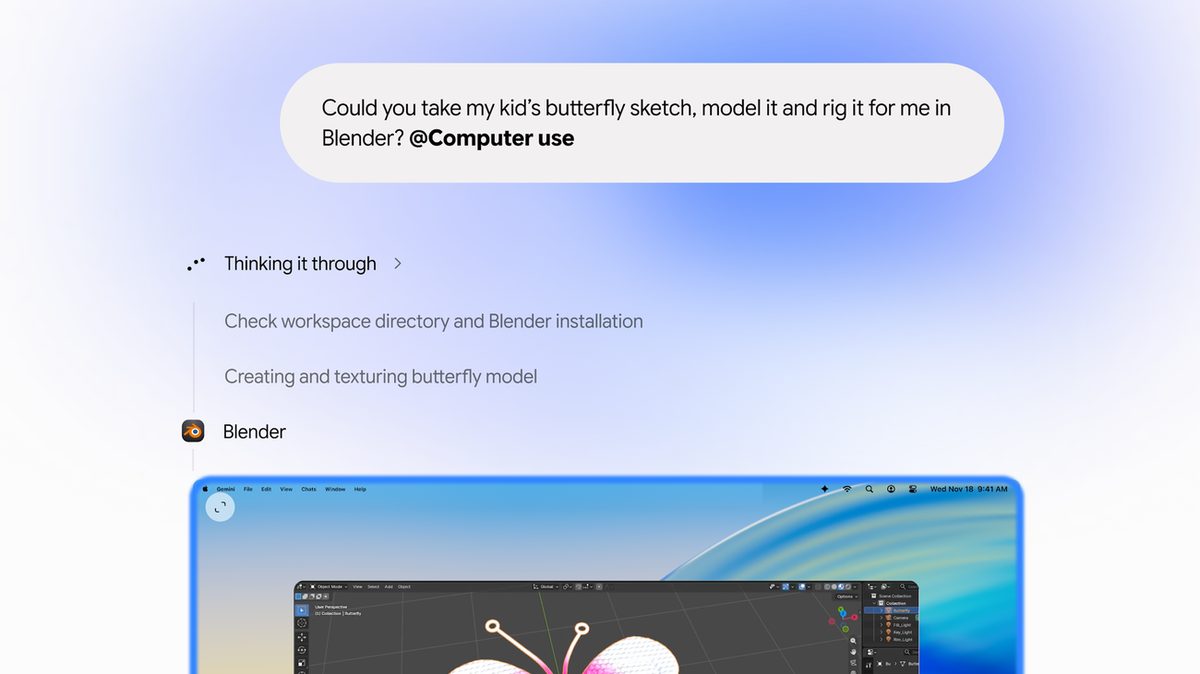
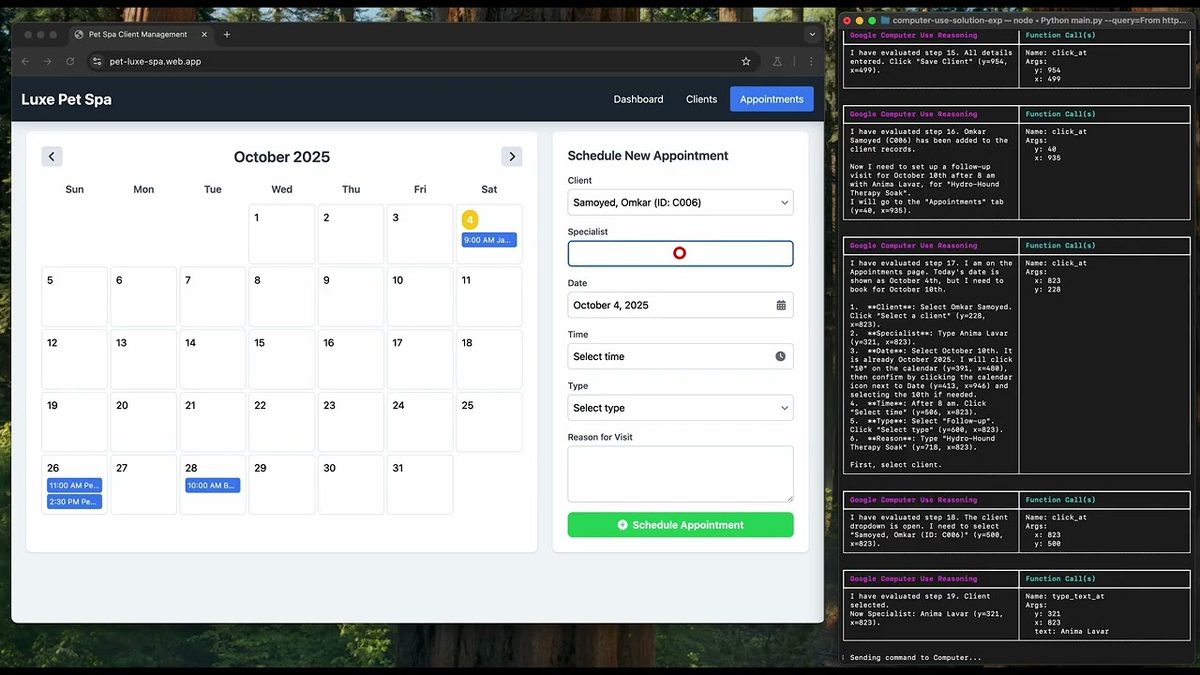
A document that executes steps on your behalf was the 1999 version of an app that clicks on your behalf. The fix was default-deny, which is what Apple's new permission prompts are reaching for.