

Pull to refresh
Logo
Google commits $15 billion to Malaysian data centres

Google commits $15 billion to Malaysian data centres

Built World

The company will pay for its own power and grid connections as Malaysia tightens energy and water rules for data centres

Overview

Updated 53 minutes ago

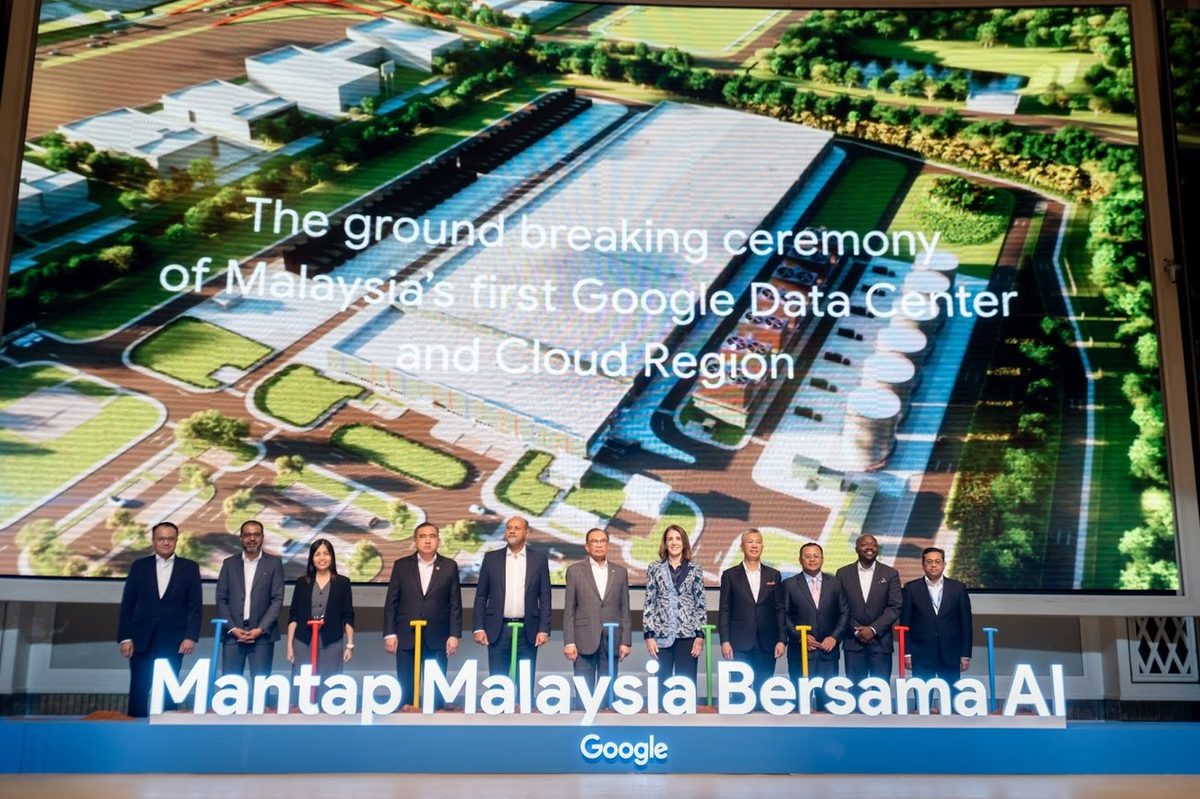
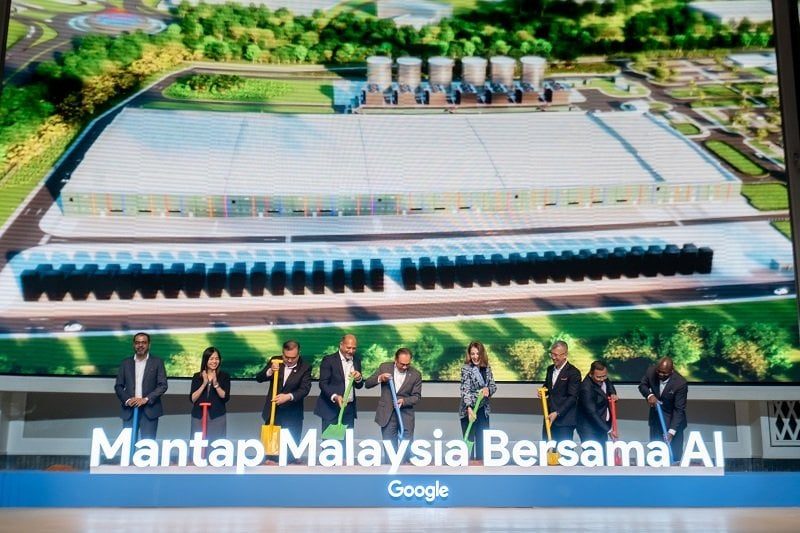
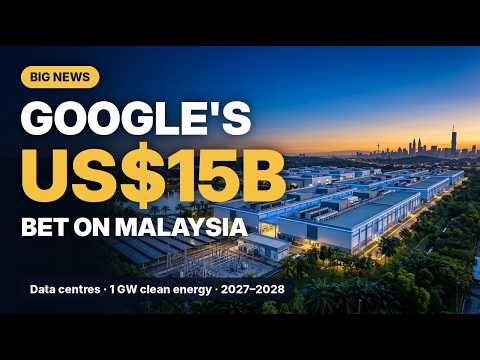
Google will spend US$15 billion building data centres in Malaysia in 2027 and 2028. The company said it will pay for 100% of the electricity its campuses use and for the direct cost of connecting them to the grid, and it will work with the state utility Tenaga Nasional Berhad to add more than 1 gigawatt of new clean energy capacity.

Malaysia wants the computing capacity without absorbing the cost. In October, ministers told parliament that data centre investors must fund their own transmission upgrades and source at least 30% of their energy from renewables. Google's announcement is the first large test of whether a country can host AI infrastructure on those terms.

Why it matters

Malaysia is trying to host AI data centres without paying for their power. If the model holds, other governments will copy it.

Questions about this story

Free account needed to ask — your question is kept and asked for you right after sign-up. Answers are public.

No questions yet — be the first to ask.

Key Indicators

$15B
Announced investment
Google's planned spending in Malaysia across 2027 and 2028.
1 GW+
New clean energy capacity
Capacity Google aims to add to Malaysia's national grid with Tenaga Nasional Berhad.
800,000
Malaysians to be upskilled
Target across four new training programs running 2027 to 2031.
37,000
Annual jobs during construction
Average yearly local jobs supported during the 2027-2028 build, about 6,000 in construction.
9,000+
Annual jobs once operating
Long-term roles at the campuses and in surrounding businesses, paying 45% above the national median.
1.12-1.14
Power usage effectiveness
Google's target efficiency ratio in tropical climates, against an industry average of 1.54.

Voices

Curated perspectives — historical figures and your fellow readers.

Sign up to generate historical perspectives on this story.

People Involved

Organizations Involved

Timeline

2011 November 2026

8 events Latest: Yesterday
Tap a bar to jump to that date
  1. Google announces US$15 billion Malaysia investment

    Latest Corporate

    Google commits to new campuses, 1 gigawatt of clean energy, and 800,000 people trained by 2031.

  2. Banks finance Princeton Digital Group's Johor campus

    Finance

    Six banks underwrite about US$1.3 billion in green financing for a 200 megawatt project.

  3. Google names Negeri Sembilan campus site

    Corporate

    The campus will sit at Springhill Industrial Park in Port Dickson.

  4. Government sets 30% renewable requirement

    Regulation

    Fadillah Yusof says data centres must source at least 30% of energy from renewables.

  5. Minister says data centres must fund grid upgrades

    Regulation

    Johari Abdul Ghani tells parliament operators will pay for reserved power whether or not they use it.

  6. Water regulator prioritises reclaimed water for cooling

    Regulation

    National Water Services Commission guidelines favour reclaimed water or air-cooled systems with zero discharge.

  7. Google announces initial Malaysian infrastructure investment

    Corporate

    The 2026 commitment expands on this earlier digital infrastructure plan.

  8. Google opens its first Malaysian office

    Corporate

    The company begins a 15-year local presence that precedes its data centre buildout.

Scenarios

1

Google's new Malaysian campuses open on schedule by 2028

Likely Resolves by Q2 2029

Discussed by: Google's own announcement and Malaysian government statements

Google says construction runs through 2027 and 2028 at sites in Selangor and Negeri Sembilan. If the build stays on plan, the company confirms both campuses operational and begins publishing quarterly efficiency figures for each. Delays in grid connections or water infrastructure would push the date.

2

Google and TNB contract the full 1 gigawatt of new clean energy by 2030

Possible Resolves by End of 2030

Discussed by: Energy analysts and Malaysian utility coverage

Google has not disclosed a timeline for the 1 gigawatt pledge, nor the power capacity of its own campuses. The test is whether contracts under the Corporate Renewable Energy Supply Scheme add up to 1 gigawatt of new generation, rather than reshuffling existing supply. Round-the-clock clean power projects would be the hardest part.

3

Water rules force Google to switch a Malaysian campus to air cooling

Unlikely Resolves by End of 2028

Discussed by: Water policy specialists and Malaysian regulators

Google chose water cooling after risk assessments found the Selangor and Negeri Sembilan watersheds were not at high risk of scarcity. It has not published those assessments. If a watershed is later reclassified or the government tightens reclaimed-water rules, a campus could be required to change its cooling design.

Historical Context

2 moments from history that rhyme with this story — and how they unfolded.

2019-2022

Singapore data centre moratorium (2019-2022)

Singapore stopped approving new data centres in 2019, citing the share of national electricity they consumed. The pause gave regulators time to write efficiency and sustainability conditions for new projects.

Then

Operators could not add capacity in Singapore and shifted builds to Johor and Batam.

Now

When the moratorium lifted in 2022, new projects had to meet higher efficiency and green-power standards.

Why this matters now

Malaysia is now writing similar conditions, and Google's willingness to accept them is the test of whether the approach attracts investment or pushes it elsewhere.

2021-2022

Ireland's data centre grid constraints (2021-2022)

Data centres in Ireland grew to consume nearly a fifth of the country's electricity. The grid operator began restricting new connections in the Dublin region because the local network could not absorb more demand.

Then

New data centre projects faced delays and connection refusals.

Now

Ireland became a cautionary case for countries courting data centre investment without planning for power supply.

Why this matters now

Malaysia's requirement that operators pay for their own grid connections is designed to avoid the Irish outcome, where existing users absorbed the cost of new demand.

Sources

(11)