

Pull to refresh
Logo
Google Maps adds AI trip planning and business-calling agents

Google Maps adds AI trip planning and business-calling agents

New Capabilities

Ask Maps expands to 30 European countries as Gemini takes over itineraries and appointment booking

Overview

Updated 38 minutes ago

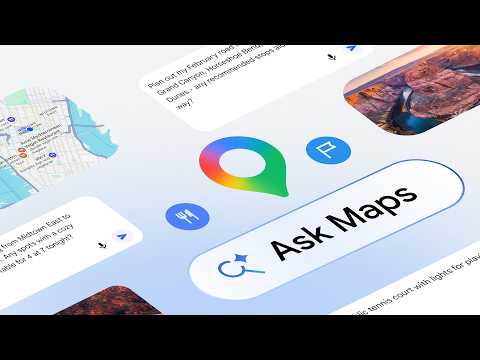
Google Maps can now plan a three-day road trip, flag where to park at each stop, and call a nail salon to book a 4 p.m. slot. Google added those features to Ask Maps, its Gemini-powered chat layer, on November 16.

The update moves the assistant from answering questions about places to acting on them. It also expands Ask Maps to more than 30 European countries, putting the feature in over 200 countries and territories.

Why it matters

If Google's agent books appointments and builds itineraries, it absorbs the planning steps that send people to travel sites and review apps.

Questions about this story

Free account needed to ask — your question is kept and asked for you right after sign-up. Answers are public.

No questions yet — be the first to ask.

Key Indicators

200+
Countries and territories with Ask Maps
Google says the feature is now available in more than 200 countries and territories.
30+
European countries added in November
The expansion includes Spain, Germany, and the United Kingdom.
300 million
Places Ask Maps draws on for itineraries
Google says trip planning analyzes information from over 300 million places.
500 million
Community contributors whose reviews feed tips
Insider tips come from Maps' contributor community.
5 million
Traffic updates Maps incorporates per second
Google cited the figure when it launched Ask Maps in March.

Voices

Curated perspectives — historical figures and your fellow readers.

Sign up to generate historical perspectives on this story.

People Involved

Organizations Involved

Timeline

March 2026 November 2026

3 events Latest: Today
  1. Ask Maps adds itineraries, route tips, and appointment booking

    Today Product update

    Google rolls out trip planning, 'know before you go' details, and AI calls to local businesses.

  2. Ask Maps expands to 30+ European countries

    Today Expansion

    The rollout includes Spain, Germany, and the United Kingdom, bringing Ask Maps to 200+ countries.

  3. Ask Maps launches in the US and India

    Product launch

    Google introduces a Gemini-powered chat layer in Maps for Android and iOS.

Scenarios

1

Ask Maps appointment booking reaches users outside the US

Likely Resolves by Q2 2027

Discussed by: Google's November 16 announcement, which said the feature would reach more regions 'soon'

Google launched appointment-finding only in the US, saying more regions would follow. The trigger is a country-by-country rollout, likely starting with English-speaking markets. Success depends on whether Google can get enough local businesses to accept AI-initiated calls.

2

European privacy regulators open an inquiry into Ask Maps' business calls

Possible Resolves by End of 2027

Discussed by: No regulator has commented; the scenario rests on the European Union's data protection framework

Ask Maps can call local businesses on a user's behalf, which involves processing business and user data. A national data protection authority or the European Commission could open a formal inquiry. The trigger would be a complaint or a review of how Google handles call data.

3

Apple or another rival ships comparable AI trip planning

Possible Resolves by End of 2027

Discussed by: No specific forecaster; the scenario tracks competitive response to Google's rollout

Google's advantage is its map data and Gemini models. Apple, Amazon, or Microsoft could add itinerary planning and appointment booking to their own assistants. The trigger is a product launch that matches both features.

Historical Context

3 moments from history that rhyme with this story — and how they unfolded.

February 2005

Google Maps launch (2005)

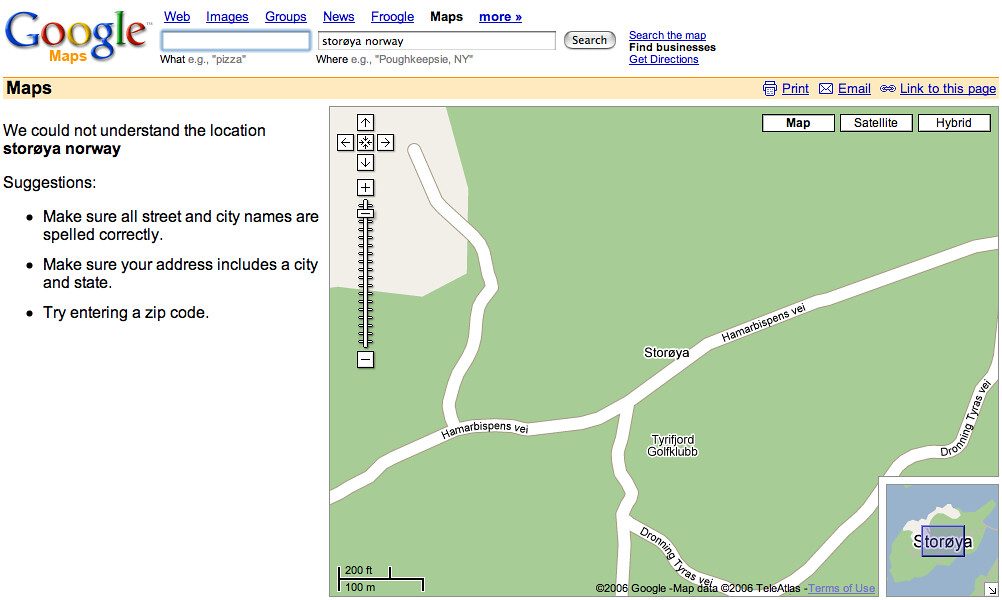
Google released Maps as a free web mapping service, combining street maps with local search and satellite imagery. It arrived when MapQuest dominated and paper atlases were still common.

Then

Users adopted it quickly for directions and local lookups.

Now

Maps became the default mapping layer for much of the web and a foundation for Google's local advertising.

Why this matters now

The November update is the latest step in Maps' shift from static reference to an assistant that acts.

2010-2011

Google Flights (2011)

Google bought travel software company ITA Software in 2010, then launched Google Flights in 2011. The deal drew antitrust review because ITA powered competing travel sites.

Then

Google Flights gave users a fast way to compare fares.

Now

It made Google a direct player in travel planning, shaping how airlines and online travel agencies reach customers.

Why this matters now

Ask Maps' itinerary feature pushes Google further into planning, the same territory travel sites occupy.

October 2011

Siri launch (2011)

Apple introduced Siri as a voice assistant on the iPhone 4S, promising conversational help with everyday tasks. Early demos set expectations high.

Then

Users found it useful for simple commands but limited for complex planning.

Now

Voice assistants became standard on phones, but the gap between demo and daily use shaped how people judged later AI assistants.

Why this matters now

Ask Maps faces the same test: whether an AI assistant can reliably handle real plans, not just demo them.

Sources

(8)