
Pull to refresh
Logo
Google Play opens to private AI-built apps without developer accounts

Google Play opens to private AI-built apps without developer accounts

New Capabilities

Users 18 and older can now run vibe-coded Android apps on their own devices through a private Play Store space

Yesterday: Google Play opens to private AI-built apps

Overview

Updated 2 hours ago

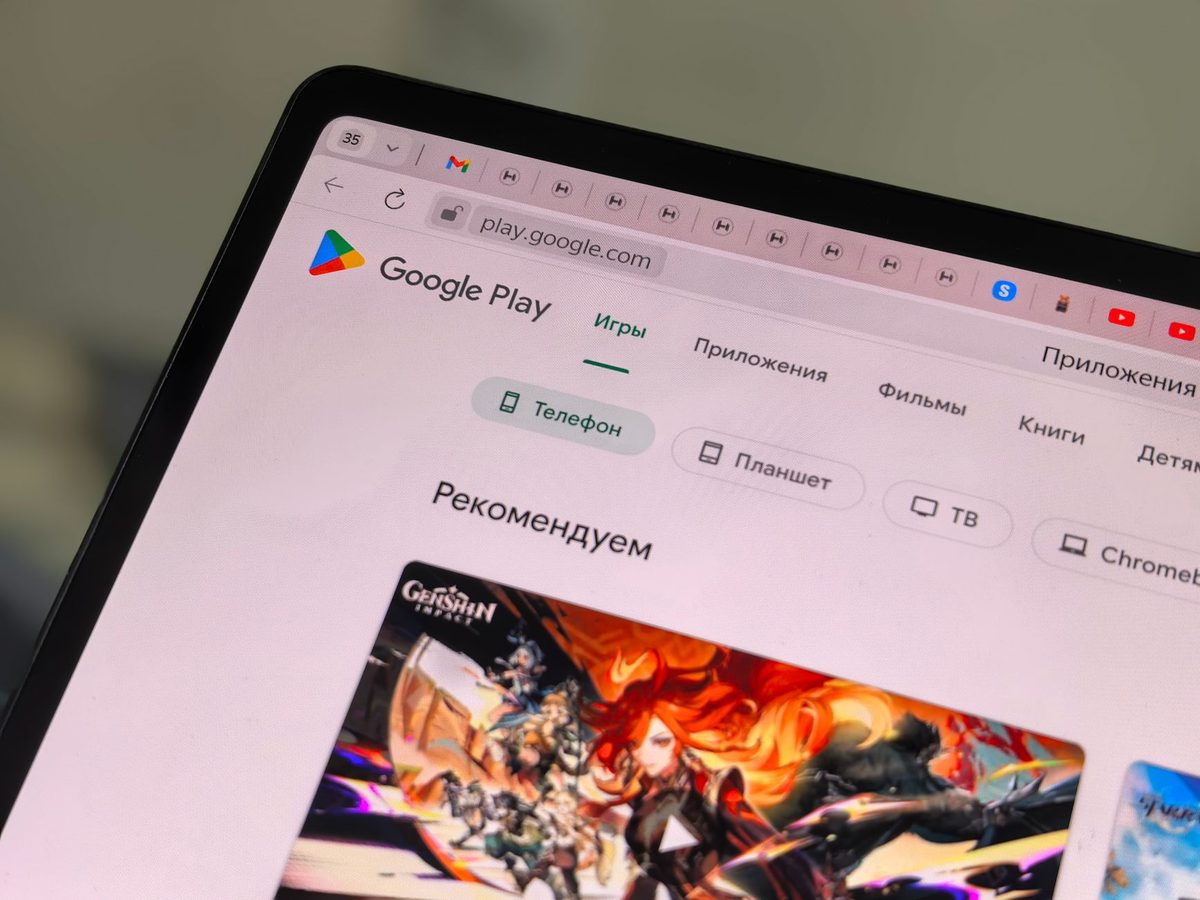
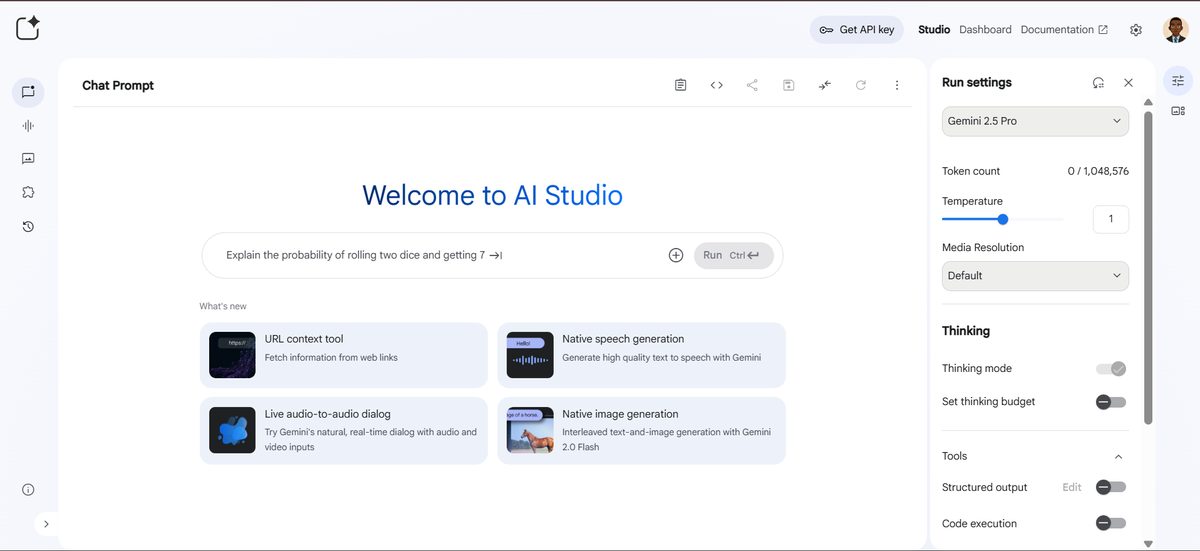
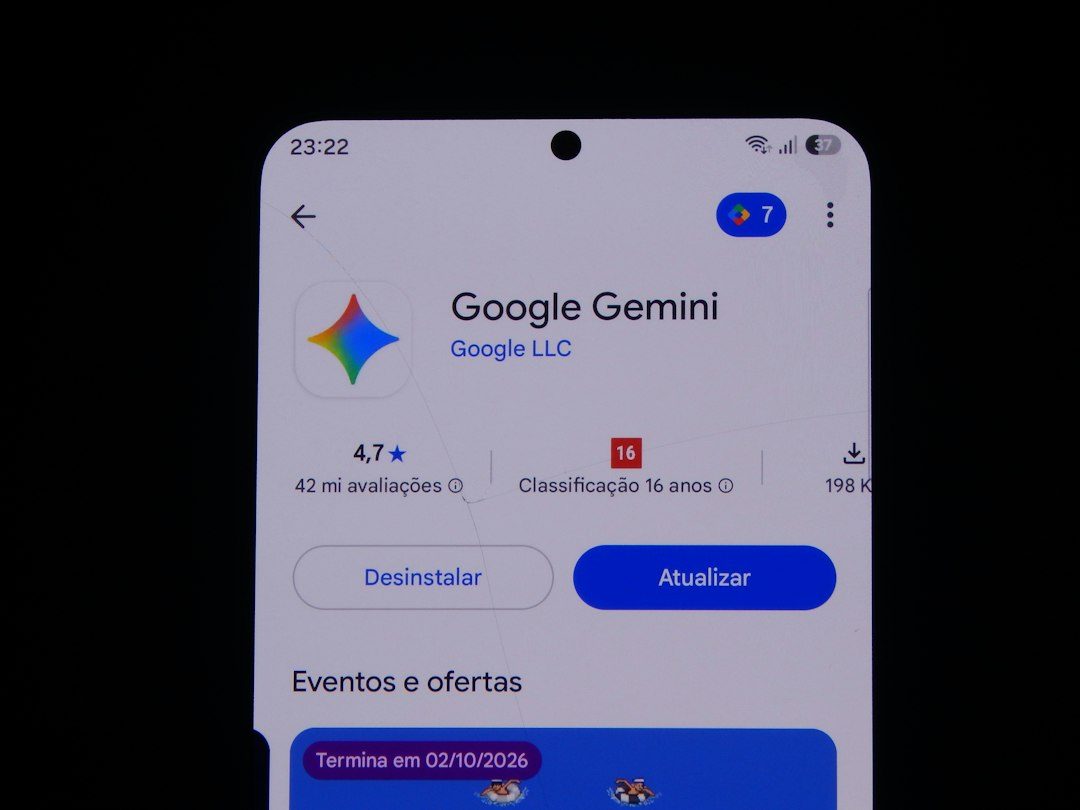
Google now lets anyone with a standard account run AI-built Android apps on their own phone through a private space in Google Play. The feature, announced October 13, removes the $25 developer account fee and public review process for personal apps created in Google AI Studio.

The change targets "vibe coders," people who describe an app in natural language and let AI generate the code. Previously, running such an app on Android meant publishing to the public Play Store, which reaches roughly 3 billion users. Now personal apps stay private, separate from the public catalog.

Why it matters

Anyone with a Google account can now run AI-built Android apps on their own phone, no developer account or public review required.

Questions about this story

Free account needed to ask — your question is kept and asked for you right after sign-up. Answers are public.

No questions yet — be the first to ask.

Key Indicators

$25
Developer account fee removed
Google previously charged a one-time $25 fee for developer accounts, no longer required for personal apps.
18+
Minimum age
The feature is available to users 18 and older in the US and select markets.
3 billion
Play Store users
The public Play Store reaches roughly 3 billion users, but personal apps stay separate from this catalog.
56%
AI code security pass rate
Veracode found AI-generated code passed security tests 56% of the time on raw models without guardrails.

Voices

Curated perspectives — historical figures and your fellow readers.

Ever wondered what historical figures would say about today's headlines?

Sign up to generate historical perspectives on this story.

People Involved

Organizations Involved

Timeline

May 2026 October 2026

2 events Latest: Yesterday
  1. Google Play opens to private AI-built apps

    Latest Product launch

    Users 18 and older in the US and select markets can run personal AI-built apps on their own devices through a private Play Store space, no developer account required.

  2. Google launches vibe-coding for personal Android apps

    Product launch

    Google AI Studio adds the ability to create personal Android apps through natural language prompts.

Scenarios

1

Google expands personal app sharing to friends and family

Likely Resolves by Q2 2027

Discussed by: Google's announcement, TechCrunch

Google has said sharing with a "small group" of trusted contacts is coming in the coming months. This would let users distribute their vibe-coded apps without a developer account. Google has not specified how many people count as a small group.

2

Private-to-public migration launches with standard review

Likely Resolves by Q2 2027

Discussed by: Google's announcement, Ars Technica

Google plans an onboarding process for users who want to publish their personal apps publicly. These would go through the same Trust & Safety reviews as professional developers. Google says this option will be available in the coming months.

3

Security issues emerge with AI-generated personal apps

Possible Resolves by End of 2027

Discussed by: The Next Web, citing Veracode data

Veracode found AI-generated code passed security tests 56% of the time on raw models without guardrails. Personal apps are not reviewed by Google. Google says AI Studio includes built-in security checks, but the risk of vulnerabilities in unreviewed apps remains.

4

EU regulators scrutinize Google's AI app distribution

Possible Resolves by End of 2027

Discussed by: The Next Web

The European Commission issued binding measures in July 2026 requiring Google to give rival AI assistants the same Android access as Gemini. The new personal app feature could face similar scrutiny, especially since it is not available in Europe initially.

Historical Context

2 moments from history that rhyme with this story — and how they unfolded.

July 2008

Apple's App Store launch (2008)

Apple opened the App Store with 500 apps. Anyone with a $99 per year developer account could publish software for the iPhone, creating a new distribution model for mobile software.

Then

The store grew to thousands of apps within months, sparking a mobile software gold rush.

Now

The App Store became the template for mobile app distribution, with Google's Play Store following the same model.

Why this matters now

Shows how lowering publishing barriers can transform an ecosystem. Google's move removes the $25 developer fee for personal apps, a similar barrier-lowering step.

2010s

The no-code movement (2010s)

Platforms like WordPress, Wix, and Bubble let non-programmers build websites and software without writing code. This expanded who could create digital products.

Then

Millions of non-developers built websites and simple applications.

Now

Established the idea that software creation need not require programming skills, paving the way for AI-assisted development.

Why this matters now

Vibe-coding is the AI-era extension of no-code tools. Google's move brings this capability to native Android apps.

Sources

(6)